The Best Age for Invisalign Treatment
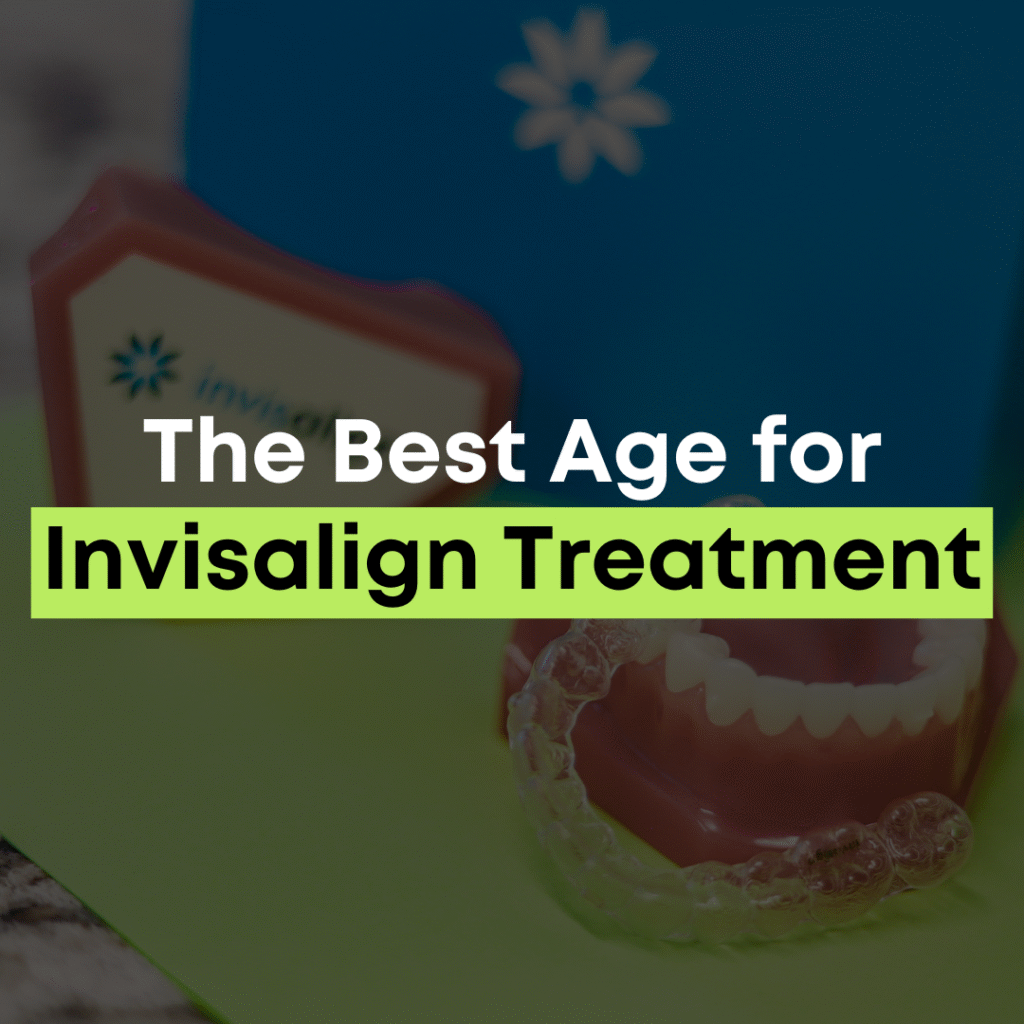
The Best Age for Invisalign Treatment A straight, confident smile is something people of all ages desire, and Invisalign treatment has become one of the most popular solutions for achieving it. Unlike traditional braces, Invisalign aligners are clear, removable, and comfortable, making them a great choice for a variety of patients. But when is the best age for Invisalign treatment? At Modern Dental of Durham, we’re here to help you determine the ideal time to begin your smile transformation. Invisalign for Teens (Ages 12-18) For many patients, the teen years are the perfect time to start Invisalign treatment. By this age, most or all of the permanent teeth have erupted, and the jaw is still growing, making it easier to guide teeth into their ideal positions. Benefits of Invisalign for teens include: ✔ Discreet Treatment – Clear aligners are nearly invisible, boosting confidence during school and social activities. ✔ Removable Convenience – Teens can take out aligners to eat, brush, and floss, promoting better oral hygiene. ✔ Effective for Mild to Moderate Issues – Invisalign can correct gaps, crowding, and bite issues effectively. Invisalign Treatment for Young Adults (Ages 18-30) Many young adults choose Invisalign to achieve a perfect smile while maintaining a professional appearance. This age group benefits from: ✔ Increased Responsibility – Young adults are more likely to wear aligners as directed. ✔ Flexibility – No dietary restrictions like with metal braces. ✔ Confidence Boost – A straighter smile can enhance self-esteem in personal and professional settings. Invisalign Treatment for Adults (30+) It’s never too late for a smile transformation! Many adults seek Invisalign Treatment for a variety of reasons, including: ✔ Improving Smile Aesthetics – Straight teeth contribute to a more youthful look. ✔ Correcting Shifting Teeth – Teeth can shift with age, and Invisalign helps realign them. ✔ Better Oral Health – Properly aligned teeth are easier to clean, reducing the risk of cavities and gum disease. When Should You Start Invisalign Treatment? The best age for Invisalign depends on individual needs, dental health, and lifestyle, however the younger the better! But regardless of age, Modern Dental of Durham will assess your teeth and create a customized Invisalign plan to fit your smile goals. Ready to Begin Your Invisalign Journey? If you’re considering Invisalign, schedule a consultation with Modern Dental of Durham today! We’ll help you achieve a healthier, straighter smile, at any age. 📞 Call us at 919-5443723 or visit https://www.moderndentalofdurham.com/request-an-appointment
Restore Your Smile with Dental Implants
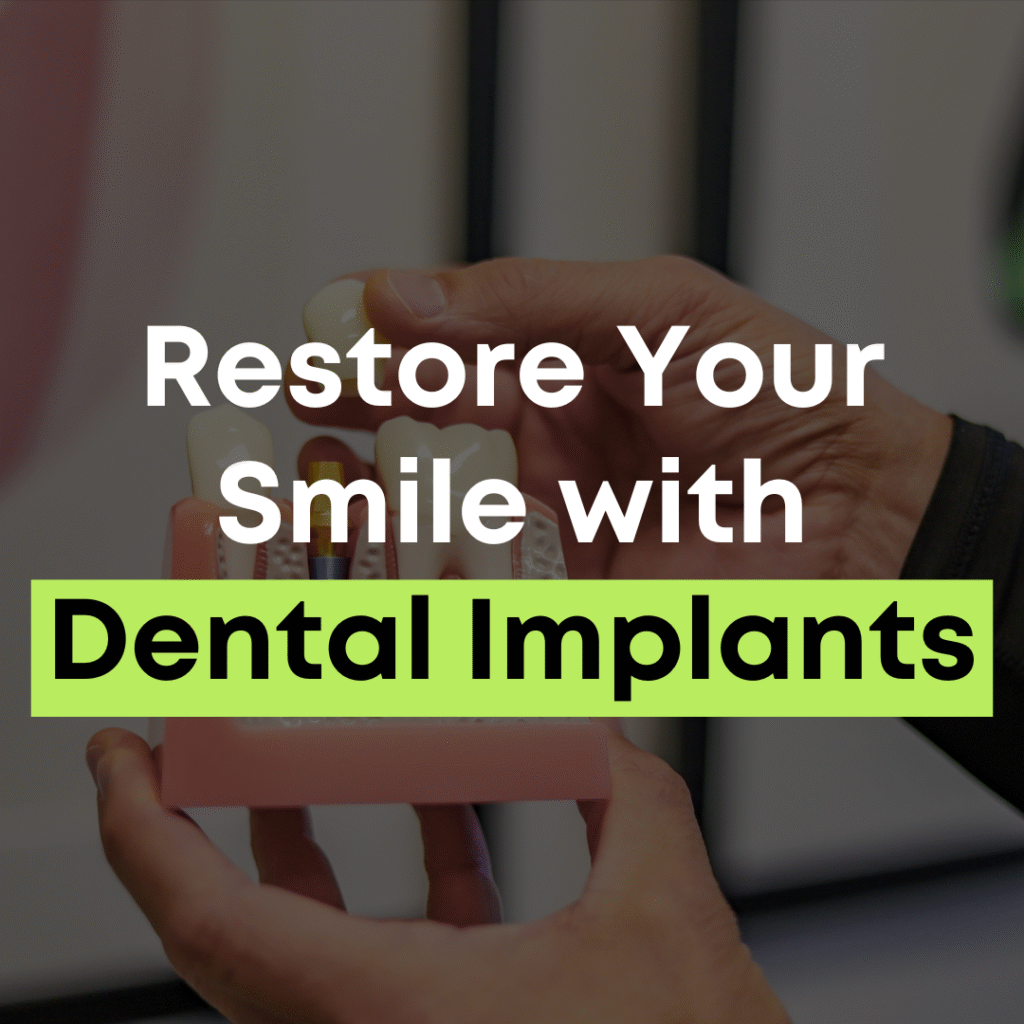
Restore Your Smile with Dental Implants Want to restore your smile? A healthy, beautiful smile is essential for confidence and overall well-being. If you’re missing one or more teeth, dental implants offer a permanent, natural-looking solution. At Modern Dental of Durham, we specialize in restoring smiles with high-quality dental implants that look, feel, and function like real teeth. What Are Dental Implants? Dental implants are artificial tooth roots made of biocompatible titanium, surgically placed into the jawbone to support a replacement tooth or bridge. Over time, the implant fuses with the bone, creating a strong and durable foundation for a crown, bridge, or denture. Benefits of Using Dental Implants to Restore Your Smile ✔ Natural Appearance – Implants mimic the look and feel of natural teeth. ✔ Durability – With proper care, implants can last a lifetime. ✔ Improved Oral Health – Unlike dentures, implants help preserve jawbone density and prevent bone loss. ✔ Better Functionality – Enjoy eating, speaking, and smiling with confidence. ✔ Convenience – No need for adhesives or nightly removal like traditional dentures. The Dental Implant Process Consultation & Evaluation – Our dental experts will assess your oral health and determine if implants are the right choice for you. Implant Placement – A small titanium post is surgically inserted into the jawbone. Healing & Osseointegration – Over a few months, the implant bonds with the bone. Crown Placement – A custom-made crown is attached to restore your smile’s appearance and function. Who Is a Good Candidate for Dental Implants? Most healthy adults with sufficient jawbone density and good oral hygiene are candidates for dental implants. If bone loss has occurred, a bone graft may be recommended to create a stable foundation for the implant. Why Choose Modern Dental of Durham to Restore Your Smile? At Modern Dental of Durham, we use the latest technology and advanced techniques to ensure precise placement, comfort, and long-lasting results. Our experienced team is dedicated to personalized care, helping you achieve the smile you deserve. Schedule Your Consultation and Restore Your Smile Today! Don’t let missing teeth hold you back. Schedule a consultation with Modern Dental of Durham today and take the first step toward a restored, confident smile. 📞 Call us at 919-544-3723 or visit https://www.moderndentalofdurham.com/dental-implants to learn more.
Crowns, Fillings, Bridges, and Implants
Types of Dental Treatments When it comes to dental treatments, the terminology can get confusing fast. You may have heard your dentist mention crowns, fillings, bridges, or implants, but what do all these actually mean, and how do you know which one is right for your situation? At Modern Dental of Durham, we believe in helping our patients make informed decisions about their oral health. Below is a simple breakdown of these four common dental treatments, what they’re used for, and how they differ. 1. Fillings: The First Line of Defense Best for: Small to moderate cavities or tooth decay. What they are: A filling is used to restore a tooth that has been damaged by decay. Your dentist will remove the decayed portion and “fill” the space with a material like composite resin (tooth-colored), amalgam (silver), or another dental-safe substance. Why you might need one:If you have a cavity that’s not too deep, a filling is usually the simplest and least invasive solution. 2. Crowns: Protection for Weakened Teeth Best for: Severely decayed, cracked, or weakened teeth. What they are:A dental crown is a tooth-shaped “cap” that covers the entire visible surface of a damaged tooth. Crowns restore shape, strength, and appearance, and are made from materials like porcelain, ceramic, or metal. Why you might need one:If a tooth is too damaged for a filling to hold, or after a root canal, a crown provides long-term protection and function. 3. Bridges: Replacing Missing Teeth Best for: One or more missing teeth in a row. What they are:A dental bridge is a fixed appliance that literally “bridges” the gap created by missing teeth. It uses crowns on the adjacent teeth (called abutment teeth) to hold a false tooth (or teeth) in place. Why you might need one:Bridges are a great solution when you’re missing a tooth but aren’t ready for or don’t qualify for an implant. 4. Implants: The Gold Standard for Tooth Replacement Best for: Permanent replacement of missing teeth. What they are:Dental implants are titanium posts surgically placed into the jawbone, acting like artificial tooth roots. Once healed, they are topped with a crown, creating a fully functional and natural-looking tooth. Why you might need one:Implants are durable, long-lasting, and feel most like real teeth. They also help prevent bone loss that can occur when teeth are missing for long periods. How to Know What Dental Treatments Are Right for You? Each option comes with unique benefits, and the right choice depends on your specific dental needs, overall oral health, and personal preferences. At Modern Dental of Durham, we take the time to walk you through every option and recommend the best path to restore your smile with comfort and confidence. Ready to Take the Next Step with Dental Treatments? If you think you might need a filling, crown, bridge, or implant, or any other type of dental treatments, we’re here to help. Request an appointment today and let’s get started on your journey to a healthier, happier smile.
The Truth About Cavities
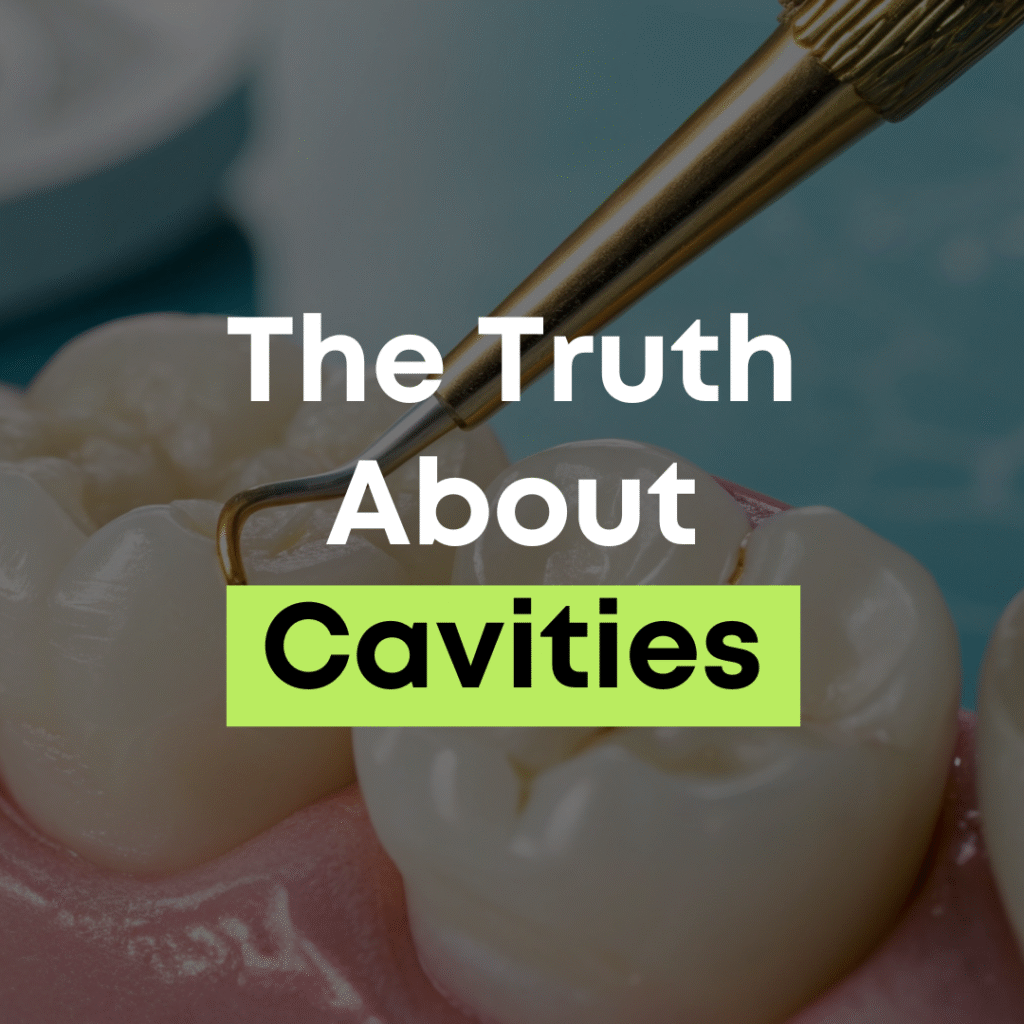
The Truth About Cavities: Causes, Myths & Prevention Tips Cavities. They’re one of the most common dental problems, yet also one of the most misunderstood. You may think cavities only come from eating too much candy or that you’ll always feel them if they’re forming. The truth is, cavities can be sneaky, preventable, and even reversible in their early stages, if you know the facts. At Modern Dental of Durham, we believe education is just as important as treatment. Let’s clear up some myths and give you practical tips to help keep your smile cavity-free. What are Cavities? A cavity is a hole or area of decay that forms in your tooth when plaque (a sticky film of bacteria) isn’t properly removed. The bacteria feed on sugars from your food and drinks, producing acids that wear away the tooth enamel. Over time, this leads to decay and eventually a cavity. If untreated, a cavity can grow larger, cause pain, and even lead to infection or tooth loss. Common Myths MYTH 1: Only Sugar Causes Cavities While sugar definitely contributes, it’s not the only culprit. Starchy foods (like chips or bread) also break down into sugars and feed bacteria. MYTH 2: You’ll Always Feel a Cavity Not true. Many cavities start painlessly. By the time you feel sensitivity or pain, the decay has likely reached deeper layers of your tooth. MYTH 3: Kids Get More Cavities Than Adults While children are certainly at risk, adults often develop cavities too, especially around old fillings, receding gums, or if dry mouth is an issue. MYTH 4: Brushing Alone Will Prevent Cavities Brushing helps, but it’s not enough. Flossing, limiting snacking, and regular dental cleanings are essential for full cavity prevention. Proven Ways to Prevent Cavities 1. Brush & Floss Consistently Brush twice a day with fluoride toothpaste and floss at least once daily. Don’t forget to clean along the gumline and between teeth where your brush can’t reach. 2. Drink Plenty of Water Water helps rinse away food particles and keeps saliva levels up. Saliva is your mouth’s natural defense against cavity-causing bacteria. 3. Limit Sugary Snacks & Drinks Sipping soda or snacking all day feeds cavity-causing bacteria. Try to eat at set times and choose tooth-friendly snacks like cheese, nuts, or fresh vegetables. 4. Use Fluoride Products Fluoride strengthens tooth enamel and helps reverse early signs of decay. Ask your dentist about fluoride rinses or in-office treatments if you’re at high risk. 5. Get Regular Dental Checkups Cavities caught early are easier and cheaper to treat. At Modern Dental of Durham, we use digital X-rays and thorough exams to detect even the smallest signs of trouble. Don’t Wait for the Pain Whether you’re due for a checkup or just want to improve your oral care routine, we’re here to help you stay ahead of cavities and keep your smile strong for life. Request an appointment today with Modern Dental of Durham, and take the next step toward a healthier, cavity-free smile.
What is Gum Disease?
What Is Gum Disease? Symptoms, Causes, Treatment & Prevention Gum disease, also known as periodontal disease, is one of the most common dental health issues among adults. Despite being widespread, it’s also highly preventable and treatable, especially when detected early. If you’ve noticed bleeding gums, persistent bad breath, or gum recession, you may be experiencing signs of periodontal disease. Here’s what you need to know to protect your smile. Image by: fightgumdisease.com What Is Gum Disease? Gum disease is an infection of the tissues surrounding and supporting your teeth. It starts as gingivitis, mild inflammation of the gums, and can progress to periodontitis, a more severe form that can lead to tooth loss if left untreated. What Causes Gum Disease? Periodontal disease is primarily caused by plaque, a sticky film of bacteria that forms on your teeth. When plaque is not removed through daily brushing and flossing, it hardens into tartar, leading to irritation and infection of the gums. Other common causes and risk factors include: Poor oral hygiene habits Smoking or tobacco use Hormonal changes (pregnancy, menopause) Certain illnesses (such as diabetes or cancer) Medications that reduce saliva flow Genetics Symptoms of Gum Disease Early detection is key. If you notice any of the following symptoms, it’s time to schedule a dental check-up: Red, swollen, or tender gums Bleeding when brushing or flossing Persistent bad breath (halitosis) Receding gums Loose or shifting teeth Pain when chewing A change in your bite or the way your teeth fit together How Is Gum Disease Treated? Treatment depends on the stage of the disease. The earlier it’s caught, the easier it is to treat. Common gum disease treatments include: Professional dental cleanings – Remove plaque and tartar buildup Scaling and root planing – A deep cleaning procedure that cleans below the gumline Antibiotic therapy – Topical or oral antibiotics to eliminate bacteria Surgical treatments – For advanced cases, procedures like flap surgery or bone grafts may be necessary Learn more about treatment options from the American Dental Association. How to Prevent Gum Disease The best way to fight periodontal disease is to stop it before it starts. Here’s how: Brush your teeth twice a day with fluoride toothpaste Floss daily to remove plaque between teeth Use an antibacterial mouthwash Avoid smoking and tobacco products Eat a healthy diet low in sugar Visit your dentist twice a year for professional cleanings and checkups For more prevention tips, check out this helpful guide from the Centers for Disease Control and Prevention (CDC). Don’t Ignore the Signs. Protect Your Smile Today At Modern Dental of Durham, we’re here to help you maintain a healthy, confident smile. If you’re experiencing symptoms of periodontal disease or just want to stay ahead of your oral health, don’t wait. 📞 Call us today at 919-544-3723 💻 Or request an appointment online at moderndentalofdurham.com/request-an-appointment
Common Causes of Tooth Pain
Why Does My Tooth Hurt? Common Causes of Tooth Pain and What to Do Tooth pain can stop you in your tracks. Whether it’s a dull ache, sharp jolt, or constant throbbing, tooth pain is your body’s way of telling you something’s wrong. Understanding the cause of your discomfort is the first step toward relief, and Modern Dental of Durham is here to help. In this post, we’ll explore the most common reasons your tooth might hurt, how to treat it, and when to call your dentist. Tooth Pain: Common Causes Not all toothaches are the same, and the cause can range from mild sensitivity to serious infection. Here are the most frequent culprits: 1. Tooth Decay (Cavities) Caused by plaque and bacteria breaking down enamel Pain usually increases with exposure to hot, cold, or sweet foods Can worsen if left untreated 2. Gum Disease (Gingivitis or Periodontitis) Inflammation or infection of the gums can cause aching teeth Often accompanied by bleeding, swelling, or receding gums May lead to bone and tooth loss if untreated 👉 Learn more about gum disease symptoms and treatment here 3. Tooth Abscess (Infection) A severe, throbbing pain caused by an untreated cavity or gum infection May come with swelling, fever, or a bad taste in the mouth Requires immediate dental care 4. Tooth Sensitivity Caused by worn enamel, exposed roots, or whitening products Pain triggered by hot, cold, sweet, or acidic foods and drinks Often treated with special toothpaste or fluoride treatments 5. Cracked or Fractured Tooth Pain when chewing or biting May be hard to spot without X-rays Can lead to further damage if not treated promptly 6. Impacted Wisdom Teeth Pain or pressure at the back of the jaw Swelling, redness, or difficulty opening the mouth Common in teens and young adults 7. Teeth Grinding (Bruxism) Can cause jaw soreness, headaches, and worn teeth Often occurs during sleep or stressful periods A mouthguard or stress management may help 8. Sinus Infection Sometimes sinus pressure can mimic tooth pain in the upper back teeth Often accompanied by nasal congestion or pressure around the eyes 9. Damaged Fillings or Dental Work Older or loose fillings/crowns can expose sensitive tooth structures Can cause sharp or throbbing pain with temperature changes When to See a Dentist Tooth pain that lasts more than a day or two, worsens over time, or comes with swelling or fever should never be ignored. 👉 According to the American Dental Association, timely dental care can prevent more serious complications and save your tooth. How Modern Dental of Durham Can Help Our compassionate team will perform a thorough evaluation to find the root cause of your tooth pain and recommend the best course of treatment. Whether you need a simple filling, root canal, or gum treatment, we’ll get you smiling again, pain-free. Tooth Pain: Don’t Wait, Get Relief Today If you’re dealing with tooth pain, don’t tough it out. Early treatment can prevent bigger problems (and bigger bills) later. 📞 Call Modern Dental of Durham at 919-544-3723 or request an appointment online at moderndentalofdurham.com/request-an-appointment
Can Your Gut Health Affect Your Smile?

Can Your Gut Health Affect Your Teeth? When you think about dental care, brushing and flossing might be the first things that come to mind. But did you know that your gut health could directly impact your teeth and gums? At Modern Dental of Durham, we take a holistic approach because oral health isn’t just about your mouth; it’s connected to your entire body. Let’s explore how your gut microbiome and dental health are more closely related than you might think, and what you can do to protect both. What Is Holistic Dental Health? Holistic dentistry focuses on the connection between your oral health and your overall well-being. Rather than treating isolated symptoms, we look at underlying causes, including lifestyle, nutrition, and gut health, to help you achieve lasting wellness. How Gut Health Affects Your Oral Health Your body is home to trillions of microorganisms, many of which live in your gut and your mouth. This ecosystem is called the microbiome, and it plays a vital role in regulating inflammation, supporting immunity, and even maintaining healthy teeth and gums. When your gut microbiome becomes unbalanced (a condition called dysbiosis), it can trigger inflammation throughout the body, including your mouth. Research shows that poor gut health is linked to: Gum disease (periodontitis) Tooth decay and cavities Bad breath (halitosis) Increased risk of infections Slower healing from dental procedures BONUS: What the Science Says About Oral and Gut Health Recent studies support the connection between gut health and oral health: A 2021 study in Frontiers in Cellular and Infection Microbiology found that an unhealthy gut microbiome can worsen gum disease and lead to more cavities. A 2023 review in the Journal of Oral Microbiology emphasized how oral and gut microbiota interact, affecting both inflammation and immunity. Other studies show that probiotics can reduce plaque, improve gum health, and restore microbial balance in the mouth. This growing body of research reinforces the value of taking care of your gut as part of a whole-body dental care strategy. How to Support Your Gut Health and Your Smile Looking to improve both gut and oral health? Here are some simple, science-backed tips: Eat whole, high-fiber foods (like vegetables, legumes, and whole grains) Avoid excess sugar and processed foods, which fuel harmful bacteria Include probiotics (such as yogurt, kefir, kimchi, or supplements) Drink plenty of water to support saliva and microbial balance Reduce stress, which impacts your microbiome and immune system Visit your dentist regularly for cleanings, checkups, and prevention Why Choose Holistic Dentistry in Durham? At Modern Dental of Durham, we go beyond the basics. Our team considers the full picture of your health, from gut issues to immune function, to help you get better results and feel your best. Whether you’re experiencing chronic gum issues, frequent cavities, or just want a more wellness-focused approach to dental care, we’re here to support you with personalized, whole-body solutions. Your Next Step to a Healthier Smile Your gut and your gums are more connected than you may realize—and caring for both can help you feel better from the inside out. Schedule your holistic dental consultation at Modern Dental of Durham today. Let’s work together to create a customized plan for lasting oral and whole-body health
How AI Is Transforming Dentistry
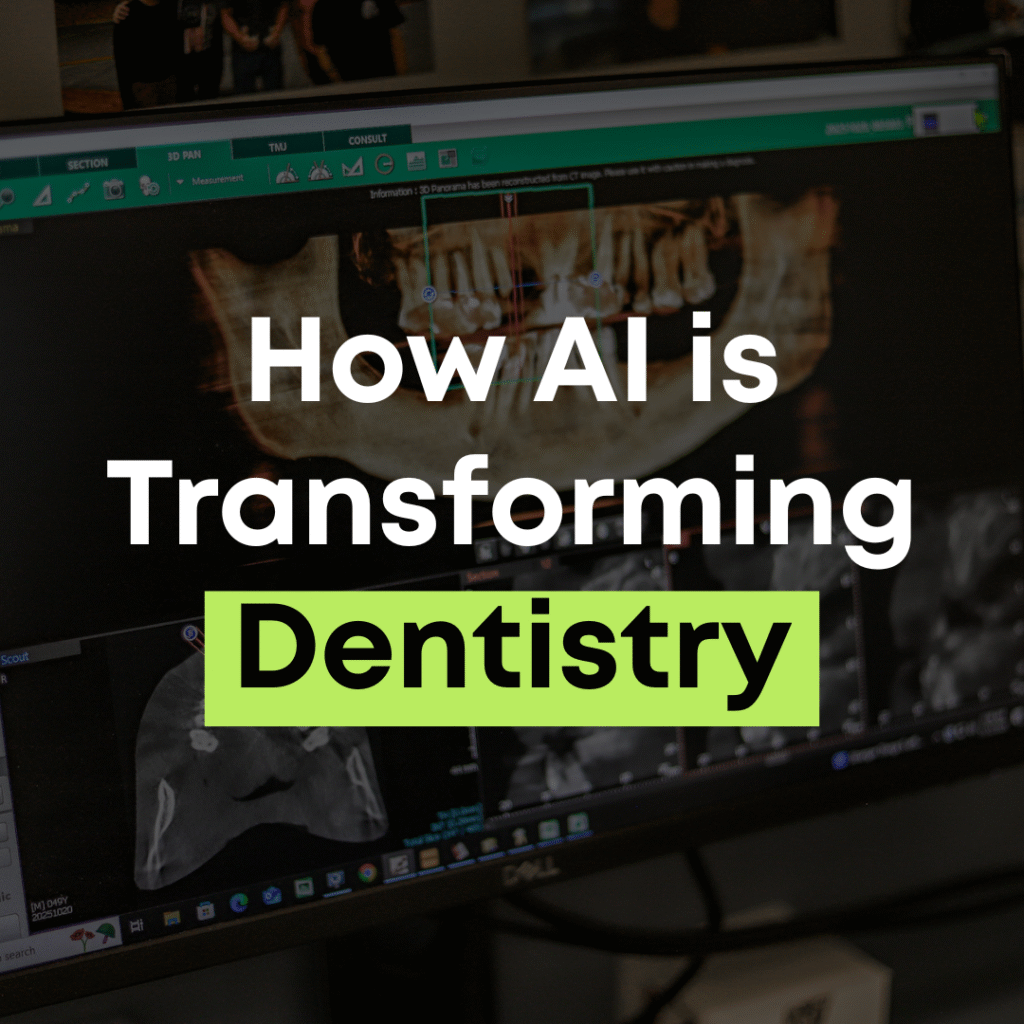
How AI Is Transforming Dentistry If you’re living in the Research Triangle Park (RTP) area, you’ve likely noticed that technology is shaping everything, from how we shop to how we manage our health. But did you know it’s also revolutionizing the way we care for our smiles in the way of AI dentistry? At Modern Dental of Durham, we believe that the future of dentistry is here, and it’s transforming both how your smile looks and how well it functions. Using advanced tools like AI-assisted diagnostics and 3D imaging, we offer restorative and cosmetic treatments that are faster, more precise, and more comfortable than ever before. The Intersection of Technology & Personalized Care AI (Artificial Intelligence) in dentistry isn’t just about futuristic gadgets. It’s about enhancing human expertise to give you the best results possible. Here’s how: Smarter Diagnoses: AI-powered imaging tools help detect cavities, gum disease, and bone loss earlier than the human eye alone, meaning we can treat problems before they become painful or costly. Precision Treatment Plans: With AI, we tailor your care based on exact digital scans and data, ensuring that crowns, fillings, or dentures fit perfectly the first time. Predictable Cosmetic Outcomes: Want to see what your new smile will look like before committing? AI technology allows for digital mock-ups of veneers, whitening, and orthodontic work, so you can smile with confidence. From Fillings to Full Restorations, We’ve Got You Covered Whether you’re a student at Duke, a working professional in RTP, or a retiree enjoying Durham life, your smile matters. We offer a full spectrum of dental solutions: Tooth-colored Fillings Dental Crowns & Bridges Full & Partial Dentures Porcelain Veneers Professional Whitening Implants & More And we don’t just focus on aesthetics; our restorative treatments prioritize long-term functionality and oral health. What the Science Says About AI Dentistry Recent studies show that AI-assisted diagnostics can detect dental conditions with greater accuracy and consistency than traditional methods. In fact, a 2023 report published in the Journal of Dental Research found that AI increased early cavity detection by 20%, allowing for less invasive and more affordable treatment options. At Modern Dental of Durham, we combine these innovations with compassionate, patient-focused care. Every visit is about you, your concerns, your goals, and your comfort. What Our Patients Are Saying About AI Dentistry “I was nervous about getting my first crown, but the team at Modern Dental made it easy. They showed me a 3D image of what was happening, and the entire process was fast, gentle, and honestly kind of cool! My smile has never looked better.” – Lauren B., Durham Resident A Smile Designed for Today…and Tomorrow Whether you’re looking to enhance your appearance, restore your oral health, or simply stay on top of your care, Modern Dental of Durham is your go-to practice for dental excellence in North Carolina. We’re proud to be a trusted choice for families and individuals in RTP and beyond.
What’s in Your Toothpaste? Natural vs. Fluoride
What’s in Your Toothpaste? Natural vs. Fluoride Toothpaste Overwhelmed by all the toothpaste options out there? From “all-natural” pastes with coconut oil and charcoal to fluoride toothpaste promising cavity protection, it’s hard to know what’s actually best for your smile. The Rise of Natural Toothpastes With growing interest in clean living and chemical-free products, natural toothpaste brands have surged in popularity. These formulas often boast ingredients like: Baking soda Essential oils (peppermint, tea tree) Activated charcoal Coconut oil Xylitol (a natural sweetener that may reduce cavity-causing bacteria) Pros: Gentle on sensitive mouths Fewer synthetic ingredients Eco-friendly packaging in many cases Cons: Often lack fluoride Some abrasive ingredients (like charcoal) may harm enamel over time Limited clinical testing What Is Fluoride Toothpaste And Why Is It Controversial? Fluoride is a naturally occurring mineral that strengthens enamel and helps prevent tooth decay. It’s been added to toothpaste and public water supplies for decades and is widely recommended by dental associations worldwide. Yet, some people worry about fluoride exposure due to: Concerns about overuse (especially in children) Misinformation about toxicity Preference for “natural” products Fact check: According to the American Dental Association, fluoride toothpaste is safe and effective when used as directed. In fact, the CDC named water fluoridation one of the top public health achievements of the 20th century. What the Science Says About Fluoride Toothpaste A 2023 review in the Cochrane Database of Systematic Reviews found that fluoride toothpaste significantly reduces cavities in both children and adults compared to non-fluoride options. While natural ingredients like xylitol or baking soda may offer some benefits, they are not proven substitutes for fluoride’s cavity-fighting power. What We Recommend at Modern Dental of Durham We understand that every patient has different values, preferences, and health needs. Our team is happy to work with you to find the best solution for your smile. Here’s our general guidance: For most people: A fluoride toothpaste is your best bet for long-term oral health. For those with fluoride concerns: Choose a reputable natural toothpaste with xylitol and avoid overly abrasive ingredients like charcoal. For kids: Use a fluoride toothpaste in small amounts (pea-sized or smaller) and supervise brushing. What Happens If You Skip Fluoride Toothpaste? While fluoride isn’t the only factor in dental health, removing it from your routine without replacing it with a proven alternative can leave your teeth more vulnerable to: Cavities Enamel erosion Higher dental costs in the long run Skipping fluoride without a dental professional’s input could mean more fillings, or worse, down the road. Let’s Talk About Your Toothpaste Confused about what’s in your toothpaste? Wondering if you’re using the right one for your needs? 👉 Schedule a consultation with Modern Dental of Durham today, and let our friendly, expert team guide you toward the healthiest smile possible. Because informed choices = confident smiles.
Dental Implant Myths Debunked
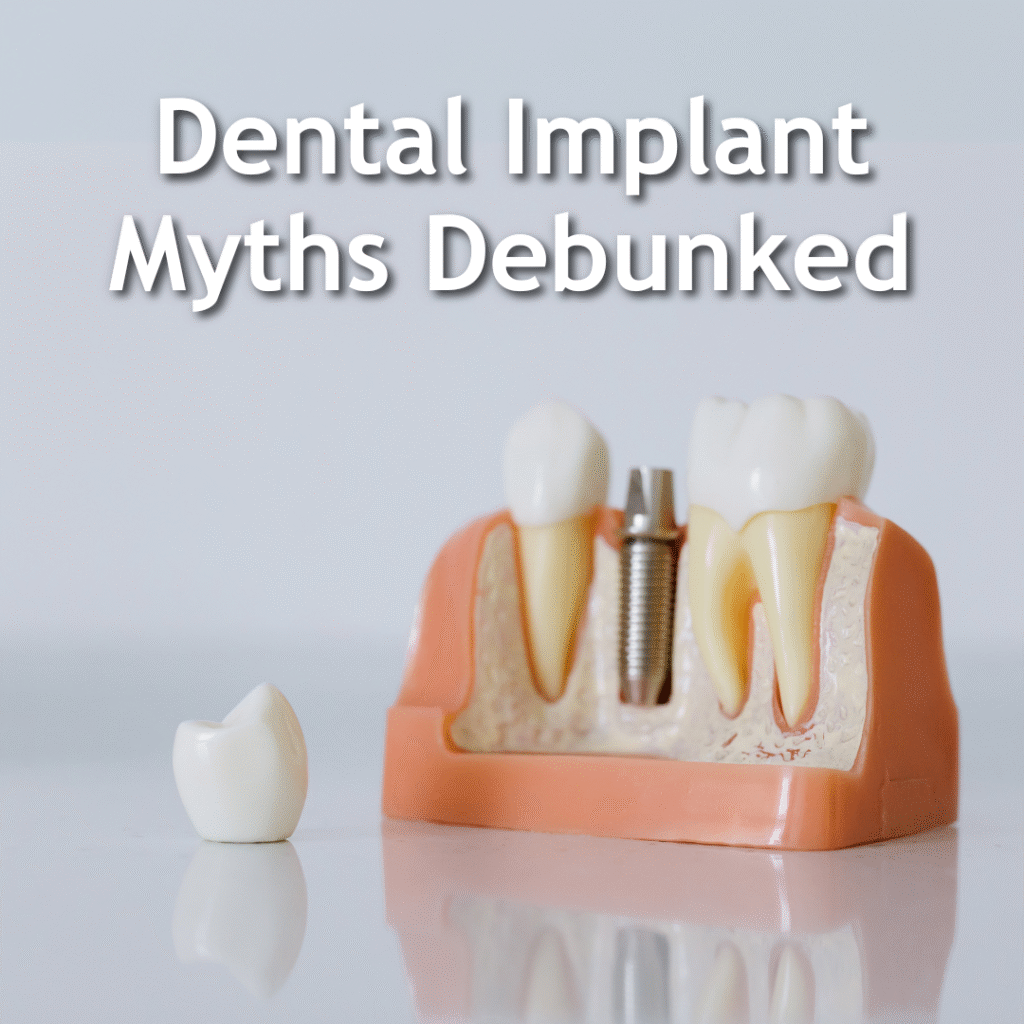
Dental Implant Myths Debunked Dental Implant Myths Debunked: Separating Fact from Fiction Thinking about replacing missing teeth with dental implants? You’ve likely come across a lot of conflicting information. Let’s clear the air. Here are some of the most common dental implant myths, along with the evidence to set the record straight. Myth 1: Dental Implants Are Painful Reality: The procedure is typically comfortable and well-managed with anesthesia or sedation. Most patients report minimal discomfort post-procedure, often less than what’s experienced with a tooth extraction. Recovery is usually quick and manageable with standard pain medication. Myth 2: Dental Implants Are Too Expensive Reality: While there’s a higher upfront cost compared to bridges or dentures, dental implants are a long-term investment. They can last a lifetime with proper care, while other options may require replacement or additional maintenance over time. Many practices offer flexible payment plans to ease the financial burden. Myth 3: Implants Look Fake or Unnatural Reality: Thanks to modern materials and precise cosmetic techniques, implants can be customized to match the shade, shape, and translucency of your natural teeth, making them virtually indistinguishable. Myth 4: Only Older Adults Can Get Dental Implants Reality: Age alone doesn’t determine eligibility. What matters most is jawbone health and overall wellness. Adults of all ages, whether in their 20s, 40s, or 60s, can be excellent candidates as long as they have adequate bone support and good oral health. Myth 5: Dental Implants Require Special Maintenance Reality: Caring for implants is just like caring for natural teeth: brush twice a day, floss daily, and keep up with regular dental check-ups. There’s no need for special cleaning solutions or tools. Myth 6: Dental Implants Have Low Success Rates Reality: Success rates for dental implants are exceptionally high, often above 95% when placed by experienced professionals using modern techniques. Long-term studies confirm their durability and reliability over many years. Why It Matters Don’t let myths hold you back from exploring a life-changing solution. Dental implants not only restore your smile, they support jawbone health, improve chewing ability, and boost confidence. Informed decisions lead to better outcomes. Want to Take the Next Step? Discover whether dental implants are the right option for you. Request your appointment today and schedule a personalized consultation with Modern Dental of Durham:👉 Request an Appointment