
Dental Imaging
Precise, accurate, and unrecognizable
Experience the latest in modern dental technology with our low-radiation digital X-rays and CBCT imaging. Say goodbye to high radiation exposure and hello to crystal-clear images for precise diagnosis and treatment planning.

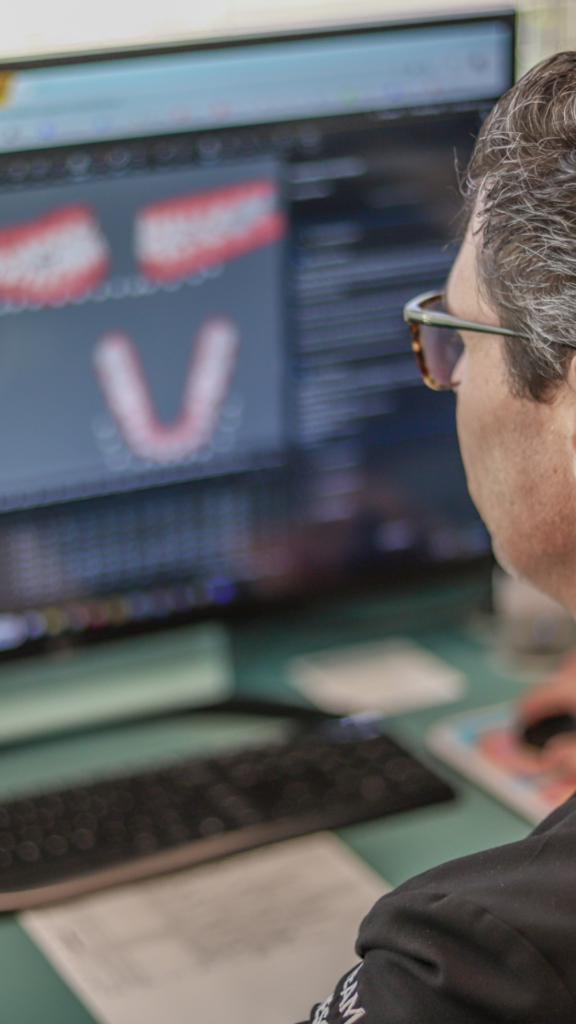
Itero Digital Scanner: The mess-free and radiation-free solution to capturing accurate anatomy. With iTero we can take digital impressions for dental restorations and appliances, and monitor tooth and gum conditions. Scanning technology is more comfortable than traditional putty impressions and scans can be saved and accessed later. This means we can; compare your tooth and gum health from previous visits to provide better preventative care and early intervention, quickly fabricate dental crowns, and replace lost or broken appliances without additional dental visits. iTero’s NIRI technology can assist in diagnosing and confirming caries without the need for additional radiation.
Nomad: Low Radiation Digital X-rays Our portable X-ray unit allows our team to be quick and efficient when taking intra-oral radiographs. We take pride in providing the most comfortable experience while getting high-quality diagnostic images.

CBCT 3D Imaging: We use CBCT imaging to plan dental surgeries and implants, assess underlying pathology of the sinus and bone, and more! This leading-edge technology creates a comfortable experience and provides all the information needed to make confident diagnoses and surgery guides for predictable treatment.

Panoramic Dental X-rays: Panoramic X-rays are taken to screen for cancer in the head, neck, and oral cavity. This type of radiograph is typically taken every 5 years.
CBCT Scans: Cone Beam Computed Tomography Systems. We use this type of imaging to view a 3D version of your head neck and jaw with lower radiation than traditional CT scans. With this technology, we can predictably plan surgical and implant treatments and identify underlying pathology in the oral cavity, sinus cavity, nerve canals, and more.
Dental Imaging FAQs
Modern digital dental X-rays use low levels of radiation. Dentists also take X-rays based on each patient’s individual needs rather than using the same imaging schedule for everyone.
Yes. One of the major benefits of dental imaging is the ability to identify certain problems before they cause noticeable pain or other symptoms. Finding dental problems earlier can sometimes allow for simpler and more conservative treatment.
Dental imaging should not be painful. With some traditional intraoral X-rays, you may feel temporary pressure from the small sensor positioned inside your mouth. Other types of imaging, including panoramic X-rays and CBCT scans, generally don’t require a sensor to be placed between your teeth.
Advanced 3D imaging can provide detailed information about the height, width, and structure of the jawbone as well as the location of important anatomical structures. This information can help your dentist precisely plan the position of dental implants and determine whether additional procedures may be needed before implant placement.
The actual CBCT scan is typically completed very quickly, often in less than a minute. You’ll remain still while the imaging equipment rotates around your head to capture the information needed to create a three-dimensional image.
How frequently you need X-rays depends on factors such as your age, oral health, dental history, symptoms, and risk for cavities or gum disease. Some patients need imaging more frequently than others, and your dentist will recommend it when appropriate.
Cone Beam Computed Tomography, or CBCT, is an advanced type of dental imaging that produces detailed 3D images of the teeth, jawbone, nerves, and surrounding structures. It provides significantly more information than a standard two-dimensional dental X-ray for certain treatments.
Dental imaging allows your dentist to see areas of your teeth, roots, jawbone, and surrounding structures that aren’t always visible during a regular dental examination. It can include digital X-rays, panoramic images, and advanced 3D imaging such as CBCT scans.
Dental X-rays can help identify cavities, infections, bone loss, impacted teeth, problems below the gumline, and other conditions that may not be visible during an examination. They can also help your dentist plan certain restorative, surgical, and cosmetic treatments.
A 3D scan may be recommended when your dentist needs a more detailed view of your teeth and jaw. CBCT imaging can be especially helpful when planning dental implants, evaluating impacted teeth, examining certain infections, and preparing for other complex dental procedures.