Family Dentistry From Childhood to Senior Years | Modern Dental
Family Dentistry: Why It Matters From Childhood to Senior Years Oral health is important at every stage of life, but dental needs can change significantly as we grow older. From a child’s first dental visit to maintaining a healthy smile in the senior years, family dentistry provides comprehensive care tailored to each age and stage. By choosing a family dentist, patients can receive consistent, personalized treatment throughout their lives while enjoying the convenience of having one trusted dental home for the entire family. What Is Family Dentistry? Family dentistry focuses on providing dental care for patients of all ages. Unlike specialists who treat specific age groups or conditions, family dentists are trained to address a wide range of oral health needs, making them an excellent choice for households with children, teens, adults, and seniors. A family dental practice offers preventive, restorative, and cosmetic services while building long-term relationships with patients. This continuity of care allows dentists to better understand each patient’s dental history and provide more personalized recommendations. Family Dentistry for Children Good oral health begins early. The American Dental Association recommends that children visit the dentist within six months of their first tooth erupting or by their first birthday. Regular dental visits during childhood help: Monitor proper tooth development Prevent cavities through professional cleanings and fluoride treatments Teach healthy oral hygiene habits Identify potential orthodontic concerns early Positive dental experiences during childhood can also reduce dental anxiety and encourage lifelong oral health habits. Supporting Teens and Young Adults As children grow into their teenage years, their dental needs continue to evolve. Family dentists help monitor oral development while addressing concerns common among adolescents. These may include: Orthodontic evaluations Wisdom tooth monitoring Sports mouthguards Preventive cleanings and exams Guidance on proper brushing and flossing habits Regular dental visits during these years can help prevent minor issues from becoming more serious problems later in life. Dental Care During Adulthood Adults face unique oral health challenges that can impact both their dental and overall health. Busy schedules often make it tempting to postpone dental visits, but preventive care remains essential. Routine exams and cleanings help dentists detect: Cavities Gum disease Tooth wear and damage Oral cancer Other developing dental concerns Family dentists can also provide restorative treatments such as fillings, crowns, and bridges, as well as cosmetic options like teeth whitening and Invisalign® to help patients maintain confident, healthy smiles. Senior Oral Health Needs Oral health remains important as we age. Seniors may experience changes related to medications, medical conditions, and natural aging that require specialized attention. Common concerns include: Dry mouth Gum disease Tooth loss Worn dental restorations Difficulty maintaining oral hygiene Family dentists can help seniors preserve their oral health through preventive care, restorative treatments, and tooth replacement solutions such as dental implants or dentures. Maintaining a healthy mouth can also support overall health and quality of life. Source: here Benefits of Choosing a Family Dentist Working with a family dentist offers several advantages for households of all sizes. Convenience Scheduling appointments for multiple family members at one location can save time and simplify dental care. Continuity of Care A family dentist develops a comprehensive understanding of each patient’s dental history, helping identify patterns and provide more personalized treatment recommendations. Comfort and Trust Building long-term relationships with a dental team can help patients feel more comfortable during appointments and reduce dental anxiety. Comprehensive Services Family dentistry provides preventive, restorative, and cosmetic treatments under one roof, making it easier to manage your family’s oral health needs. Why Choose Modern Dental of Durham? At Modern Dental of Durham, we are committed to providing high-quality dental care for patients of all ages. Whether your child is visiting the dentist for the first time, you’re interested in improving your smile, or you’re seeking solutions for age-related dental concerns, our team is here to help. We focus on preventive care, patient education, and personalized treatment plans designed to support lifelong oral health. Schedule Your Family’s Next Dental Visit Maintaining healthy smiles is a lifelong journey. Family dentistry makes it easier to receive consistent, personalized care through every stage of life. Whether you’re caring for young children, managing your own oral health, or helping aging parents maintain healthy smiles, having a trusted family dentist can make all the difference. Ready to schedule an appointment? Contact Modern Dental of Durham today and discover the benefits of comprehensive dental care for the whole family.
Dentist Near Me: 6 Things to Consider Before Choosing
Finding the right dentist isn’t just about choosing the closest office to your home. A great dental experience comes down to finding a practice that fits your needs, makes you feel comfortable, and offers the services and support you’re looking for. If you’ve recently searched for “dentist near me,” here are a few important things to consider before scheduling your first appointment. 1. Check the Services They Offer Not every dental office provides the same treatments. Some focus primarily on preventive care, while others offer services like dental implants, Invisalign, cosmetic dentistry, or restorative treatments. Choosing a practice that offers a wide range of services can make it easier to receive consistent care in one location. 2. Read Reviews and Look for Patterns Online reviews can provide valuable insight into patient experiences. Rather than focusing on a single review, look for recurring themes such as: Friendly staff Clear communication Comfortable appointments Clean office environment Long-term patient relationships These patterns often give a more accurate picture of what you can expect. 3. Consider Location and Convenience Regular dental visits are easier to maintain when your dentist is conveniently located near your home, work, or daily routine. Office hours, appointment availability, and emergency care options are also important factors to consider. 4. Ask About Payment and Insurance Options Dental care should feel accessible. Before choosing a dentist, ask about accepted insurance plans, financing options, or membership programs that may help reduce out-of-pocket costs. Cost transparency can help you plan for both routine visits and future treatment needs. 5. Pay Attention to Communication A good dentist should make you feel comfortable asking questions and discussing concerns. Whether you’re visiting for a routine cleaning or a more complex procedure, clear communication helps you feel informed and confident about your care. 6. Look for a Comfortable Office Environment Your experience starts the moment you walk through the door. A welcoming team, clean office, and patient-focused atmosphere can make a significant difference—especially if you feel nervous about dental visits. Finding the Right Dental Home Choosing a dentist is an important decision for your long-term oral health. Taking time to evaluate services, reviews, convenience, affordability, and patient experience can help you find a practice that fits your needs and makes routine dental care easier to maintain. At Modern Dental of Durham, we strive to provide comprehensive dental care in a welcoming environment while helping patients feel informed and comfortable throughout every step of their dental journey. Whether you’re new to the area or simply looking for a new dental home, finding the right dentist can make a lasting difference in your oral health and overall well-being.
How Often Should You Visit the Dentist? A Durham Dentist Explains
Why Regular Dental Visits Matter How often should you visit the dentist? Many people only schedule a dental visit when something hurts. Regular dental checkups help detect cavities, gum disease, and other oral health issues early. Regular dental checkups allow dentists to identify small problems before they become major issues. Cavities, gum disease, and enamel wear often develop slowly. Without routine exams, these conditions may go unnoticed until they require more complex treatment. At Modern Dental of Durham, preventive care is a key part of maintaining long-term oral health. Routine visits help ensure your smile stays healthy and strong. How Often Should You Visit the Dentist for a Checkup? For most people, dentists recommend visiting every six months for a dental checkup and professional cleaning. These visits allow your dentist to: Remove plaque and tartar buildup Check for early signs of cavities Monitor gum health Screen for oral health concerns Provide personalized dental advice Professional cleanings also help remove buildup that regular brushing and flossing cannot fully eliminate. Most dentists agree that how often you should visit the dentist depends on your oral health, lifestyle, and risk for dental problems. Some Patients May Need More Frequent Visits While twice a year works for many patients, some individuals benefit from more frequent dental visits. Your dentist may recommend additional appointments if you have: Gum disease or early signs of gum inflammation A history of frequent cavities Diabetes or other medical conditions affecting oral health Braces or other orthodontic appliances A weakened immune system Regular monitoring helps prevent complications and keeps treatment manageable. Understanding how often you should visit the dentist helps prevent cavities, gum disease, and expensive dental treatments later. What Happens During a Routine Dental Visit? A typical dental appointment includes both a professional cleaning and a thorough examination. During your visit, the dental team may: Examine your teeth and gums Remove plaque and tartar buildup Polish your teeth for a smooth finish Take dental X-rays when needed Discuss any oral health concerns These steps help ensure that potential problems are caught early, often before symptoms appear. Preventive Dentistry Saves Time and Money Preventive care is not just about protecting your smile. It can also help you avoid costly dental procedures in the future. Small issues such as minor cavities are much easier to treat when detected early. Without regular dental visits, these problems can develop into more serious conditions requiring fillings, crowns, or root canal treatment. Maintaining a consistent dental schedule helps reduce the risk of advanced dental problems. Signs You Should Schedule a Dental Visit Sooner Even if you recently had a checkup, certain symptoms should prompt a dental visit. Contact your dentist if you experience: Tooth pain or sensitivity Bleeding gums when brushing or flossing Persistent bad breath Loose or shifting teeth Jaw discomfort Early evaluation can help identify the cause and prevent the issue from worsening. Tips for Maintaining Good Oral Health Between Visits Dental visits are important, but daily habits also play a major role in oral health. To keep your teeth healthy between appointments: Brush your teeth twice a day Floss daily to remove plaque between teeth Limit sugary foods and drinks Drink plenty of water Replace your toothbrush every three to four months Combining strong daily habits with regular dental visits helps maintain a healthy smile. FAQ About Dental Visits Is visiting the dentist every six months really necessary? For most patients, yes. Routine visits allow dentists to detect issues early and provide professional cleaning that supports long-term oral health. What if my teeth feel fine? Dental problems do not always cause immediate symptoms. Regular checkups help identify concerns before they become painful or more complicated. Do children need dental checkups as often as adults? Yes. Children benefit from regular dental visits to monitor development and maintain healthy teeth as they grow. Protect Your Smile with Regular Dental Care Routine dental visits are one of the easiest ways to protect your oral health and prevent future problems. A consistent schedule allows dentists to monitor changes, address concerns early, and keep your smile looking its best. If it has been a while since your last dental checkup, scheduling an appointment can help you stay on track with your oral health. If you are looking for a trusted local dentist, learn more about preventive care at Modern Dental of Durham.
Crowns, Fillings, Bridges, and Implants
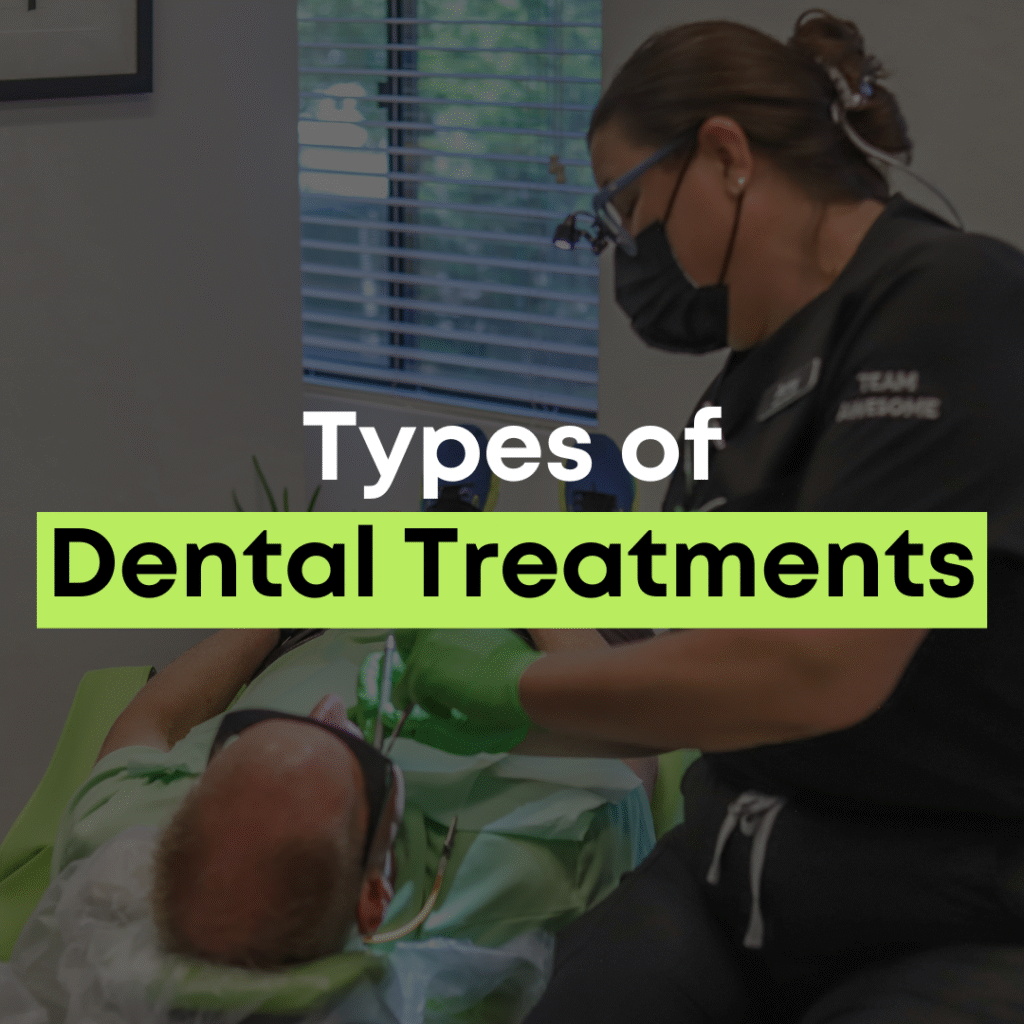
Types of Dental Treatments When it comes to dental treatments, the terminology can get confusing fast. You may have heard your dentist mention crowns, fillings, bridges, or implants, but what do all these actually mean, and how do you know which one is right for your situation? At Modern Dental of Durham, we believe in helping our patients make informed decisions about their oral health. Below is a simple breakdown of these four common dental treatments, what they’re used for, and how they differ. 1. Fillings: The First Line of Defense Best for: Small to moderate cavities or tooth decay. What they are: A filling is used to restore a tooth that has been damaged by decay. Your dentist will remove the decayed portion and “fill” the space with a material like composite resin (tooth-colored), amalgam (silver), or another dental-safe substance. Why you might need one:If you have a cavity that’s not too deep, a filling is usually the simplest and least invasive solution. 2. Crowns: Protection for Weakened Teeth Best for: Severely decayed, cracked, or weakened teeth. What they are:A dental crown is a tooth-shaped “cap” that covers the entire visible surface of a damaged tooth. Crowns restore shape, strength, and appearance, and are made from materials like porcelain, ceramic, or metal. Why you might need one:If a tooth is too damaged for a filling to hold, or after a root canal, a crown provides long-term protection and function. 3. Bridges: Replacing Missing Teeth Best for: One or more missing teeth in a row. What they are:A dental bridge is a fixed appliance that literally “bridges” the gap created by missing teeth. It uses crowns on the adjacent teeth (called abutment teeth) to hold a false tooth (or teeth) in place. Why you might need one:Bridges are a great solution when you’re missing a tooth but aren’t ready for or don’t qualify for an implant. 4. Implants: The Gold Standard for Tooth Replacement Best for: Permanent replacement of missing teeth. What they are:Dental implants are titanium posts surgically placed into the jawbone, acting like artificial tooth roots. Once healed, they are topped with a crown, creating a fully functional and natural-looking tooth. Why you might need one:Implants are durable, long-lasting, and feel most like real teeth. They also help prevent bone loss that can occur when teeth are missing for long periods. How to Know What Dental Treatments Are Right for You? Each option comes with unique benefits, and the right choice depends on your specific dental needs, overall oral health, and personal preferences. At Modern Dental of Durham, we take the time to walk you through every option and recommend the best path to restore your smile with comfort and confidence. Ready to Take the Next Step with Dental Treatments? If you think you might need a filling, crown, bridge, or implant, or any other type of dental treatments, we’re here to help. Request an appointment today and let’s get started on your journey to a healthier, happier smile.