The Truth About Cavities
The Truth About Cavities: Causes, Myths & Prevention Tips Cavities. They’re one of the most common dental problems, yet also one of the most misunderstood. You may think cavities only come from eating too much candy or that you’ll always feel them if they’re forming. The truth is, cavities can be sneaky, preventable, and even reversible in their early stages, if you know the facts. At Modern Dental of Durham, we believe education is just as important as treatment. Let’s clear up some myths and give you practical tips to help keep your smile cavity-free. What are Cavities? A cavity is a hole or area of decay that forms in your tooth when plaque (a sticky film of bacteria) isn’t properly removed. The bacteria feed on sugars from your food and drinks, producing acids that wear away the tooth enamel. Over time, this leads to decay and eventually a cavity. If untreated, a cavity can grow larger, cause pain, and even lead to infection or tooth loss. Common Myths MYTH 1: Only Sugar Causes Cavities While sugar definitely contributes, it’s not the only culprit. Starchy foods (like chips or bread) also break down into sugars and feed bacteria. MYTH 2: You’ll Always Feel a Cavity Not true. Many cavities start painlessly. By the time you feel sensitivity or pain, the decay has likely reached deeper layers of your tooth. MYTH 3: Kids Get More Cavities Than Adults While children are certainly at risk, adults often develop cavities too, especially around old fillings, receding gums, or if dry mouth is an issue. MYTH 4: Brushing Alone Will Prevent Cavities Brushing helps, but it’s not enough. Flossing, limiting snacking, and regular dental cleanings are essential for full cavity prevention. Proven Ways to Prevent Cavities 1. Brush & Floss Consistently Brush twice a day with fluoride toothpaste and floss at least once daily. Don’t forget to clean along the gumline and between teeth where your brush can’t reach. 2. Drink Plenty of Water Water helps rinse away food particles and keeps saliva levels up. Saliva is your mouth’s natural defense against cavity-causing bacteria. 3. Limit Sugary Snacks & Drinks Sipping soda or snacking all day feeds cavity-causing bacteria. Try to eat at set times and choose tooth-friendly snacks like cheese, nuts, or fresh vegetables. 4. Use Fluoride Products Fluoride strengthens tooth enamel and helps reverse early signs of decay. Ask your dentist about fluoride rinses or in-office treatments if you’re at high risk. 5. Get Regular Dental Checkups Cavities caught early are easier and cheaper to treat. At Modern Dental of Durham, we use digital X-rays and thorough exams to detect even the smallest signs of trouble. Don’t Wait for the Pain Whether you’re due for a checkup or just want to improve your oral care routine, we’re here to help you stay ahead of cavities and keep your smile strong for life. Request an appointment today with Modern Dental of Durham, and take the next step toward a healthier, cavity-free smile.
Can Your Gut Health Affect Your Smile?
Can Your Gut Health Affect Your Teeth? When you think about dental care, brushing and flossing might be the first things that come to mind. But did you know that your gut health could directly impact your teeth and gums? At Modern Dental of Durham, we take a holistic approach because oral health isn’t just about your mouth; it’s connected to your entire body. Let’s explore how your gut microbiome and dental health are more closely related than you might think, and what you can do to protect both. What Is Holistic Dental Health? Holistic dentistry focuses on the connection between your oral health and your overall well-being. Rather than treating isolated symptoms, we look at underlying causes, including lifestyle, nutrition, and gut health, to help you achieve lasting wellness. How Gut Health Affects Your Oral Health Your body is home to trillions of microorganisms, many of which live in your gut and your mouth. This ecosystem is called the microbiome, and it plays a vital role in regulating inflammation, supporting immunity, and even maintaining healthy teeth and gums. When your gut microbiome becomes unbalanced (a condition called dysbiosis), it can trigger inflammation throughout the body, including your mouth. Research shows that poor gut health is linked to: Gum disease (periodontitis) Tooth decay and cavities Bad breath (halitosis) Increased risk of infections Slower healing from dental procedures BONUS: What the Science Says About Oral and Gut Health Recent studies support the connection between gut health and oral health: A 2021 study in Frontiers in Cellular and Infection Microbiology found that an unhealthy gut microbiome can worsen gum disease and lead to more cavities. A 2023 review in the Journal of Oral Microbiology emphasized how oral and gut microbiota interact, affecting both inflammation and immunity. Other studies show that probiotics can reduce plaque, improve gum health, and restore microbial balance in the mouth. This growing body of research reinforces the value of taking care of your gut as part of a whole-body dental care strategy. How to Support Your Gut Health and Your Smile Looking to improve both gut and oral health? Here are some simple, science-backed tips: Eat whole, high-fiber foods (like vegetables, legumes, and whole grains) Avoid excess sugar and processed foods, which fuel harmful bacteria Include probiotics (such as yogurt, kefir, kimchi, or supplements) Drink plenty of water to support saliva and microbial balance Reduce stress, which impacts your microbiome and immune system Visit your dentist regularly for cleanings, checkups, and prevention Why Choose Holistic Dentistry in Durham? At Modern Dental of Durham, we go beyond the basics. Our team considers the full picture of your health, from gut issues to immune function, to help you get better results and feel your best. Whether you’re experiencing chronic gum issues, frequent cavities, or just want a more wellness-focused approach to dental care, we’re here to support you with personalized, whole-body solutions. Your Next Step to a Healthier Smile Your gut and your gums are more connected than you may realize—and caring for both can help you feel better from the inside out. Schedule your holistic dental consultation at Modern Dental of Durham today. Let’s work together to create a customized plan for lasting oral and whole-body health
How Two Dental Cleanings a Year Can Actually Save You Money
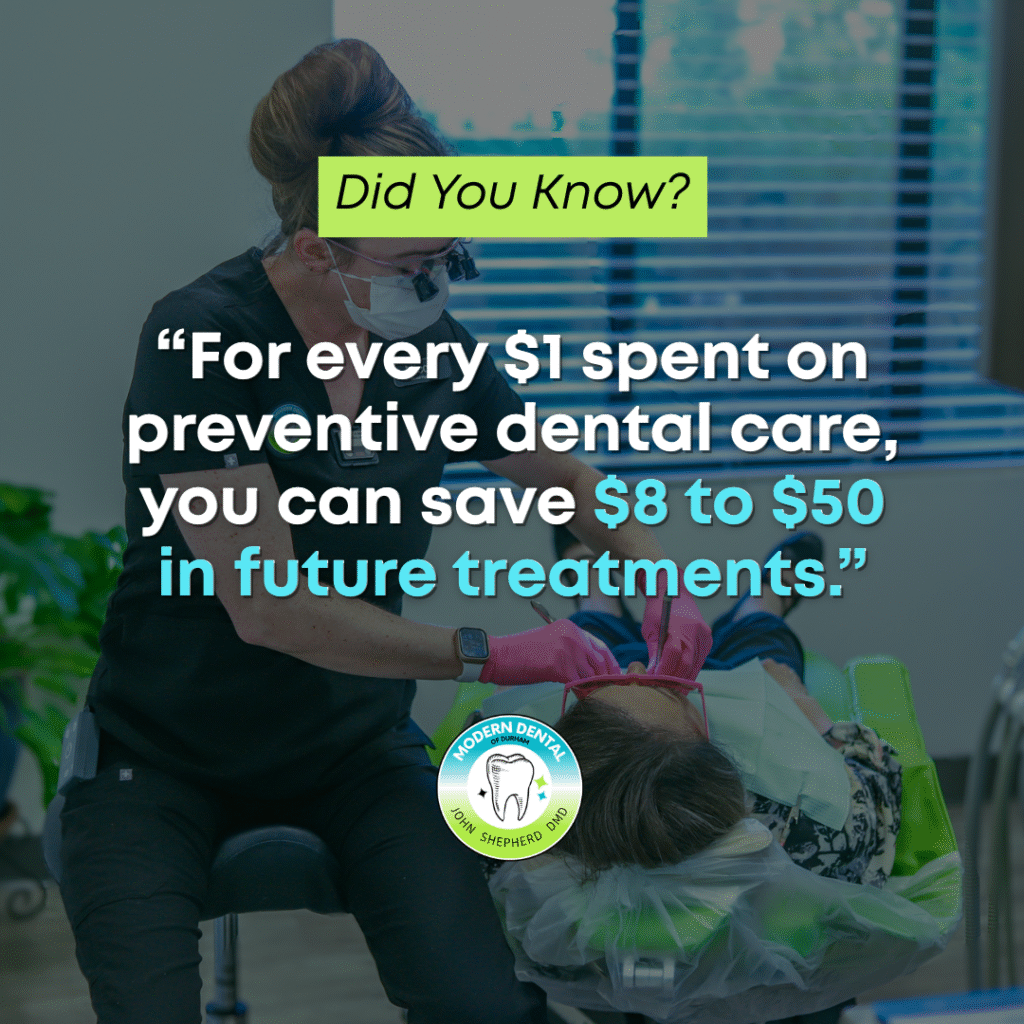
How Two Dental Cleanings a Year Can Actually Save You Money At Modern Dental of Durham, we want you to think of preventive care not just as a health habit, but as a smart financial decision for your oral health. Many people assume dental cleanings are simply a cost, but in reality, getting your teeth professionally cleaned twice a year can save you significant money in the long run. Why Dental Cleanings Are More Than Just Polishing When you come in for a routine dental cleaning, your hygienist is doing much more than removing plaque. That appointment gives us the chance to: Detect cavities or gum disease in early stages Remove hardened tartar you can’t brush away Spot warning signs of oral health issues such as cracks, decay, or even precancerous changes Reinforce oral hygiene strategies tailored to you Catching small problems early is key. Once decay or disease advances, treatment costs rise steeply. The Research: Preventive Care Pays Off Here’s what the evidence shows: Studies suggest that for every dollar spent on preventive dental care, you can save $8 to $50 in future restorative or emergency treatments. (dentistry.uic.edu) Among Medicaid enrollees, those who had five years of continuous preventive care experienced 43% lower costs than those who skipped it, largely due to fewer surgeries and emergencies. (pmc.ncbi.nlm.nih.gov) One analysis found that prior-year preventive dental visits are associated with fewer nonpreventive visits and lower overall dental expenditures. (pmc.ncbi.nlm.nih.gov) Employers in “high preventive utilization” groups spent 86% less on major and restorative dental services over time. (nadp.org) Preventive dental care has been linked with lower healthcare costs in populations with chronic conditions such as diabetes by reducing inflammation, infections, and complications. (frontiersin.org) In short, preventive care is cost-effective, clinically wise, and a smart insurance play. How Two Cleanings a Year Translate to Savings Scenario What Happens & Risks Potential Cost Impact Skipping one cleaning per year Plaque hardens into tartar, early decay or gum inflammation goes unnoticed Small cavity becomes large, needs root canal or crown Skipping both cleanings Gum disease may develop, bone loss, infection risk Tooth extraction, implant costs, or periodontal surgery Keeping two cleanings per year Problems are caught early and treated affordably Less overall treatment cost, fewer emergencies, less time off work By maintaining biannual cleanings, you reduce the chance of needing expensive treatments like root canals, crowns, implants, or gum surgery. Other Ways Biannual Dental Cleanings Benefit You Insurance coverage advantage: Many dental plans cover 100% of preventive cleanings, making these visits virtually free out-of-pocket. (humana.com) Better overall health: Poor oral health is linked to systemic diseases such as heart disease and diabetes. Preventive dental care can reduce inflammatory load and healthcare costs. (frontiersin.org) Less emergency dental visits: Skipping care leads many people to seek urgent treatment, which is far more expensive and stressful. (cdc.gov) Peace of mind and less downtime: Preventive visits are quick, comfortable, and keep your smile healthy without disruptions from pain or emergency trips. Tips to Maximize Your Savings & Oral Health Stick to the schedule. Set reminders for your six-month cleanings Use your dental benefits. Preventive is often fully covered Practice good at-home habits. Brush twice a day, floss, and use antimicrobial mouthwash Tell your hygienist your health status. Medications, conditions, and diet can influence your risk and treatment plan Resources You Can Trust For more on how oral disease interventions save lives and money, see the CDC’s Health and Economic Benefits of Oral Disease Interventions page. The PMC article “Estimating the Cost Savings of Preventive Dental Services” offers peer-reviewed insight into state-level preventive cost impacts. Don’t wait until pain or expensive treatment forces your hand. Commit to your oral and financial health today. 📞 Call Modern Dental of Durham or schedule your next cleaning online now. Let us help keep your smile and your wallet in the best shape possible.
Why Preventive Dental Care Is So Important
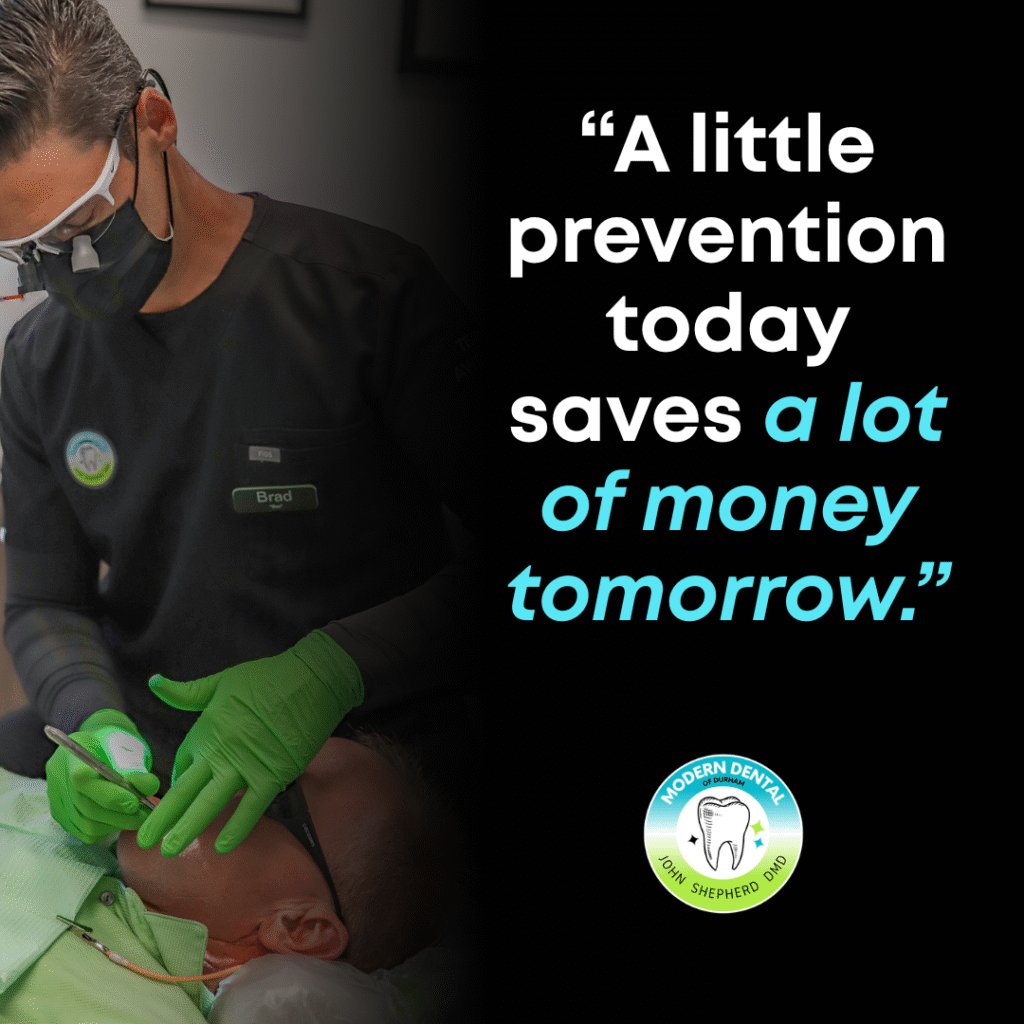
Why Preventive Dental Care Is So Important When most people think about going to the dentist, they imagine fixing a problem, such as a cavity, a broken tooth, or tooth pain. But the truth is, the best dentistry is often the kind you never need because preventive care keeps problems from happening in the first place. At Modern Dental of Durham, we believe preventive dental care is the foundation of long-term oral health, overall wellness, and even financial savings. What Counts as Preventive Dental Care? Preventive dental care includes the everyday habits and professional services that protect your teeth and gums from disease. These include: Professional cleanings and exams every six months Daily brushing and flossing at home Fluoride treatments to strengthen enamel Dental sealants for cavity protection Regular X-rays to catch issues early Oral cancer screenings Each of these steps works together to keep your mouth healthy, reducing the risk of serious and costly dental procedures later. Why Preventive Care Matters Skipping preventive care may seem like no big deal, but research shows otherwise: Prevents major issues: Routine visits allow dentists to catch problems like cavities, gum disease, and oral cancer early, when treatment is simple and affordable. (CDC) Saves money long-term: For every $1 spent on preventive dental care, patients save up to $50 in treatment costs. (UIC College of Dentistry) Improves overall health: Poor oral health is linked to systemic conditions like heart disease, diabetes, and stroke. Preventive care lowers inflammation and infection risk. (Mayo Clinic) Reduces emergency visits: Regular cleanings and exams lower the chances of painful, expensive dental emergencies. The Hidden Benefits of Preventive Dental Care Beyond saving money and avoiding pain, preventive care also: Keeps your smile bright and confident Preserves your natural teeth for life Helps children avoid dental anxiety by keeping visits stress-free Improves quality of life with healthy gums and fresh breath The Cost of Skipping Preventive Care If You Skip Potential Consequence Likely Cost Cleanings & Exams Gum disease, cavities, undetected oral cancer Hundreds to thousands for treatment X-Rays Missed decay or bone loss Costly restorative care, implants, or extractions Sealants & Fluoride Higher cavity risk Fillings, crowns, root canals Daily Home Care Plaque buildup, bad breath, gum disease Periodontal treatment, tooth loss What seems like saving money upfront often results in higher expenses later. Resources You Can Trust Learn more from the CDC Oral Health Division on why prevention is key: CDC Oral Health Explore the Mayo Clinic’s guide on how oral health impacts overall health: Mayo Clinic Oral Health Preventive care is the simplest and smartest way to protect your smile, save money, and boost your overall health. Don’t wait for problems to appear, stop them before they start. 📞 Call Modern Dental of Durham today or book your preventive visit online at moderndentalofdurham.com/request-an-appointment.