Dental Implant: Can You Get One Years After Losing a Tooth?
A dental implant is often the best long-term solution for replacing a missing tooth. Many patients worry they’ve waited too long after tooth loss, but in many cases, a dental implant may still be possible years later. The good news? Even if you’ve been missing a tooth for several years, you may still be a candidate for a dental implant. Is It Ever Too Late for a Dental Implant? In many cases, no. Dental implants can often be placed years—even decades—after a tooth has been lost. The biggest factor isn’t how long ago the tooth was lost. It’s the health of the jawbone that supports the implant. When a tooth is missing, the bone in that area no longer receives stimulation from chewing. Over time, the jawbone can begin to shrink, a process known as bone resorption. That’s why a dental evaluation is important before implant treatment. What Happens Before a Dental Implant After Tooth Loss? After losing a tooth, several changes can occur: The jawbone may gradually shrink over time. Nearby teeth can begin to shift into the empty space. Your bite may become misaligned. Changes in bone structure can affect facial appearance. Additional wear may occur on surrounding teeth. The longer a tooth is missing, the more likely these changes are to happen. However, they don’t automatically rule out dental implants. Can You Get a Dental Implant If You’ve Lost Bone? Possibly, yes. Modern dentistry offers several solutions for patients who have experienced bone loss, including: Bone grafting procedures Advanced implant planning with 3D imaging Strategic implant placement techniques A CBCT scan allows your dentist to evaluate bone volume and determine whether additional treatment is needed before implant placement. Are You a Candidate for a Dental Implant? The best way to find out is through a comprehensive dental examination. Your dentist will evaluate: Bone density and volume Gum health Overall oral health Medical history The location of the missing tooth Every patient is different, which is why a personalized treatment plan is important. Why Replacing a Missing Tooth Matters Many people adapt to living with a missing tooth, but leaving the space untreated can contribute to: Ongoing bone loss Shifting teeth Bite problems Difficulty chewing Additional dental complications in the future Replacing a missing tooth can help restore function, comfort, and confidence in your smile. The Bottom Line If you’ve been missing a tooth for years, don’t assume you’ve missed your chance for a dental implant. Advances in dental technology and treatment options have helped many patients restore their smiles long after tooth loss. The first step is finding out what’s possible for your specific situation. Ready to Explore Your Options? At Modern Dental of Durham, we use advanced imaging and personalized treatment planning to help patients determine whether dental implants are the right solution for their needs. Learn more about our Dental Implant services. Schedule your consultation today:Modern Dental of Durham Appointment Request
Dental Implant Myths Debunked
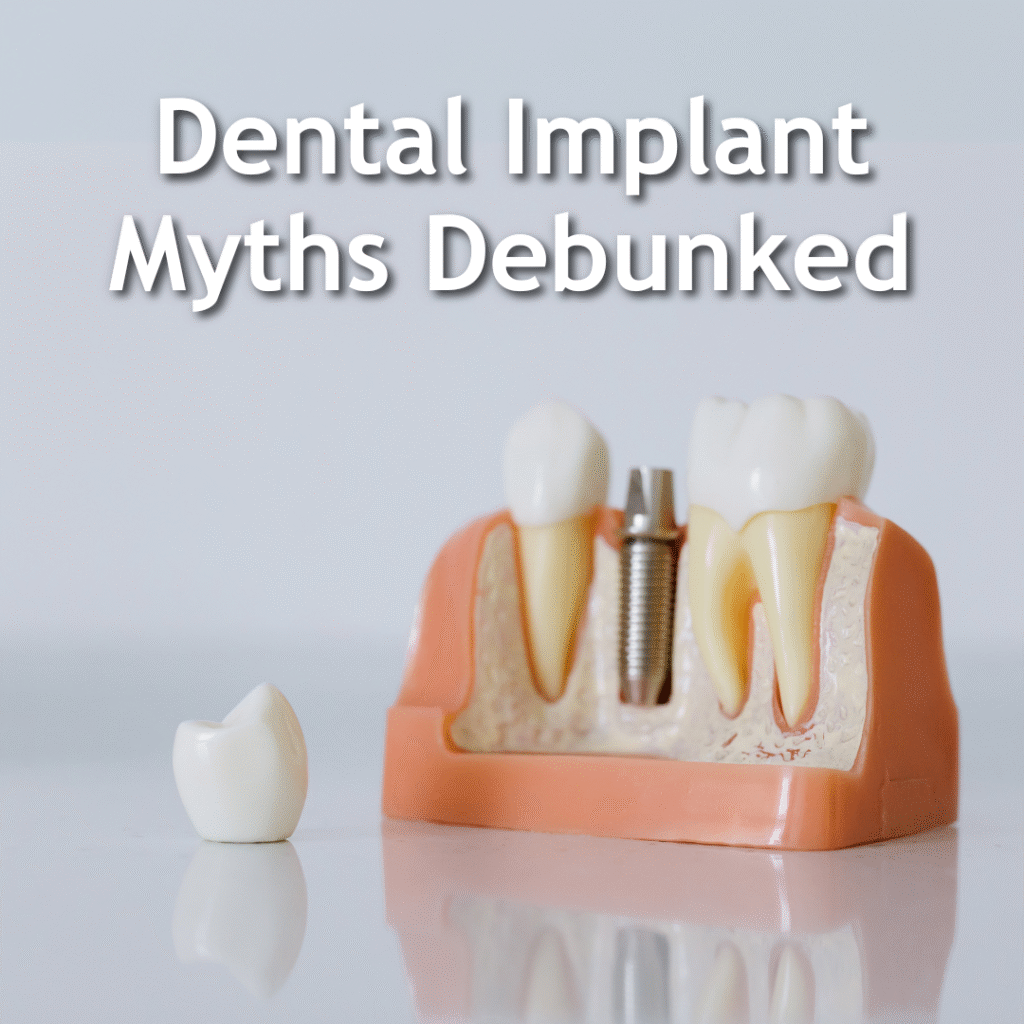
Dental Implant Myths Debunked Dental Implant Myths Debunked: Separating Fact from Fiction Thinking about replacing missing teeth with dental implants? You’ve likely come across a lot of conflicting information. Let’s clear the air. Here are some of the most common dental implant myths, along with the evidence to set the record straight. Myth 1: Dental Implants Are Painful Reality: The procedure is typically comfortable and well-managed with anesthesia or sedation. Most patients report minimal discomfort post-procedure, often less than what’s experienced with a tooth extraction. Recovery is usually quick and manageable with standard pain medication. Myth 2: Dental Implants Are Too Expensive Reality: While there’s a higher upfront cost compared to bridges or dentures, dental implants are a long-term investment. They can last a lifetime with proper care, while other options may require replacement or additional maintenance over time. Many practices offer flexible payment plans to ease the financial burden. Myth 3: Implants Look Fake or Unnatural Reality: Thanks to modern materials and precise cosmetic techniques, implants can be customized to match the shade, shape, and translucency of your natural teeth, making them virtually indistinguishable. Myth 4: Only Older Adults Can Get Dental Implants Reality: Age alone doesn’t determine eligibility. What matters most is jawbone health and overall wellness. Adults of all ages, whether in their 20s, 40s, or 60s, can be excellent candidates as long as they have adequate bone support and good oral health. Myth 5: Dental Implants Require Special Maintenance Reality: Caring for implants is just like caring for natural teeth: brush twice a day, floss daily, and keep up with regular dental check-ups. There’s no need for special cleaning solutions or tools. Myth 6: Dental Implants Have Low Success Rates Reality: Success rates for dental implants are exceptionally high, often above 95% when placed by experienced professionals using modern techniques. Long-term studies confirm their durability and reliability over many years. Why It Matters Don’t let myths hold you back from exploring a life-changing solution. Dental implants not only restore your smile, they support jawbone health, improve chewing ability, and boost confidence. Informed decisions lead to better outcomes. Want to Take the Next Step? Discover whether dental implants are the right option for you. Request your appointment today and schedule a personalized consultation with Modern Dental of Durham:👉 Request an Appointment