Can a Cracked Tooth Heal on Its Own? Durham Dentist
A cracked tooth can happen when you least expect it. You might bite down on something hard, notice pain while chewing, or suddenly develop sensitivity to hot and cold foods. Can a cracked tooth heal on its own? Unfortunately, a true crack in a tooth cannot naturally repair itself. While the discomfort may come and go, the damage can remain and potentially worsen over time. Getting the tooth evaluated early can help protect it, prevent further damage, and determine the right treatment. Why Can’t a Cracked Tooth Heal Itself? Your teeth are incredibly strong, but they don’t heal the same way your bones or skin do. Enamel, the hard outer layer of your tooth, does not contain living cells capable of rebuilding a true crack. Once the tooth structure has fractured, it cannot simply grow back together. Sometimes the pain may disappear temporarily, but that doesn’t necessarily mean the crack has healed. The tooth may still be vulnerable to further damage or infection. What Causes a Tooth to Crack? Teeth can crack for several reasons, including: Biting down on hard foods, ice, or objects Grinding or clenching your teeth Large or older dental fillings that weaken the remaining tooth structure Trauma or an injury to the mouth Sudden changes in temperature Normal wear and tear over time In some cases, you may not even know exactly when the crack happened. What Does a Cracked Tooth Feel Like? Not every cracked tooth causes constant pain. In fact, symptoms can be surprisingly inconsistent. You may notice: Pain when biting down or releasing your bite Sensitivity to hot or cold temperatures Discomfort when eating sweet foods Pain that seems to come and go Tenderness or discomfort around the affected tooth Because these symptoms can also occur with cavities, damaged fillings, and other dental problems, a dental examination is important for determining what’s actually causing the discomfort. Are All Tooth Cracks Serious? No. The severity depends on the type, depth, and location of the crack. According to the American Association of Endodontists, cracked teeth can take several different forms, ranging from superficial craze lines to more significant cracks and split teeth. Learn more from the American Association of Endodontists Craze Lines These are tiny cracks that affect only the enamel. They’re common in adults and usually don’t cause pain. In many cases, treatment isn’t necessary unless there is a cosmetic concern. Fractured Cusp Part of the chewing surface of the tooth may break or weaken, often around a filling. Depending on the damage, your dentist may recommend a filling or dental crown to restore and protect the tooth. Cracked Tooth A crack can extend from the chewing surface toward the root. Early treatment is important because the crack may continue to spread and affect more of the tooth. Split Tooth If a crack progresses far enough, the tooth can separate into distinct sections. At this stage, saving the entire tooth may no longer be possible. What Happens If You Ignore a Cracked Tooth? A small crack can become a much larger dental problem. Continued chewing pressure may cause the crack to spread deeper into the tooth. If bacteria reach the inner pulp, the tooth can become inflamed or infected. At that point, treatment may become more extensive and could include root canal therapy, a dental crown, or, in severe cases, extraction. This is why waiting for a cracked tooth to “heal” can potentially make the situation worse. Even if the pain temporarily disappears, the underlying damage may still be present. How Does a Dentist Treat a Cracked Tooth? Treatment depends on the location and severity of the crack and how much of the tooth has been affected. Minor damage may only need monitoring or dental bonding. A larger crack may require a dental crown to strengthen and protect the remaining tooth structure. If the crack has reached the pulp inside the tooth, root canal treatment may be necessary before the tooth is restored. If the tooth is severely split or the crack extends into an area that cannot be predictably restored, extraction may sometimes be recommended. The goal is to preserve as much of your natural tooth as possible whenever it can be successfully restored. What Should You Do If You Think You Cracked a Tooth? If you suspect that you’ve cracked a tooth, avoid chewing hard or crunchy foods on the affected side until you can see your dentist. Don’t repeatedly test the tooth by biting down to see whether it still hurts. Additional pressure could potentially worsen the damage. Most importantly, don’t wait for the tooth to repair itself. The earlier a crack is diagnosed, the more treatment options may be available to protect the tooth and prevent further complications. Get Your Cracked Tooth Checked at Modern Dental of Durham A cracked tooth won’t naturally grow back together, but timely dental care may help prevent the crack from becoming a much bigger problem. If you’re experiencing pain when chewing, temperature sensitivity, or think you may have damaged a tooth, Modern Dental of Durham can evaluate the problem and recommend the appropriate treatment based on your needs. Don’t wait for a small crack to become a bigger dental problem. Schedule an appointment with Modern Dental of Durham today.
Broken Tooth but No Pain? What to Do in Durham, NC
A broken tooth but no pain can be easy to ignore. You may notice a small piece missing, feel a rough edge with your tongue, or see a crack without experiencing sensitivity or discomfort. If it does not hurt, do you really need to see a dentist? In many cases, yes. Pain is only one sign that something is wrong with a tooth. A break can weaken the tooth, expose deeper layers, or create an area where bacteria can enter—even when you feel completely fine. Having the tooth evaluated early can help determine how serious the damage is and whether treatment is needed to prevent further problems. Why Can a Broken Tooth Have No Pain? A tooth can break without causing immediate pain for several reasons. A minor fracture may affect only the enamel, the hard outer layer of the tooth. Because enamel does not contain nerves, small chips and surface damage may not hurt. In other cases, a crack or break may not have reached the inner pulp where the tooth’s nerves and blood vessels are located. You might also have an existing filling or dental restoration that breaks while the tooth itself remains relatively comfortable. The absence of pain does not necessarily reveal how much damage has occurred. A dental examination can help determine what part of the tooth is affected. Broken Tooth but No Pain: Can You Wait to See a Dentist? Even with a broken tooth but no pain, delaying an evaluation may allow the damage to progress. A weakened tooth can break further when you chew. Cracks can also provide pathways for bacteria to reach areas that are harder to keep clean. If the inner portion of the tooth eventually becomes affected, symptoms such as sensitivity, discomfort when biting, swelling, or infection may develop. According to the American Dental Association’s MouthHealthy guidance on cracked teeth, cracked teeth can present in different ways, and treatment depends on the location and severity of the damage. Getting the tooth checked before symptoms worsen can give your dentist more information about whether the tooth needs treatment and what options are appropriate. What Can Cause a Tooth to Break? Teeth are strong, but several factors can make them more vulnerable to cracking or breaking. Biting hard foods or objects can cause sudden damage. Grinding or clenching can repeatedly place pressure on the teeth, while large fillings may leave less natural tooth structure available to withstand chewing forces. Decay can also weaken a tooth from within. In these situations, what appears to be a sudden break may be the result of damage that developed gradually. Normal wear, previous dental work, and trauma to the mouth can also contribute. What Should You Do After Breaking a Tooth? Contact your dentist to have the tooth evaluated, even if it is not currently painful. Until your appointment, avoid chewing hard or sticky foods on the affected side and continue gently brushing and flossing the area. If the broken edge feels sharp, be careful around your tongue and cheeks. If you find a piece of the tooth, keep it and bring it to your appointment. A broken tooth accompanied by significant bleeding, swelling, severe pain, facial trauma, or other concerning symptoms may require more urgent attention. How Does a Dentist Treat a Broken Tooth? Treatment depends on where the tooth broke, how much structure was lost, and whether the inner portion of the tooth has been affected. For a small cosmetic chip, dental bonding may be enough to restore the tooth’s shape. A veneer may be considered for certain cosmetic damage affecting a front tooth. When more tooth structure is compromised, a dental crown may be recommended to restore and protect the remaining tooth. Damage involving the pulp may require additional treatment before the tooth can be restored. This is why two teeth that look similarly broken may require very different treatment plans. Can a Broken Tooth Get Worse Over Time? Yes. Once part of the tooth has been compromised, normal chewing forces can place additional stress on the remaining structure. A small fracture may stay relatively stable, or it may extend and lead to a larger break. Food and bacteria can also collect around damaged areas, potentially increasing the risk of decay or infection. Waiting for pain to appear is therefore not the best way to determine whether a broken tooth needs attention. When Is a Broken Tooth a Dental Emergency? Not every broken tooth requires emergency treatment, but certain symptoms should be taken more seriously. Seek prompt dental care if the break is accompanied by severe or worsening pain, swelling, uncontrolled bleeding, signs of infection, or significant trauma to the mouth or face. A tooth that has been knocked loose or displaced also requires timely evaluation. Even without those symptoms, schedule an appointment so your dentist can assess the damage and recommend an appropriate next step. Broken Tooth but No Pain? Get It Checked in Durham, NC A broken tooth but no pain may seem harmless, but comfort does not always mean the tooth is healthy or structurally sound. Identifying the extent of the damage early may help prevent a small problem from becoming more complicated. At Modern Dental of Durham, our team can examine the affected tooth, determine the extent of the damage, and discuss treatment options based on your oral health and individual needs. Have a broken or damaged tooth? Request an appointment with Modern Dental of Durham to have it evaluated. Request an Appointment at Modern Dental of Durham
Can Veneers Fix Gaps, Chips, and Uneven Teeth?
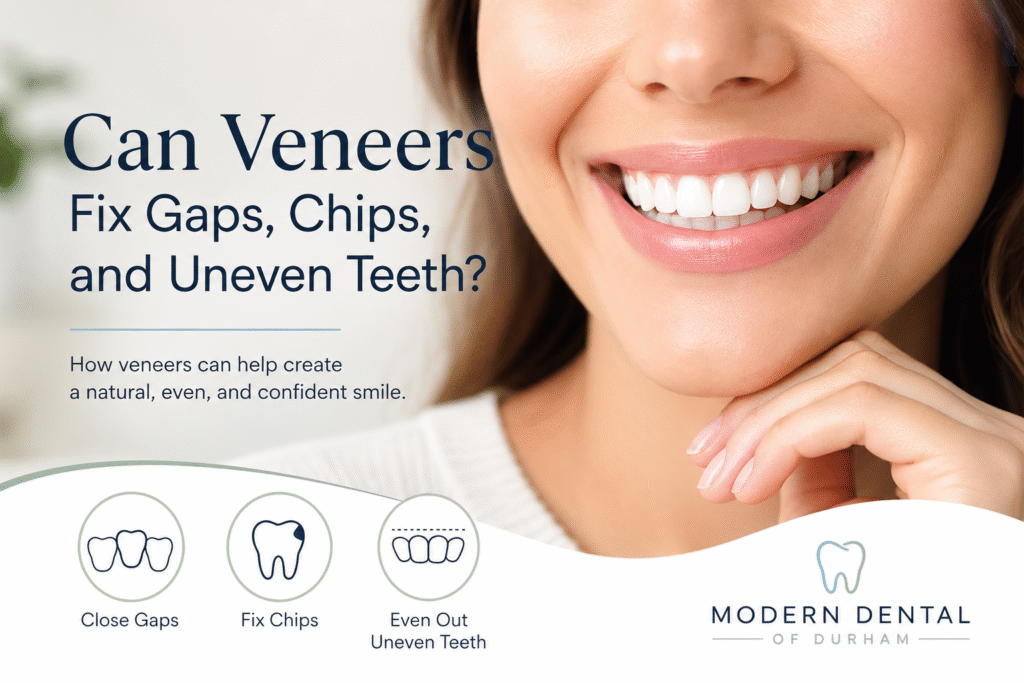
Can Veneers Fix Gaps, Chips, and Uneven Teeth? A small gap between your teeth, a chipped edge, or teeth that look uneven can affect the overall appearance of your smile. When you have more than one cosmetic concern, you may also wonder whether you need a different treatment for each problem. For some patients, veneers offer a way to improve several concerns at once. Veneers for gaps and chipped teeth can change the visible shape, size, color, and proportions of teeth to create a more balanced, natural-looking smile. So, what can veneers actually correct, and when might another dental treatment be a better choice? What Are Dental Veneers? According to the American Dental Association (ADA), Dental veneers are thin, custom-made coverings bonded to the front surfaces of teeth. Depending on the material and treatment plan, veneers can be used to improve teeth that appear chipped, stained, misshapen, crooked, or spaced apart. Because veneers are individually designed, your dentist can consider factors such as tooth shape, proportions, color, and surrounding teeth when planning the final appearance. Veneers are primarily a cosmetic treatment, however, so the health and condition of your natural teeth still matter. Your dentist will need to evaluate your teeth and gums before determining whether veneers are appropriate. Can Veneers Close Gaps Between Teeth? Veneers may be able to improve the appearance of small spaces between teeth, especially gaps that affect the front of your smile. Rather than physically moving the teeth, veneers can modify their visible width and shape. By carefully adjusting the proportions of neighboring teeth, a dentist can make a small gap appear closed while creating a more uniform smile. For larger spaces or gaps related to tooth alignment or bite concerns, orthodontic treatment such as Invisalign may be more appropriate. The best option depends on why the spacing exists and what you want to change about your smile. Can Veneers Fix Chipped Teeth? Chipped teeth are another cosmetic concern that veneers can address in certain cases. A veneer covers the visible front surface of the tooth and can restore the appearance of a smoother, more even edge. This can be especially helpful when a chip affects a front tooth that is noticeable when you smile. However, not every chipped tooth needs a veneer. Minor cosmetic chips may be candidates for dental bonding, while a tooth with more extensive structural damage may require restorative treatment, such as a dental crown. An examination can determine how much healthy tooth structure remains and which treatment is most appropriate. Can Veneers Improve Uneven Teeth? If your teeth differ in shape, length, or proportion, veneers can be customized to create a more symmetrical appearance. For example, one front tooth might appear shorter than the other, or years of wear may leave several edges looking irregular. Veneers can modify the visible proportions of these teeth so they complement each other more closely. Veneers may also improve the appearance of certain mildly crooked or misshapen teeth. Because veneers do not actually reposition teeth, more significant alignment concerns may be better addressed with orthodontic treatment. Veneers vs. Other Cosmetic Dental Treatments Veneers are one option for changing the appearance of your smile, but the best treatment depends on the concern you want to address. Dental bonding can be useful for smaller chips, spaces, or changes in tooth shape. Orthodontic treatment can physically move teeth when spacing or alignment is the primary concern. Dental crowns may be recommended when a tooth needs more extensive restoration in addition to improving its appearance. Sometimes, a treatment plan may combine more than one approach. Choosing between these options starts with understanding both the cosmetic goal and the health of the teeth involved. Who Is a Good Candidate for Veneers? Healthy teeth and gums provide an important foundation for cosmetic dental treatment. Before veneers are considered, concerns such as tooth decay or gum disease generally need to be addressed. Your dentist will also consider your bite, available enamel, existing dental work, and habits such as grinding or clenching your teeth. Veneer treatment can involve removing some natural enamel, which means the decision should be made with an understanding of the long-term commitment involved. A personalized dental evaluation can help determine whether veneers offer the right balance between improving your smile and maintaining your oral health. Caring for Your Veneers Veneers still require consistent oral care. Brush twice daily, clean between your teeth each day, and continue regular dental exams and cleanings. The natural tooth underneath and around a veneer can still develop dental problems, so maintaining healthy teeth and gums remains important. It is also a good idea to avoid using your teeth to open packaging, chew ice, or bite other hard objects that could place unnecessary pressure on your veneers or natural teeth. If you grind or clench your teeth, your dentist may discuss additional ways to protect your smile. Considering Veneers in Durham, NC? Gaps, chips, and uneven teeth can each change the appearance of your smile, but they do not always require separate solutions. For the right patient, veneers may improve several cosmetic concerns as part of one personalized treatment plan. At Modern Dental of Durham, we focus on treatment tailored to each patient’s needs while using modern dental technology to support comfortable, comprehensive care. Whether veneers are the right choice or another treatment better fits your smile, an evaluation can help you understand your options before making a decision. Ready to explore what could work for your smile? Request an appointment with Modern Dental of Durham today.
Family Dentistry From Childhood to Senior Years | Modern Dental
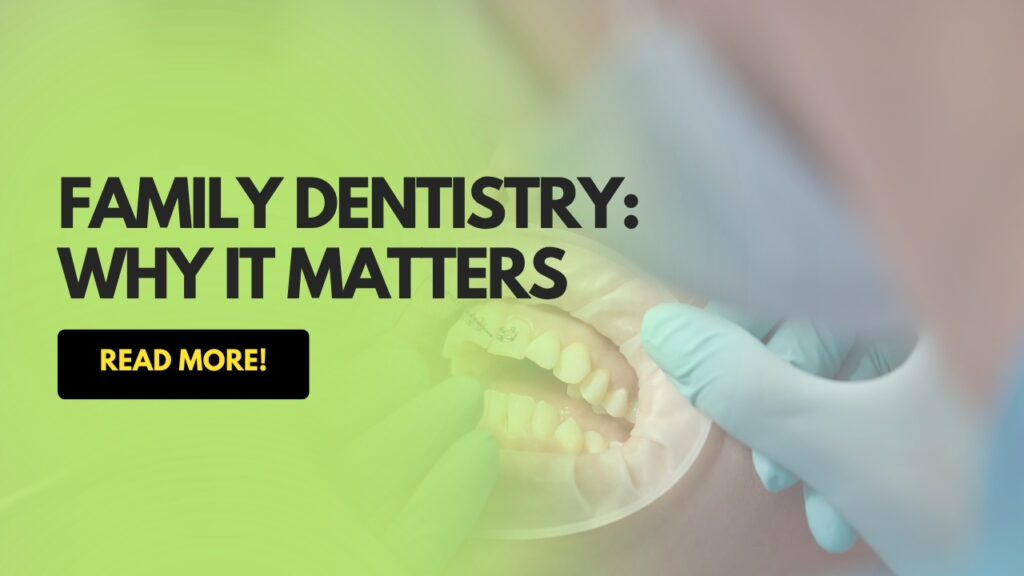
Family Dentistry: Why It Matters From Childhood to Senior Years Oral health is important at every stage of life, but dental needs can change significantly as we grow older. From a child’s first dental visit to maintaining a healthy smile in the senior years, family dentistry provides comprehensive care tailored to each age and stage. By choosing a family dentist, patients can receive consistent, personalized treatment throughout their lives while enjoying the convenience of having one trusted dental home for the entire family. What Is Family Dentistry? Family dentistry focuses on providing dental care for patients of all ages. Unlike specialists who treat specific age groups or conditions, family dentists are trained to address a wide range of oral health needs, making them an excellent choice for households with children, teens, adults, and seniors. A family dental practice offers preventive, restorative, and cosmetic services while building long-term relationships with patients. This continuity of care allows dentists to better understand each patient’s dental history and provide more personalized recommendations. Family Dentistry for Children Good oral health begins early. The American Dental Association recommends that children visit the dentist within six months of their first tooth erupting or by their first birthday. Regular dental visits during childhood help: Monitor proper tooth development Prevent cavities through professional cleanings and fluoride treatments Teach healthy oral hygiene habits Identify potential orthodontic concerns early Positive dental experiences during childhood can also reduce dental anxiety and encourage lifelong oral health habits. Supporting Teens and Young Adults As children grow into their teenage years, their dental needs continue to evolve. Family dentists help monitor oral development while addressing concerns common among adolescents. These may include: Orthodontic evaluations Wisdom tooth monitoring Sports mouthguards Preventive cleanings and exams Guidance on proper brushing and flossing habits Regular dental visits during these years can help prevent minor issues from becoming more serious problems later in life. Dental Care During Adulthood Adults face unique oral health challenges that can impact both their dental and overall health. Busy schedules often make it tempting to postpone dental visits, but preventive care remains essential. Routine exams and cleanings help dentists detect: Cavities Gum disease Tooth wear and damage Oral cancer Other developing dental concerns Family dentists can also provide restorative treatments such as fillings, crowns, and bridges, as well as cosmetic options like teeth whitening and Invisalign® to help patients maintain confident, healthy smiles. Senior Oral Health Needs Oral health remains important as we age. Seniors may experience changes related to medications, medical conditions, and natural aging that require specialized attention. Common concerns include: Dry mouth Gum disease Tooth loss Worn dental restorations Difficulty maintaining oral hygiene Family dentists can help seniors preserve their oral health through preventive care, restorative treatments, and tooth replacement solutions such as dental implants or dentures. Maintaining a healthy mouth can also support overall health and quality of life. Source: here Benefits of Choosing a Family Dentist Working with a family dentist offers several advantages for households of all sizes. Convenience Scheduling appointments for multiple family members at one location can save time and simplify dental care. Continuity of Care A family dentist develops a comprehensive understanding of each patient’s dental history, helping identify patterns and provide more personalized treatment recommendations. Comfort and Trust Building long-term relationships with a dental team can help patients feel more comfortable during appointments and reduce dental anxiety. Comprehensive Services Family dentistry provides preventive, restorative, and cosmetic treatments under one roof, making it easier to manage your family’s oral health needs. Why Choose Modern Dental of Durham? At Modern Dental of Durham, we are committed to providing high-quality dental care for patients of all ages. Whether your child is visiting the dentist for the first time, you’re interested in improving your smile, or you’re seeking solutions for age-related dental concerns, our team is here to help. We focus on preventive care, patient education, and personalized treatment plans designed to support lifelong oral health. Schedule Your Family’s Next Dental Visit Maintaining healthy smiles is a lifelong journey. Family dentistry makes it easier to receive consistent, personalized care through every stage of life. Whether you’re caring for young children, managing your own oral health, or helping aging parents maintain healthy smiles, having a trusted family dentist can make all the difference. Ready to schedule an appointment? Contact Modern Dental of Durham today and discover the benefits of comprehensive dental care for the whole family.
Why Preventive Dentistry Saves You Money Long-Term
Most people think of dental visits as an expense. But when it comes to oral health, skipping preventive care often ends up costing far more in the long run. Preventive dentistry focuses on stopping problems before they become serious. Regular cleanings, exams, and early treatment can help you avoid complex procedures, reduce discomfort, and protect your overall health. What Is Preventive Dentistry? Preventive dentistry includes routine dental services designed to keep your teeth and gums healthy, such as: Professional dental cleanings Comprehensive dental exams Digital X-rays Fluoride treatments Oral cancer screenings Patient education on brushing and flossing These visits allow your dentist to identify small concerns before they turn into larger, more expensive problems. If you’re looking to stay ahead of dental issues, regular dental cleanings and exams are one of the most effective ways to maintain long-term oral health. Small Problems Are Less Expensive to Treat A tiny cavity may only require a simple filling. Left untreated, that same cavity can grow deeper and affect the inner part of the tooth. What starts as a minor issue can eventually lead to: Root canal therapy Dental crowns Tooth extraction Dental implants or bridges The earlier a problem is detected, the simpler and more affordable the treatment is likely to be. In many cases, early intervention can prevent the need for more extensive procedures such as root canal therapy or a dental crown. Preventing Gum Disease Can Protect Your Smile—and Your Wallet Gum disease is one of the leading causes of tooth loss in adults. Unfortunately, it often develops silently, with few noticeable symptoms in the early stages. Routine dental visits can help identify: Gum inflammation Bleeding gums Early bone loss Plaque and tartar buildup According to the Centers for Disease Control and Prevention (CDC), nearly half of adults age 30 and older have some form of periodontal disease, making prevention and early treatment especially important. Treating gum disease early is generally less costly and less invasive than managing advanced periodontal disease and replacing lost teeth. For patients who have experienced tooth loss, dental implants can restore function and appearance—but preventing the problem is always the more affordable option. Emergency Dental Care Is Often More Expensive Many dental emergencies begin as preventable issues. A cracked tooth, severe infection, or sudden toothache may require urgent treatment that could have been avoided through regular preventive care. Routine checkups allow your dental team to monitor your oral health and address concerns before they become painful emergencies. Preventive care helps reduce the risk of unexpected procedures, emergency appointments, and avoidable dental expenses. Oral Health Impacts Overall Health Research continues to show a strong connection between oral health and overall wellness. Poor oral health has been linked to: Heart disease Diabetes complications Respiratory conditions Chronic inflammation Maintaining healthy teeth and gums may contribute to better overall health and help reduce future healthcare costs. The CDC and American Dental Association both emphasize the importance of preventive care in maintaining lifelong oral health. Prevention Helps You Avoid Time Away From Work and Family Dental problems don’t just affect your budget—they can also disrupt your daily life. Preventive care can help reduce: Unexpected dental appointments Time off work School absences Stress caused by dental pain Regular visits are a small investment that can help you avoid bigger interruptions later. The Bottom Line Preventive dentistry is one of the smartest investments you can make in your health. Routine cleanings, exams, and early intervention can help prevent costly procedures, protect your smile, and support your overall well-being. At Modern Dental of Durham, we’re committed to helping patients maintain healthy smiles through comprehensive preventive care. By staying proactive today, you may save both time and money in the future. Whether you’re due for a cleaning or looking for a new dentist, our team offers comprehensive preventive care designed to keep your smile healthy for years to come. Ready to protect your smile? Schedule your next dental checkup and cleaning today: https://moderndentalofdurham.com/dental-appointment/
Dentist Near Me: 6 Things to Consider Before Choosing
Finding the right dentist isn’t just about choosing the closest office to your home. A great dental experience comes down to finding a practice that fits your needs, makes you feel comfortable, and offers the services and support you’re looking for. If you’ve recently searched for “dentist near me,” here are a few important things to consider before scheduling your first appointment. 1. Check the Services They Offer Not every dental office provides the same treatments. Some focus primarily on preventive care, while others offer services like dental implants, Invisalign, cosmetic dentistry, or restorative treatments. Choosing a practice that offers a wide range of services can make it easier to receive consistent care in one location. 2. Read Reviews and Look for Patterns Online reviews can provide valuable insight into patient experiences. Rather than focusing on a single review, look for recurring themes such as: Friendly staff Clear communication Comfortable appointments Clean office environment Long-term patient relationships These patterns often give a more accurate picture of what you can expect. 3. Consider Location and Convenience Regular dental visits are easier to maintain when your dentist is conveniently located near your home, work, or daily routine. Office hours, appointment availability, and emergency care options are also important factors to consider. 4. Ask About Payment and Insurance Options Dental care should feel accessible. Before choosing a dentist, ask about accepted insurance plans, financing options, or membership programs that may help reduce out-of-pocket costs. Cost transparency can help you plan for both routine visits and future treatment needs. 5. Pay Attention to Communication A good dentist should make you feel comfortable asking questions and discussing concerns. Whether you’re visiting for a routine cleaning or a more complex procedure, clear communication helps you feel informed and confident about your care. 6. Look for a Comfortable Office Environment Your experience starts the moment you walk through the door. A welcoming team, clean office, and patient-focused atmosphere can make a significant difference—especially if you feel nervous about dental visits. Finding the Right Dental Home Choosing a dentist is an important decision for your long-term oral health. Taking time to evaluate services, reviews, convenience, affordability, and patient experience can help you find a practice that fits your needs and makes routine dental care easier to maintain. At Modern Dental of Durham, we strive to provide comprehensive dental care in a welcoming environment while helping patients feel informed and comfortable throughout every step of their dental journey. Whether you’re new to the area or simply looking for a new dental home, finding the right dentist can make a lasting difference in your oral health and overall well-being.
Dental Implant: Can You Get One Years After Losing a Tooth?
A dental implant is often the best long-term solution for replacing a missing tooth. Many patients worry they’ve waited too long after tooth loss, but in many cases, a dental implant may still be possible years later. The good news? Even if you’ve been missing a tooth for several years, you may still be a candidate for a dental implant. Is It Ever Too Late for a Dental Implant? In many cases, no. Dental implants can often be placed years—even decades—after a tooth has been lost. The biggest factor isn’t how long ago the tooth was lost. It’s the health of the jawbone that supports the implant. When a tooth is missing, the bone in that area no longer receives stimulation from chewing. Over time, the jawbone can begin to shrink, a process known as bone resorption. That’s why a dental evaluation is important before implant treatment. What Happens Before a Dental Implant After Tooth Loss? After losing a tooth, several changes can occur: The jawbone may gradually shrink over time. Nearby teeth can begin to shift into the empty space. Your bite may become misaligned. Changes in bone structure can affect facial appearance. Additional wear may occur on surrounding teeth. The longer a tooth is missing, the more likely these changes are to happen. However, they don’t automatically rule out dental implants. Can You Get a Dental Implant If You’ve Lost Bone? Possibly, yes. Modern dentistry offers several solutions for patients who have experienced bone loss, including: Bone grafting procedures Advanced implant planning with 3D imaging Strategic implant placement techniques A CBCT scan allows your dentist to evaluate bone volume and determine whether additional treatment is needed before implant placement. Are You a Candidate for a Dental Implant? The best way to find out is through a comprehensive dental examination. Your dentist will evaluate: Bone density and volume Gum health Overall oral health Medical history The location of the missing tooth Every patient is different, which is why a personalized treatment plan is important. Why Replacing a Missing Tooth Matters Many people adapt to living with a missing tooth, but leaving the space untreated can contribute to: Ongoing bone loss Shifting teeth Bite problems Difficulty chewing Additional dental complications in the future Replacing a missing tooth can help restore function, comfort, and confidence in your smile. The Bottom Line If you’ve been missing a tooth for years, don’t assume you’ve missed your chance for a dental implant. Advances in dental technology and treatment options have helped many patients restore their smiles long after tooth loss. The first step is finding out what’s possible for your specific situation. Ready to Explore Your Options? At Modern Dental of Durham, we use advanced imaging and personalized treatment planning to help patients determine whether dental implants are the right solution for their needs. Learn more about our Dental Implant services. Schedule your consultation today:Modern Dental of Durham Appointment Request
Tooth Extraction vs Dental Implant Pain: Which Hurts More?
When people ask about tooth extraction vs dental implant pain, they’re not just asking about the procedure. They’re thinking about what it will feel like after. At home.When the numbness wears off.When you’re left wondering if it was the right decision. That’s the part most people don’t say out loud—but it’s usually what’s holding them back from moving forward. Tooth Extraction: What It Actually Feels Like During the procedure, your mouth is fully numbed. You won’t feel sharp pain, but you will feel pressure. A pulling sensation. Movement. That part can feel uncomfortable, especially if the tooth is damaged or infected. After the extraction, the experience can vary. For many people, the discomfort peaks within the first 24–72 hours. There can be swelling, soreness, and sensitivity around the area as your body starts healing. If the tooth was infected beforehand, the relief can actually outweigh the discomfort. For general guidance on what to expect after a tooth extraction, you can refer to this one. Dental Implants: What Most People Expect vs Reality Dental implants sound more intense. It involves placing a titanium post into the jaw, which understandably makes people assume it will hurt more. But in reality, the procedure is controlled, precise, and done under proper anesthesia. Most patients report feeling pressure during the procedure—but not pain. Afterward, the discomfort is often described as manageable. Soreness, mild swelling, and a healing period that feels more structured than people expect. Tooth Extraction vs Dental Implant Pain: Which One Hurts More? This is where the answer becomes clearer. Tooth extraction can sometimes feel more uncomfortable afterward, especially if the tooth was already causing pain or infection. Dental implants, while sounding more complex, are typically planned in a way that minimizes trauma to the surrounding area. So the difference isn’t just about the procedure itself. It’s about: The condition of the tooth beforehand How controlled the procedure is And how your body responds during recovery For many patients, dental implants feel more predictable than they expected. Why the Experience Feels So Different A big part of this comes down to how each procedure is performed. Tooth extraction is often reactive—removing something that’s already causing a problem. Dental implants are planned. With modern digital dentistry, placement is guided with precision. That means: Less disruption to surrounding tissue More accurate positioning Smoother healing process This level of planning changes the overall experience more than most people realize. What the Recovery Actually Feels Like This is the part people care about most. With extractions: Soreness can feel sharper initially Healing depends on the condition of the tooth There may be more variability With implants: Discomfort is often more controlled Healing follows a more predictable timeline Most patients return to normal routines quickly It’s not pain-free. But it’s not as overwhelming as people imagine. Why Fear Feels Bigger Than the Procedure Most of the hesitation doesn’t come from the procedure itself. It comes from not knowing what it’s going to feel like. Your brain fills in the gaps. It assumes the worst. It turns uncertainty into something heavier than it actually is. And that’s what keeps people stuck longer than they need to be. The Next Step Isn’t Avoiding It. It’s Understanding It. If you’ve been putting this off because you’re unsure what it will feel like, you’re not alone. But the way forward isn’t guessing. It’s understanding what your specific situation looks like, what the process would involve, and how your recovery would actually feel based on that. 👉 Book your consultation here
Invisalign vs Braces in North Carolina: What Actually Matters
When comparing Invisalign vs braces, most adults aren’t just asking which one works—they’re trying to figure out which one fits their life right now. In North Carolina, more adults are choosing to correct their smile later in life. But once you start looking into Invisalign vs braces, it can feel confusing fast. Both work. Both have trade-offs. And the “better” option depends more on your lifestyle than most people expect. Invisalign vs Braces: What Most People Get Wrong When it comes to Invisalign vs braces, the right choice depends on more than just appearance. Most people walk into this decision with a simple assumption. Invisalign is clear and more comfortable.Braces are more noticeable but more effective. That’s not wrong—but it’s incomplete. Because the real difference shows up in how each option fits into your daily life, your discipline, and the complexity of your case. That’s where most people get stuck. If you’re still deciding between Invisalign vs braces, getting a personalized recommendation makes all the difference. Invisalign vs Braces: The Differences That Actually Matter Appearance This is usually the starting point. Invisalign is nearly invisible. Most people won’t notice you’re wearing it unless they’re looking closely.Braces are visible, especially traditional metal ones. If you’re working in a client-facing role or just don’t want attention on your teeth, Invisalign tends to feel like the easier choice. Comfort Both treatments involve movement, so some level of pressure is normal. Invisalign uses smooth plastic trays, which means less irritation to your cheeks and gums.Braces can cause more friction due to brackets and wires, especially early on or after adjustments. The difference isn’t about avoiding discomfort entirely—it’s about how that discomfort shows up day to day. Effectiveness This is where things shift. Braces are often better suited for more complex alignment issues—severe crowding, bite problems, or significant rotations.Invisalign works very well for mild to moderate cases and has advanced significantly with digital planning. If you want a clinical breakdown of how clear aligners work, . The key isn’t which one is “stronger.” It’s which one is appropriate for your specific case. Lifestyle This is where Invisalign and braces feel very different. With Invisalign: You remove aligners to eat No food restrictions Easier brushing and flossing With braces: You keep them on at all times Certain foods are off-limits Cleaning takes more effort For general oral care tips during orthodontic treatment, you can refer to this read. Invisalign gives you more flexibility—but it also requires consistency. If you’re not wearing them as prescribed, results slow down. Maintenance & Discipline Invisalign depends on you. You need to wear aligners 20–22 hours a day for them to work properly.Braces don’t rely on compliance in the same way—they’re always working. So the real question becomes:Are you consistent enough for Invisalign, or do you need something more fixed? Invisalign vs Braces: Which One Is Actually Better for You? This is where the decision becomes clearer. Invisalign may be a better fit if you: Want a discreet option Have a flexible but consistent routine Prefer fewer lifestyle restrictions Have mild to moderate alignment issues Braces may be a better fit if you: Have more complex dental concerns Don’t want to think about compliance daily Prefer a fully fixed solution There isn’t a universal “better” option. There’s just the one that works best for your case and your life. How Digital Dentistry Improves Invisalign Results This is where things have changed significantly. With digital dentistry, Invisalign is no longer based on rough estimates or manual impressions. 3D scanning allows for: More precise mapping of your teeth Predictable treatment planning Better-fitting aligners Fewer unexpected adjustments If you’re curious how digital scans replace traditional molds, . At practices using advanced digital technology, Invisalign becomes more controlled, more efficient, and more aligned with your actual outcome from the start. What About Cost in North Carolina? Cost is always part of the decision. Invisalign is often slightly higher upfront, depending on case complexity.Braces can vary widely depending on the type and duration of treatment. For a general cost range reference, . Many practices in North Carolina offer payment plans, which makes both options more accessible than most people expect. The important part isn’t just the price—it’s the long-term value and results you’re getting from the treatment. Why People Delay This Decision Most people don’t delay because they don’t care. They delay because they’re unsure. Not sure which option is right.Not sure what the process will feel like.Not sure if it’s worth it right now. And that uncertainty keeps the decision sitting in the background longer than it needs to. If you’ve been going back and forth between Invisalign and braces, the next step isn’t guessing which one is better. It’s understanding what actually works for your teeth, your lifestyle, and your timeline. At Modern Dental of Durham, every consultation is designed to give you a clear, personalized plan—so you’re not making decisions based on assumptions, but on what will actually get you the result you want. Book an appointment with us now!
What to Do If You Have a Toothache: Advice from a Durham Dentist
What to Do If You Have a Toothache: Advice from a Durham Dentist Why Toothaches Should Never Be Ignored A toothache is one of the most common dental problems people experience. While some discomfort may seem minor at first, tooth pain is often a signal that something is wrong. If you are experiencing tooth pain, understanding the cause and seeking proper toothache relief in Durham can help prevent the issue from becoming more serious. At Modern Dental of Durham, many patients visit the dentist because of sudden or persistent tooth pain. Common Causes of Toothaches Several dental conditions can lead to tooth pain. Identifying the cause is the first step toward effective treatment. Some of the most common causes include: Tooth decay or cavities Gum infection or gum disease Cracked or damaged teeth Tooth abscess or infection Worn enamel or tooth sensitivity Each of these issues may require professional treatment to fully resolve the discomfort. If you need consultation, book an appointment here How to Get Temporary Toothache Relief at Home While home remedies cannot replace dental treatment, they may help reduce discomfort until you see a dentist. Some ways to manage tooth pain temporarily include: Rinsing your mouth with warm salt water Using a cold compress to reduce swelling Taking over-the-counter pain relievers Avoiding extremely hot or cold foods These methods may provide short-term toothache relief in Durham, but they do not treat the underlying dental problem. When to See a Durham Dentist for Tooth Pain Some toothaches require immediate dental care. Delaying treatment can allow the problem to worsen and potentially lead to infection. You should schedule a dental visit if you experience: Severe or persistent tooth pain Swelling in the gums or jaw Sensitivity that does not go away Fever or signs of infection Pain when biting or chewing Dentists can diagnose the cause of your pain and recommend the best treatment. Dental Treatments for Toothaches Depending on the cause of your tooth pain, your dentist may recommend different treatment options. Common treatments include: Dental fillings for cavities Root canal treatment for infected teeth Treatment for gum disease Repair of cracked or damaged teeth Receiving proper care early helps restore comfort and protect your oral health. According to the American Dental Association, untreated dental infections can spread and lead to more serious health complications. Preventing Future Toothaches While some dental problems happen unexpectedly, good oral hygiene habits can reduce the risk of tooth pain. To protect your teeth: Brush your teeth twice a day Floss daily Avoid excessive sugar consumption Schedule regular dental checkups Routine dental visits allow dentists to detect issues before they cause pain. When Tooth Pain Means a Dental Emergency In some situations, a toothache may signal a dental emergency. Severe infection, swelling, or intense pain should be evaluated as soon as possible. If you are experiencing serious tooth pain, seeking toothache relief in Durham from a professional dentist can prevent complications and restore your comfort. Get Toothache Relief in Durham Tooth pain can disrupt your daily life, but early treatment can help resolve the problem quickly. If you are experiencing tooth discomfort or need toothache relief in Durham, the team at Modern Dental of Durham can help diagnose the issue and recommend the right treatment. Learn more or schedule an appointment here