Common Concerns About Dental Implants
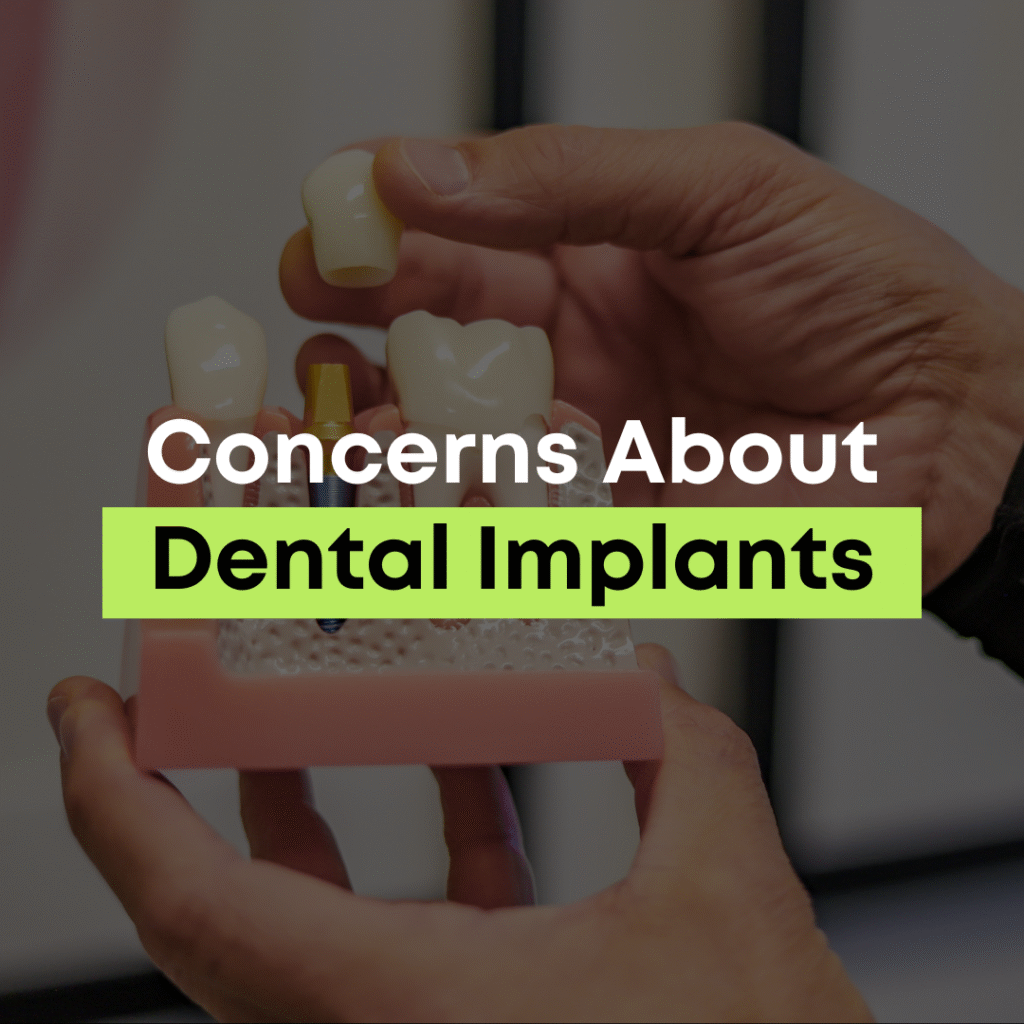
Common Concerns About Dental Implants Concerns about dental implants are common! If you’re missing one or more teeth, dental implants are often recommended as a long-term solution. Still, many patients hesitate, and that’s completely normal. Questions about pain, cost, safety, and recovery are some of the most common concerns we hear at Modern Dental of Durham. “Will getting a dental implant hurt?” One of the biggest fears patients have is pain. The reality? Most patients report less discomfort than expected. Dental implant placement is performed using local anesthesia Many patients compare post-procedure soreness to a tooth extraction Over-the-counter pain relievers are often enough during recovery According to the American Academy of Implant Dentistry, dental implant procedures have a high comfort and satisfaction rate among patients, especially when placed by experienced dental professionals. “Are dental implants safe?” Yes, dental implants are considered one of the safest and most successful procedures in modern dentistry. Research published by the National Institutes of Health (NIH) shows dental implant success rates of 95% or higher in healthy patients.² Key factors that support safety include: Use of biocompatible titanium Precise digital imaging and planning Proper oral hygiene and follow-up care At Modern Dental of Durham, treatment plans are customized to your oral health, medical history, and long-term goals. “What if I’m not a good candidate?” Many patients assume they aren’t eligible for dental implants, but that’s often not the case. You may still qualify even if you: Have been missing teeth for years Previously wore dentures or bridges Have mild bone loss (bone grafting may be an option) A consultation allows your dentist to evaluate bone density, gum health, and overall oral conditions before making recommendations. “Why are dental implants more expensive than other options?” Dental implants may have a higher upfront cost, but they’re designed to be a long-term investment. Compared to dentures or bridges, implants: Do not rely on neighboring teeth for support Help prevent jawbone loss Can last decades with proper care The Cleveland Clinic notes that dental implants often cost less over time because they don’t need frequent replacement like other tooth-replacement options. “How long is recovery?” Recovery is usually straightforward and happens in stages. Most patients return to normal activities within 1–2 days The implant integrates with the jawbone over several months Temporary restorations may be used during healing Your dental team will provide clear aftercare instructions to support comfort and healing every step of the way. Research-backed benefits of dental implants Dental implants offer more than just a restored smile. Studies show they help: Preserve jawbone structure Improve chewing efficiency and speech Support long-term oral health Boost confidence and quality of life A comprehensive review published in the Journal of Oral Implantology highlights implants as the gold standard for replacing missing teeth. Ready to explore your options? Choosing dental implants is a personal decision, and having the right information matters. If you’re curious whether implants are right for you, a consultation is the best next step. 👉 Schedule a dental implant consultation with Modern Dental of Durham today:https://www.moderndentalofdurham.com/request-an-appointment
Dental Implant Myths Debunked
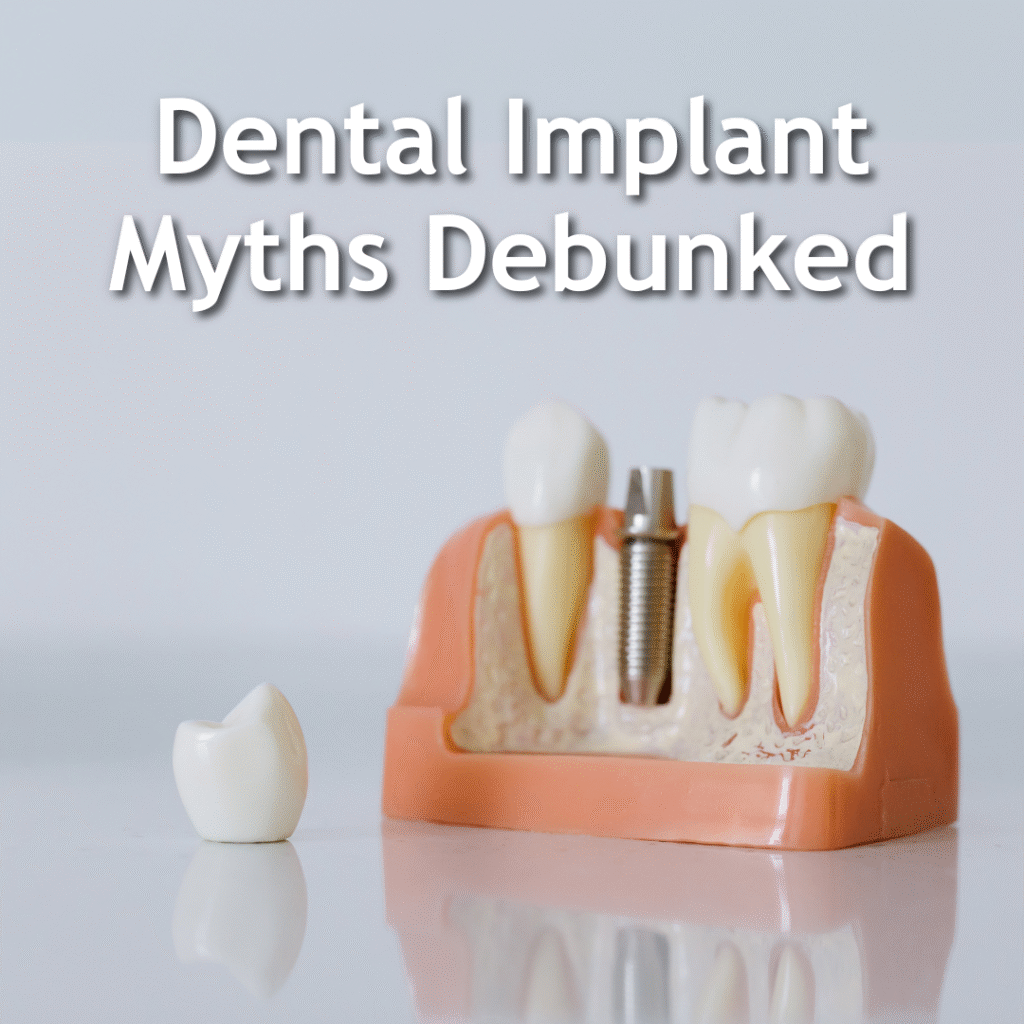
Dental Implant Myths Debunked Dental Implant Myths Debunked: Separating Fact from Fiction Thinking about replacing missing teeth with dental implants? You’ve likely come across a lot of conflicting information. Let’s clear the air. Here are some of the most common dental implant myths, along with the evidence to set the record straight. Myth 1: Dental Implants Are Painful Reality: The procedure is typically comfortable and well-managed with anesthesia or sedation. Most patients report minimal discomfort post-procedure, often less than what’s experienced with a tooth extraction. Recovery is usually quick and manageable with standard pain medication. Myth 2: Dental Implants Are Too Expensive Reality: While there’s a higher upfront cost compared to bridges or dentures, dental implants are a long-term investment. They can last a lifetime with proper care, while other options may require replacement or additional maintenance over time. Many practices offer flexible payment plans to ease the financial burden. Myth 3: Implants Look Fake or Unnatural Reality: Thanks to modern materials and precise cosmetic techniques, implants can be customized to match the shade, shape, and translucency of your natural teeth, making them virtually indistinguishable. Myth 4: Only Older Adults Can Get Dental Implants Reality: Age alone doesn’t determine eligibility. What matters most is jawbone health and overall wellness. Adults of all ages, whether in their 20s, 40s, or 60s, can be excellent candidates as long as they have adequate bone support and good oral health. Myth 5: Dental Implants Require Special Maintenance Reality: Caring for implants is just like caring for natural teeth: brush twice a day, floss daily, and keep up with regular dental check-ups. There’s no need for special cleaning solutions or tools. Myth 6: Dental Implants Have Low Success Rates Reality: Success rates for dental implants are exceptionally high, often above 95% when placed by experienced professionals using modern techniques. Long-term studies confirm their durability and reliability over many years. Why It Matters Don’t let myths hold you back from exploring a life-changing solution. Dental implants not only restore your smile, they support jawbone health, improve chewing ability, and boost confidence. Informed decisions lead to better outcomes. Want to Take the Next Step? Discover whether dental implants are the right option for you. Request your appointment today and schedule a personalized consultation with Modern Dental of Durham:👉 Request an Appointment
Am I a Good Candidate for Invisalign?
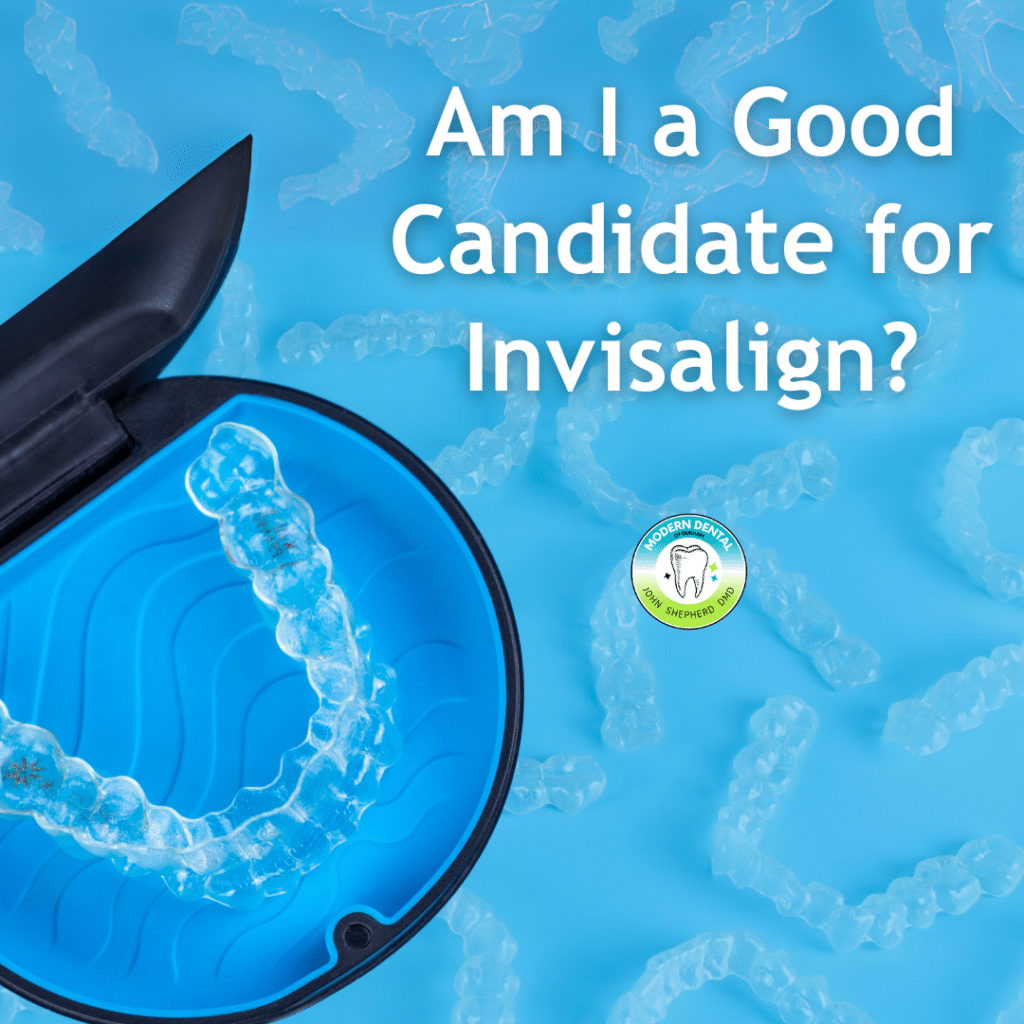
Am I a Good Candidate for Invisalign? Invisalign offers a modern and discreet way to straighten teeth, but it’s not one-size-fits-all. Wondering if it’s right for you? Let’s explore the key factors that determine whether you’re an ideal candidate for this clear aligner treatment. Eligibility Checklist: Who’s a Good Fit? 1. You Have Mild to Moderate Dental Issues Invisalign effectively treats common concerns like crowding, spacing, and minor bite irregularities such as mild overbites or crossbites. However, more complex malocclusions, like severe jaw misalignment or large gaps, may still require traditional braces or surgical options. 2. You Maintain Good Oral Health Your teeth and gums should be healthy before beginning treatment. That means no active gum disease, cavities, or other untreated dental concerns. These conditions must be addressed first to ensure successful Invisalign results. 3. You Can Commit to Wearing Them Consistently Success with Invisalign hinges on wearing your aligners 20–22 hours a day. If this level of consistency isn’t realistic for your lifestyle, the treatment may take longer or not deliver the desired results. 4. Age and Dental Maturity Matter Invisalign works best for teens (who have their full set of permanent teeth) and adults. Children whose jaws are still growing or those missing key adult teeth aren’t ideal candidates. 5. Good Personal Habits Are Essential Smoking, poor hygiene, or forgetting to clean and wear your trays can compromise the treatment. Invisalign requires both commitment and care for consistent progress. Quick Candidate Summary Candidate Criteria Good Fit for Invisalign? Mild to moderate alignment issues Yes Healthy teeth and gums Yes Wears aligners 20–22 hrs/day Yes Fully developed adult dentition Yes (teens & adults) Strong personal commitment Yes Final Thoughts If you match most, or all, of the criteria above, there’s a good chance Invisalign could be an excellent option for achieving a straighter, confident smile. The best way to know for sure? Schedule a consultation with our experienced team to assess your unique needs.