The Truth About Bleeding Gums
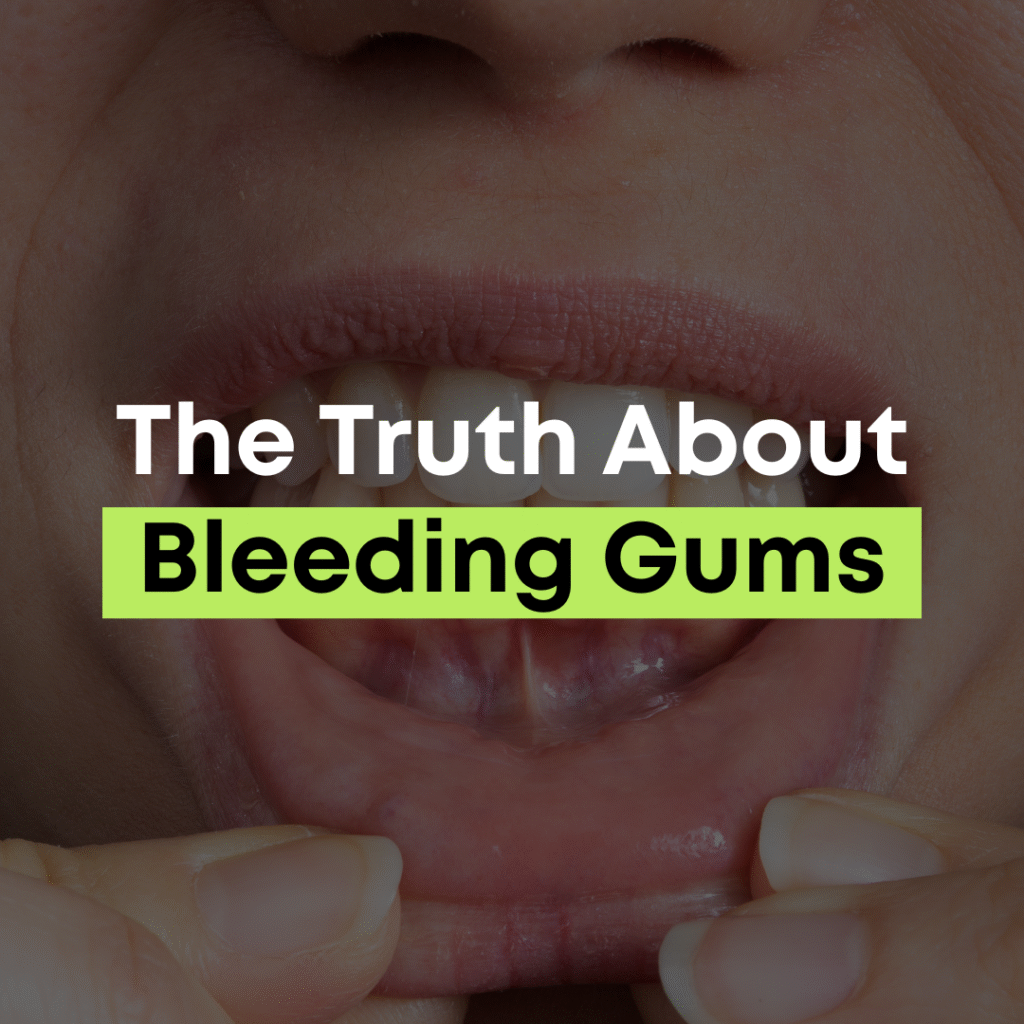
The Truth About Bleeding Gums: What It Means & How to Stop It Have you ever noticed a little pink in the sink after brushing or flossing? While occasional bleeding gums might not seem like a big deal, they could be a sign of something more serious. Ignoring it could lead to bigger dental issues down the road. So, what causes bleeding gums, and how can you stop it? Let’s break it down. What do Bleeding Gums Mean? 1. Gingivitis – The Early Stage of Gum Disease One of the most common causes of bleeding gums is gingivitis, the earliest stage of gum disease. It happens when plaque (a sticky film of bacteria) builds up along the gumline, causing inflammation. Symptoms include: Red, swollen gums Bleeding when brushing or flossing Mild gum tenderness If left untreated, gingivitis can progress into periodontitis, a more serious gum disease that can lead to tooth loss. 2. Brushing Too Hard Aggressive brushing might seem like a good way to keep teeth clean, but it can actually harm your gums. Using a hard-bristled toothbrush or applying too much pressure can cause irritation and bleeding. A soft-bristled toothbrush and gentle, circular motions are the best approach. 3. Poor Flossing Habits If you only floss occasionally, your gums might bleed when you start doing it regularly. This is because they’re not used to the stimulation. The good news? If you keep up with daily flossing, your gums will strengthen and the bleeding should stop within a few days. 4. Vitamin Deficiencies A lack of vitamin C and vitamin K can make gums more prone to bleeding. These vitamins help with gum health and blood clotting, so a deficiency can make the issue worse. 5. Medications That Affect Blood Clotting Certain medications, like blood thinners (e.g., aspirin, warfarin), can make your gums more likely to bleed. If you’re noticing excessive bleeding, talk to your dentist or doctor about possible alternatives. 6. Hormonal Changes Pregnancy, menopause, and even puberty can make gums more sensitive due to hormonal changes. This can lead to increased inflammation and bleeding, a condition known as pregnancy gingivitis. How to Stop Bleeding Gums Brush with a Soft-Bristled Toothbrush – This helps prevent irritation while keeping your teeth clean. Floss Daily – Even if your gums bleed at first, regular flossing strengthens them over time. Use an Antibacterial Mouthwash – This helps kill bacteria and reduce inflammation. Look for mouthwashes with chlorhexidine or essential oils for the best results. Improve Your Diet – Eat more vitamin C-rich foods (oranges, strawberries, bell peppers) and vitamin K-rich foods (leafy greens, broccoli) to support gum health. Stay Hydrated – Drinking water helps wash away food particles and bacteria that can cause gum irritation. Schedule Regular Dental Checkups – A professional cleaning removes plaque and tartar buildup that brushing alone can’t handle. When to See a Dentist If your gums continue to bleed despite improving your oral care routine, or if you experience persistent bad breath, receding gums, or loose teeth, it’s time to see a dentist. These could be signs of advanced gum disease that require professional treatment. Final Thoughts Bleeding gums aren’t something to ignore, they’re a warning sign that your gums need attention. The good news? With proper oral hygiene and a few simple lifestyle changes, you can stop the bleeding and keep your gums healthy for years to come. Need a checkup? Schedule an appointment with us!
The Truth About Cavities
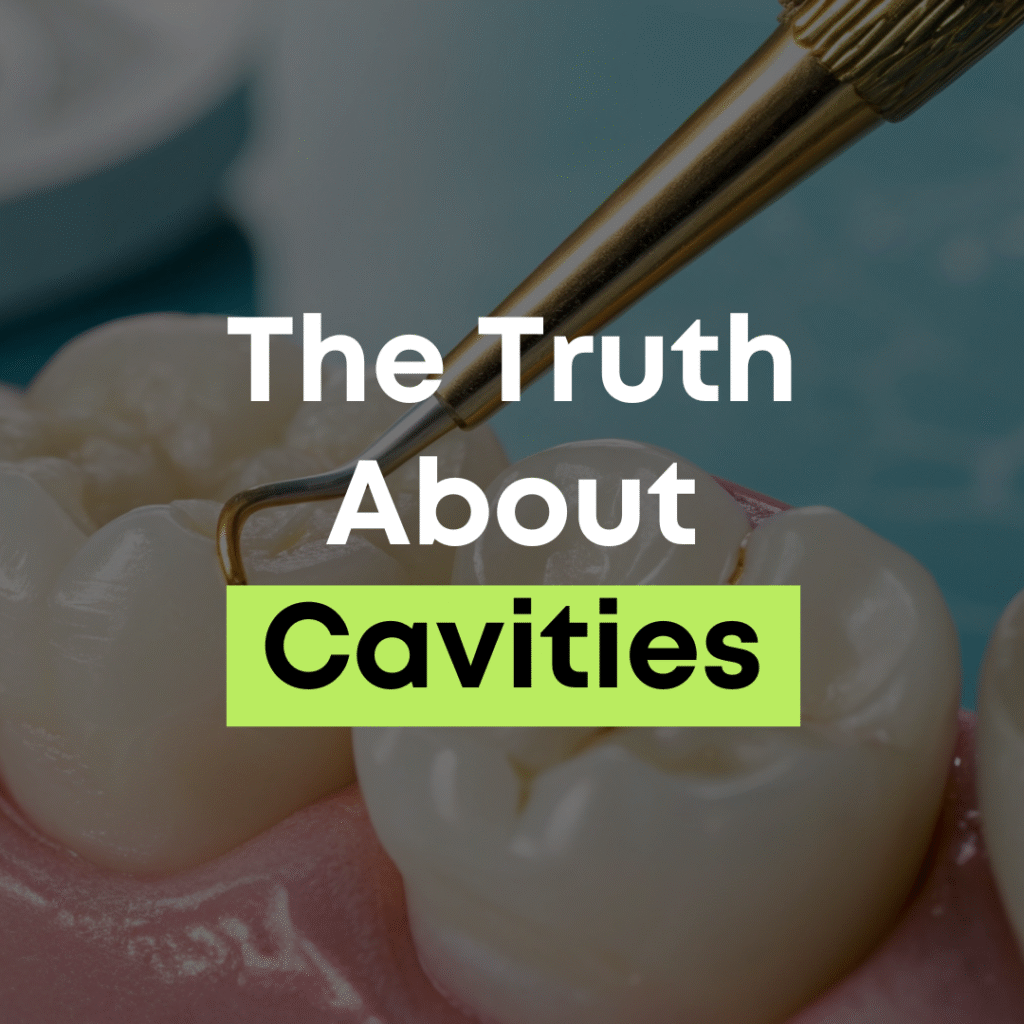
The Truth About Cavities: Causes, Myths & Prevention Tips Cavities. They’re one of the most common dental problems, yet also one of the most misunderstood. You may think cavities only come from eating too much candy or that you’ll always feel them if they’re forming. The truth is, cavities can be sneaky, preventable, and even reversible in their early stages, if you know the facts. At Modern Dental of Durham, we believe education is just as important as treatment. Let’s clear up some myths and give you practical tips to help keep your smile cavity-free. What are Cavities? A cavity is a hole or area of decay that forms in your tooth when plaque (a sticky film of bacteria) isn’t properly removed. The bacteria feed on sugars from your food and drinks, producing acids that wear away the tooth enamel. Over time, this leads to decay and eventually a cavity. If untreated, a cavity can grow larger, cause pain, and even lead to infection or tooth loss. Common Myths MYTH 1: Only Sugar Causes Cavities While sugar definitely contributes, it’s not the only culprit. Starchy foods (like chips or bread) also break down into sugars and feed bacteria. MYTH 2: You’ll Always Feel a Cavity Not true. Many cavities start painlessly. By the time you feel sensitivity or pain, the decay has likely reached deeper layers of your tooth. MYTH 3: Kids Get More Cavities Than Adults While children are certainly at risk, adults often develop cavities too, especially around old fillings, receding gums, or if dry mouth is an issue. MYTH 4: Brushing Alone Will Prevent Cavities Brushing helps, but it’s not enough. Flossing, limiting snacking, and regular dental cleanings are essential for full cavity prevention. Proven Ways to Prevent Cavities 1. Brush & Floss Consistently Brush twice a day with fluoride toothpaste and floss at least once daily. Don’t forget to clean along the gumline and between teeth where your brush can’t reach. 2. Drink Plenty of Water Water helps rinse away food particles and keeps saliva levels up. Saliva is your mouth’s natural defense against cavity-causing bacteria. 3. Limit Sugary Snacks & Drinks Sipping soda or snacking all day feeds cavity-causing bacteria. Try to eat at set times and choose tooth-friendly snacks like cheese, nuts, or fresh vegetables. 4. Use Fluoride Products Fluoride strengthens tooth enamel and helps reverse early signs of decay. Ask your dentist about fluoride rinses or in-office treatments if you’re at high risk. 5. Get Regular Dental Checkups Cavities caught early are easier and cheaper to treat. At Modern Dental of Durham, we use digital X-rays and thorough exams to detect even the smallest signs of trouble. Don’t Wait for the Pain Whether you’re due for a checkup or just want to improve your oral care routine, we’re here to help you stay ahead of cavities and keep your smile strong for life. Request an appointment today with Modern Dental of Durham, and take the next step toward a healthier, cavity-free smile.
What is Gum Disease?
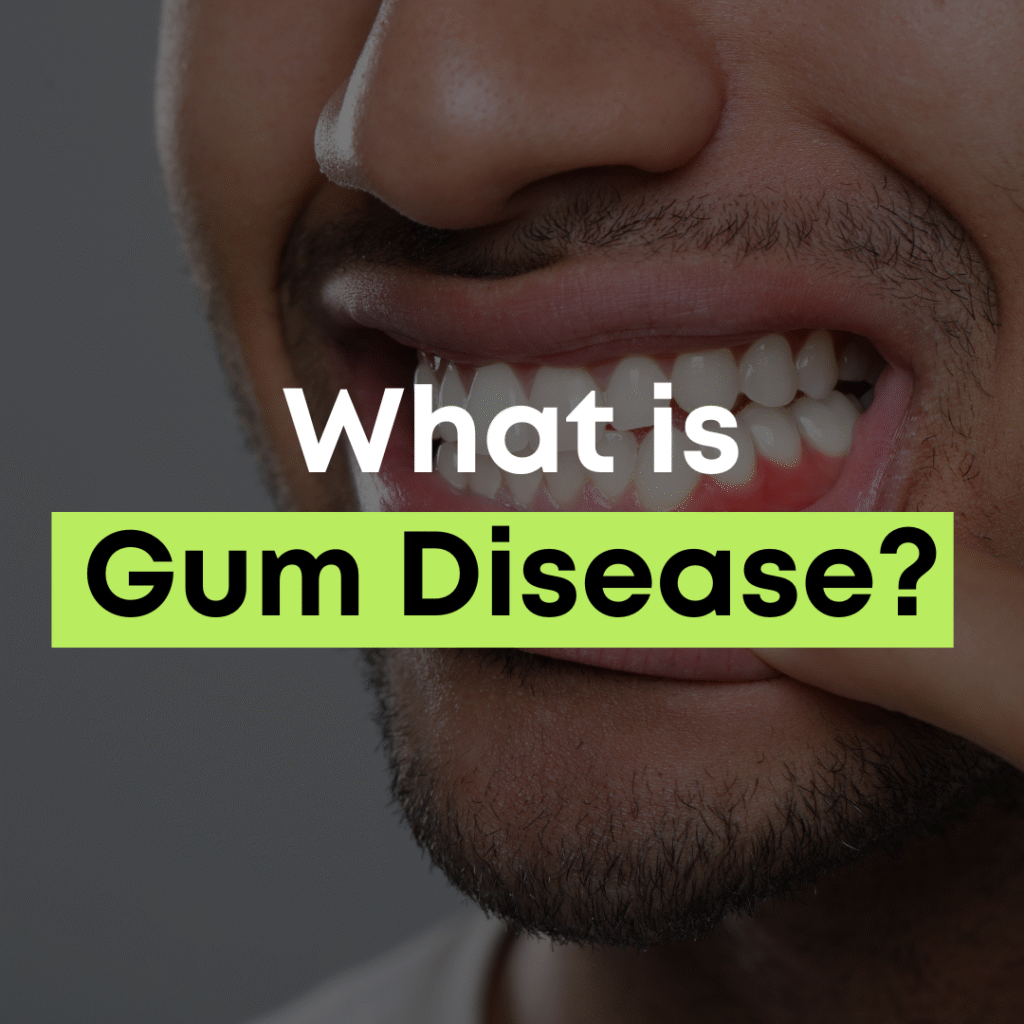
What Is Gum Disease? Symptoms, Causes, Treatment & Prevention Gum disease, also known as periodontal disease, is one of the most common dental health issues among adults. Despite being widespread, it’s also highly preventable and treatable, especially when detected early. If you’ve noticed bleeding gums, persistent bad breath, or gum recession, you may be experiencing signs of periodontal disease. Here’s what you need to know to protect your smile. Image by: fightgumdisease.com What Is Gum Disease? Gum disease is an infection of the tissues surrounding and supporting your teeth. It starts as gingivitis, mild inflammation of the gums, and can progress to periodontitis, a more severe form that can lead to tooth loss if left untreated. What Causes Gum Disease? Periodontal disease is primarily caused by plaque, a sticky film of bacteria that forms on your teeth. When plaque is not removed through daily brushing and flossing, it hardens into tartar, leading to irritation and infection of the gums. Other common causes and risk factors include: Poor oral hygiene habits Smoking or tobacco use Hormonal changes (pregnancy, menopause) Certain illnesses (such as diabetes or cancer) Medications that reduce saliva flow Genetics Symptoms of Gum Disease Early detection is key. If you notice any of the following symptoms, it’s time to schedule a dental check-up: Red, swollen, or tender gums Bleeding when brushing or flossing Persistent bad breath (halitosis) Receding gums Loose or shifting teeth Pain when chewing A change in your bite or the way your teeth fit together How Is Gum Disease Treated? Treatment depends on the stage of the disease. The earlier it’s caught, the easier it is to treat. Common gum disease treatments include: Professional dental cleanings – Remove plaque and tartar buildup Scaling and root planing – A deep cleaning procedure that cleans below the gumline Antibiotic therapy – Topical or oral antibiotics to eliminate bacteria Surgical treatments – For advanced cases, procedures like flap surgery or bone grafts may be necessary Learn more about treatment options from the American Dental Association. How to Prevent Gum Disease The best way to fight periodontal disease is to stop it before it starts. Here’s how: Brush your teeth twice a day with fluoride toothpaste Floss daily to remove plaque between teeth Use an antibacterial mouthwash Avoid smoking and tobacco products Eat a healthy diet low in sugar Visit your dentist twice a year for professional cleanings and checkups For more prevention tips, check out this helpful guide from the Centers for Disease Control and Prevention (CDC). Don’t Ignore the Signs. Protect Your Smile Today At Modern Dental of Durham, we’re here to help you maintain a healthy, confident smile. If you’re experiencing symptoms of periodontal disease or just want to stay ahead of your oral health, don’t wait. 📞 Call us today at 919-544-3723 💻 Or request an appointment online at moderndentalofdurham.com/request-an-appointment
Common Causes of Tooth Pain
Why Does My Tooth Hurt? Common Causes of Tooth Pain and What to Do Tooth pain can stop you in your tracks. Whether it’s a dull ache, sharp jolt, or constant throbbing, tooth pain is your body’s way of telling you something’s wrong. Understanding the cause of your discomfort is the first step toward relief, and Modern Dental of Durham is here to help. In this post, we’ll explore the most common reasons your tooth might hurt, how to treat it, and when to call your dentist. Tooth Pain: Common Causes Not all toothaches are the same, and the cause can range from mild sensitivity to serious infection. Here are the most frequent culprits: 1. Tooth Decay (Cavities) Caused by plaque and bacteria breaking down enamel Pain usually increases with exposure to hot, cold, or sweet foods Can worsen if left untreated 2. Gum Disease (Gingivitis or Periodontitis) Inflammation or infection of the gums can cause aching teeth Often accompanied by bleeding, swelling, or receding gums May lead to bone and tooth loss if untreated 👉 Learn more about gum disease symptoms and treatment here 3. Tooth Abscess (Infection) A severe, throbbing pain caused by an untreated cavity or gum infection May come with swelling, fever, or a bad taste in the mouth Requires immediate dental care 4. Tooth Sensitivity Caused by worn enamel, exposed roots, or whitening products Pain triggered by hot, cold, sweet, or acidic foods and drinks Often treated with special toothpaste or fluoride treatments 5. Cracked or Fractured Tooth Pain when chewing or biting May be hard to spot without X-rays Can lead to further damage if not treated promptly 6. Impacted Wisdom Teeth Pain or pressure at the back of the jaw Swelling, redness, or difficulty opening the mouth Common in teens and young adults 7. Teeth Grinding (Bruxism) Can cause jaw soreness, headaches, and worn teeth Often occurs during sleep or stressful periods A mouthguard or stress management may help 8. Sinus Infection Sometimes sinus pressure can mimic tooth pain in the upper back teeth Often accompanied by nasal congestion or pressure around the eyes 9. Damaged Fillings or Dental Work Older or loose fillings/crowns can expose sensitive tooth structures Can cause sharp or throbbing pain with temperature changes When to See a Dentist Tooth pain that lasts more than a day or two, worsens over time, or comes with swelling or fever should never be ignored. 👉 According to the American Dental Association, timely dental care can prevent more serious complications and save your tooth. How Modern Dental of Durham Can Help Our compassionate team will perform a thorough evaluation to find the root cause of your tooth pain and recommend the best course of treatment. Whether you need a simple filling, root canal, or gum treatment, we’ll get you smiling again, pain-free. Tooth Pain: Don’t Wait, Get Relief Today If you’re dealing with tooth pain, don’t tough it out. Early treatment can prevent bigger problems (and bigger bills) later. 📞 Call Modern Dental of Durham at 919-544-3723 or request an appointment online at moderndentalofdurham.com/request-an-appointment