What to Do If You Have a Toothache: Advice from a Durham Dentist
What to Do If You Have a Toothache: Advice from a Durham Dentist Why Toothaches Should Never Be Ignored A toothache is one of the most common dental problems people experience. While some discomfort may seem minor at first, tooth pain is often a signal that something is wrong. If you are experiencing tooth pain, understanding the cause and seeking proper toothache relief in Durham can help prevent the issue from becoming more serious. At Modern Dental of Durham, many patients visit the dentist because of sudden or persistent tooth pain. Common Causes of Toothaches Several dental conditions can lead to tooth pain. Identifying the cause is the first step toward effective treatment. Some of the most common causes include: Tooth decay or cavities Gum infection or gum disease Cracked or damaged teeth Tooth abscess or infection Worn enamel or tooth sensitivity Each of these issues may require professional treatment to fully resolve the discomfort. If you need consultation, book an appointment here How to Get Temporary Toothache Relief at Home While home remedies cannot replace dental treatment, they may help reduce discomfort until you see a dentist. Some ways to manage tooth pain temporarily include: Rinsing your mouth with warm salt water Using a cold compress to reduce swelling Taking over-the-counter pain relievers Avoiding extremely hot or cold foods These methods may provide short-term toothache relief in Durham, but they do not treat the underlying dental problem. When to See a Durham Dentist for Tooth Pain Some toothaches require immediate dental care. Delaying treatment can allow the problem to worsen and potentially lead to infection. You should schedule a dental visit if you experience: Severe or persistent tooth pain Swelling in the gums or jaw Sensitivity that does not go away Fever or signs of infection Pain when biting or chewing Dentists can diagnose the cause of your pain and recommend the best treatment. Dental Treatments for Toothaches Depending on the cause of your tooth pain, your dentist may recommend different treatment options. Common treatments include: Dental fillings for cavities Root canal treatment for infected teeth Treatment for gum disease Repair of cracked or damaged teeth Receiving proper care early helps restore comfort and protect your oral health. According to the American Dental Association, untreated dental infections can spread and lead to more serious health complications. Preventing Future Toothaches While some dental problems happen unexpectedly, good oral hygiene habits can reduce the risk of tooth pain. To protect your teeth: Brush your teeth twice a day Floss daily Avoid excessive sugar consumption Schedule regular dental checkups Routine dental visits allow dentists to detect issues before they cause pain. When Tooth Pain Means a Dental Emergency In some situations, a toothache may signal a dental emergency. Severe infection, swelling, or intense pain should be evaluated as soon as possible. If you are experiencing serious tooth pain, seeking toothache relief in Durham from a professional dentist can prevent complications and restore your comfort. Get Toothache Relief in Durham Tooth pain can disrupt your daily life, but early treatment can help resolve the problem quickly. If you are experiencing tooth discomfort or need toothache relief in Durham, the team at Modern Dental of Durham can help diagnose the issue and recommend the right treatment. Learn more or schedule an appointment here
How Often Should You Visit the Dentist? A Durham Dentist Explains
Why Regular Dental Visits Matter How often should you visit the dentist? Many people only schedule a dental visit when something hurts. Regular dental checkups help detect cavities, gum disease, and other oral health issues early. Regular dental checkups allow dentists to identify small problems before they become major issues. Cavities, gum disease, and enamel wear often develop slowly. Without routine exams, these conditions may go unnoticed until they require more complex treatment. At Modern Dental of Durham, preventive care is a key part of maintaining long-term oral health. Routine visits help ensure your smile stays healthy and strong. How Often Should You Visit the Dentist for a Checkup? For most people, dentists recommend visiting every six months for a dental checkup and professional cleaning. These visits allow your dentist to: Remove plaque and tartar buildup Check for early signs of cavities Monitor gum health Screen for oral health concerns Provide personalized dental advice Professional cleanings also help remove buildup that regular brushing and flossing cannot fully eliminate. Most dentists agree that how often you should visit the dentist depends on your oral health, lifestyle, and risk for dental problems. Some Patients May Need More Frequent Visits While twice a year works for many patients, some individuals benefit from more frequent dental visits. Your dentist may recommend additional appointments if you have: Gum disease or early signs of gum inflammation A history of frequent cavities Diabetes or other medical conditions affecting oral health Braces or other orthodontic appliances A weakened immune system Regular monitoring helps prevent complications and keeps treatment manageable. Understanding how often you should visit the dentist helps prevent cavities, gum disease, and expensive dental treatments later. What Happens During a Routine Dental Visit? A typical dental appointment includes both a professional cleaning and a thorough examination. During your visit, the dental team may: Examine your teeth and gums Remove plaque and tartar buildup Polish your teeth for a smooth finish Take dental X-rays when needed Discuss any oral health concerns These steps help ensure that potential problems are caught early, often before symptoms appear. Preventive Dentistry Saves Time and Money Preventive care is not just about protecting your smile. It can also help you avoid costly dental procedures in the future. Small issues such as minor cavities are much easier to treat when detected early. Without regular dental visits, these problems can develop into more serious conditions requiring fillings, crowns, or root canal treatment. Maintaining a consistent dental schedule helps reduce the risk of advanced dental problems. Signs You Should Schedule a Dental Visit Sooner Even if you recently had a checkup, certain symptoms should prompt a dental visit. Contact your dentist if you experience: Tooth pain or sensitivity Bleeding gums when brushing or flossing Persistent bad breath Loose or shifting teeth Jaw discomfort Early evaluation can help identify the cause and prevent the issue from worsening. Tips for Maintaining Good Oral Health Between Visits Dental visits are important, but daily habits also play a major role in oral health. To keep your teeth healthy between appointments: Brush your teeth twice a day Floss daily to remove plaque between teeth Limit sugary foods and drinks Drink plenty of water Replace your toothbrush every three to four months Combining strong daily habits with regular dental visits helps maintain a healthy smile. FAQ About Dental Visits Is visiting the dentist every six months really necessary? For most patients, yes. Routine visits allow dentists to detect issues early and provide professional cleaning that supports long-term oral health. What if my teeth feel fine? Dental problems do not always cause immediate symptoms. Regular checkups help identify concerns before they become painful or more complicated. Do children need dental checkups as often as adults? Yes. Children benefit from regular dental visits to monitor development and maintain healthy teeth as they grow. Protect Your Smile with Regular Dental Care Routine dental visits are one of the easiest ways to protect your oral health and prevent future problems. A consistent schedule allows dentists to monitor changes, address concerns early, and keep your smile looking its best. If it has been a while since your last dental checkup, scheduling an appointment can help you stay on track with your oral health. If you are looking for a trusted local dentist, learn more about preventive care at Modern Dental of Durham.
The Link Between Oral Health and Overall Health
The Link Between Oral Health and Overall Health: Why Your Mouth Matters More Than You Think The link between oral health and overall health is stronger than you think. When most people think about dental care, they think about teeth, gums, and their smile. But oral health is closely connected to your overall health, and what happens in your mouth can impact your entire body. How oral health affects the rest of your body Your mouth is the gateway to your body. Bacteria from untreated oral conditions can enter the bloodstream and contribute to inflammation elsewhere. Research has shown links between poor dental health and several systemic conditions, including: Heart disease Diabetes Respiratory infections Pregnancy complications According to the Centers for Disease Control and Prevention (CDC), gum disease has been associated with chronic health conditions that affect millions of adults in the United States. The connection between gum disease and heart health Gum disease (periodontitis) causes chronic inflammation. That inflammation doesn’t stay confined to the mouth. Studies suggest: Dental bacteria can enter the bloodstream Inflammation may contribute to plaque buildup in arteries Patients with gum disease may have a higher risk of cardiovascular issues The American Heart Association notes that while gum disease doesn’t directly cause heart disease, the two share common risk factors, and maintaining oral health is an important part of overall wellness. Oral health and diabetes: a two-way relationship Diabetes and dental health are closely linked, and each can affect the other. Diabetes can make it harder to fight oral infections Gum disease can make blood sugar harder to control Untreated oral infections may worsen diabetic complications The National Institutes of Health (NIH) reports that managing gum health can help improve blood sugar control in patients with diabetes. How Oral health impacts pregnancy and immune health Hormonal changes during pregnancy can increase the risk of gum inflammation. If left untreated, oral infections may affect pregnancy outcomes. Good oral care can help: Reduce the risk of pregnancy-related gum disease Support immune system health Lower the chance of oral infections spreading Routine dental checkups are considered safe and beneficial during pregnancy when coordinated with your healthcare providers. Why preventive dental care matters Regular dental visits help detect issues early, before they impact more than just your teeth. Preventive care supports: Early detection of gum disease Reduced inflammation in the body Better long-term health outcomes At Modern Dental of Durham, exams and cleanings are designed to protect both your smile and your overall health. Simple ways to support oral health and overall health Healthy habits make a difference. Patients are encouraged to: Brush twice daily with fluoride toothpaste Floss once a day Maintain regular dental checkups Address gum bleeding or discomfort early Share medical history changes with your dentist Dental health is not separate from your body, it’s part of it. Take a proactive step toward better health Your dental health plays a bigger role in your overall wellness than you might realize. Preventive care today can help reduce health risks tomorrow. 👉 Schedule a dental checkup with Modern Dental of Durham today Our team is here to support your smile, and your health, every step of the way.
Common Concerns About Dental Implants
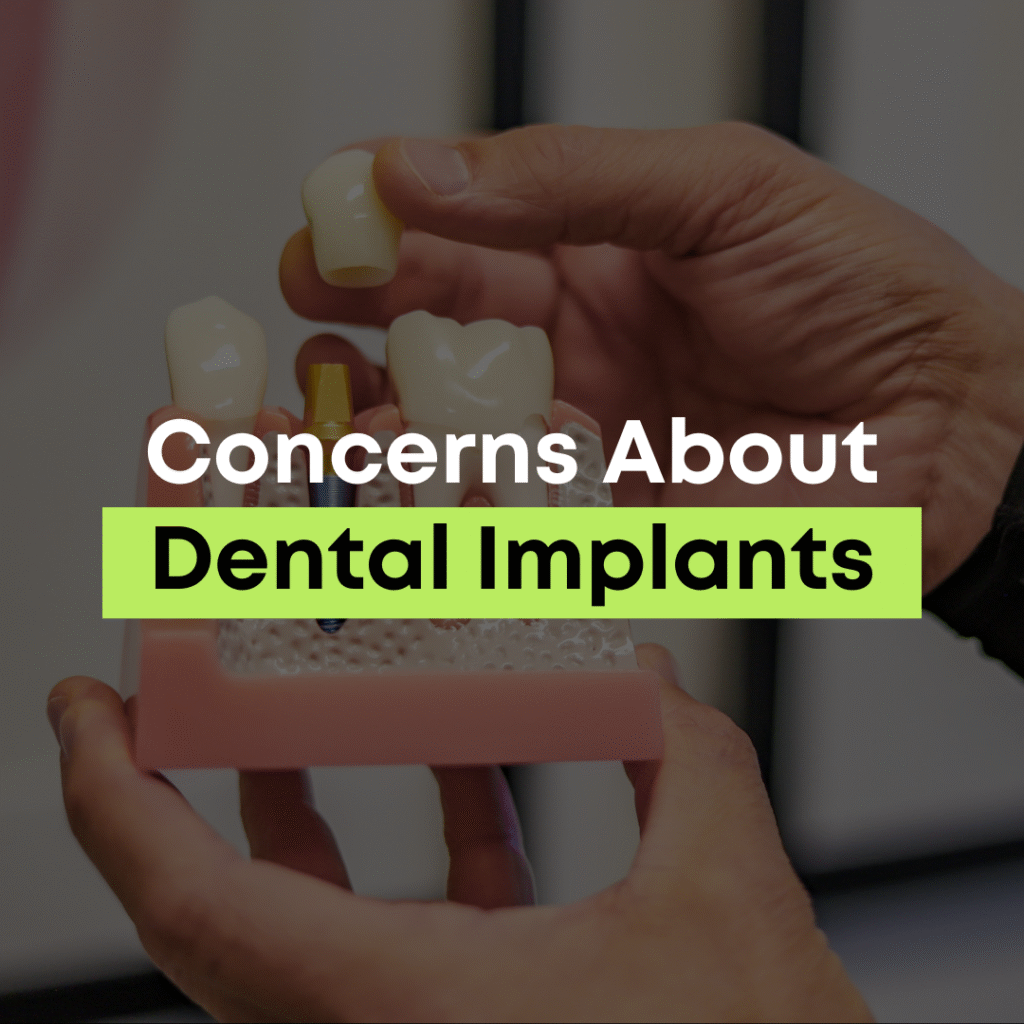
Common Concerns About Dental Implants Concerns about dental implants are common! If you’re missing one or more teeth, dental implants are often recommended as a long-term solution. Still, many patients hesitate, and that’s completely normal. Questions about pain, cost, safety, and recovery are some of the most common concerns we hear at Modern Dental of Durham. “Will getting a dental implant hurt?” One of the biggest fears patients have is pain. The reality? Most patients report less discomfort than expected. Dental implant placement is performed using local anesthesia Many patients compare post-procedure soreness to a tooth extraction Over-the-counter pain relievers are often enough during recovery According to the American Academy of Implant Dentistry, dental implant procedures have a high comfort and satisfaction rate among patients, especially when placed by experienced dental professionals. “Are dental implants safe?” Yes, dental implants are considered one of the safest and most successful procedures in modern dentistry. Research published by the National Institutes of Health (NIH) shows dental implant success rates of 95% or higher in healthy patients.² Key factors that support safety include: Use of biocompatible titanium Precise digital imaging and planning Proper oral hygiene and follow-up care At Modern Dental of Durham, treatment plans are customized to your oral health, medical history, and long-term goals. “What if I’m not a good candidate?” Many patients assume they aren’t eligible for dental implants, but that’s often not the case. You may still qualify even if you: Have been missing teeth for years Previously wore dentures or bridges Have mild bone loss (bone grafting may be an option) A consultation allows your dentist to evaluate bone density, gum health, and overall oral conditions before making recommendations. “Why are dental implants more expensive than other options?” Dental implants may have a higher upfront cost, but they’re designed to be a long-term investment. Compared to dentures or bridges, implants: Do not rely on neighboring teeth for support Help prevent jawbone loss Can last decades with proper care The Cleveland Clinic notes that dental implants often cost less over time because they don’t need frequent replacement like other tooth-replacement options. “How long is recovery?” Recovery is usually straightforward and happens in stages. Most patients return to normal activities within 1–2 days The implant integrates with the jawbone over several months Temporary restorations may be used during healing Your dental team will provide clear aftercare instructions to support comfort and healing every step of the way. Research-backed benefits of dental implants Dental implants offer more than just a restored smile. Studies show they help: Preserve jawbone structure Improve chewing efficiency and speech Support long-term oral health Boost confidence and quality of life A comprehensive review published in the Journal of Oral Implantology highlights implants as the gold standard for replacing missing teeth. Ready to explore your options? Choosing dental implants is a personal decision, and having the right information matters. If you’re curious whether implants are right for you, a consultation is the best next step. 👉 Schedule a dental implant consultation with Modern Dental of Durham today:https://www.moderndentalofdurham.com/request-an-appointment
Invisalign Treatment vs Braces
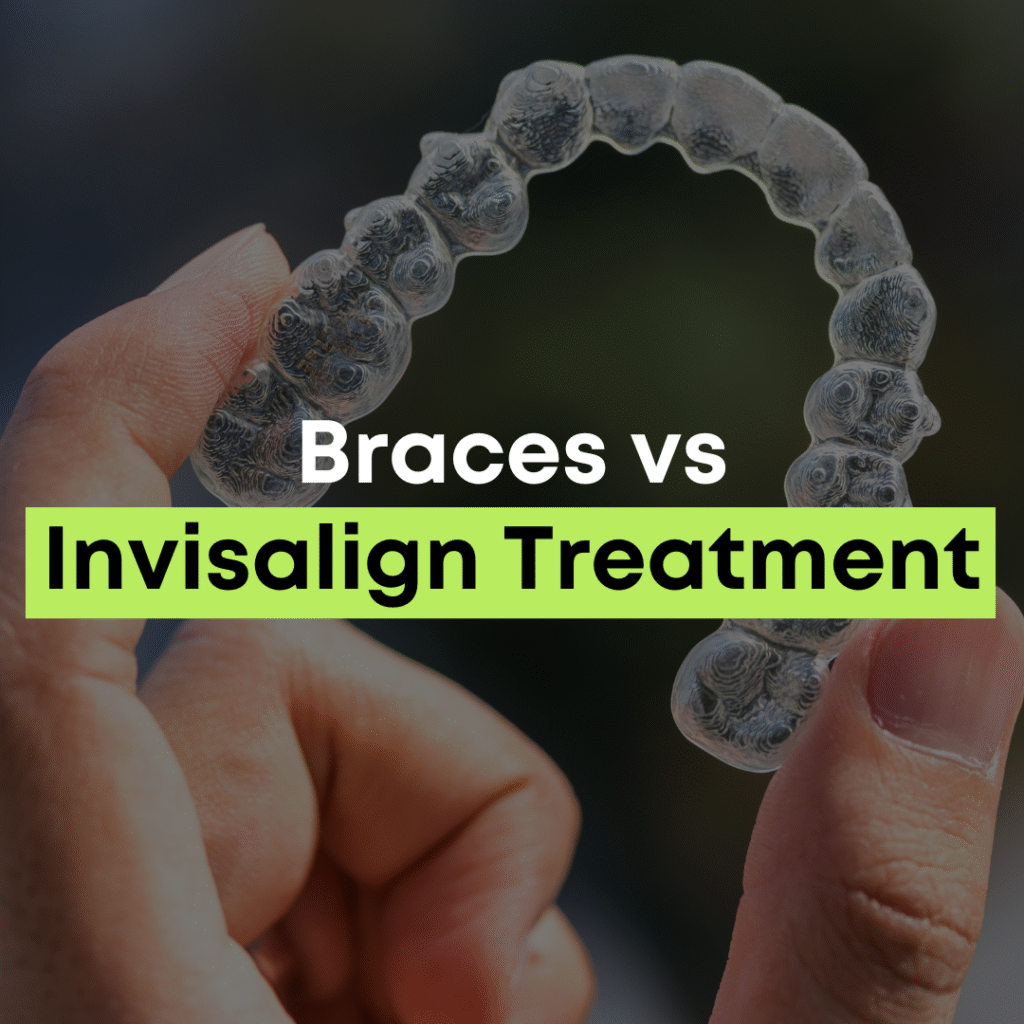
Invisalign Treatment vs Braces Many people are wondering which is better for them: Invisalign Treatment vs braces? A straighter smile is within reach without the hassle of metal brackets and wires. Many people seeking orthodontic treatment turn to Invisalign aligners as a modern solution for correcting misaligned teeth. But what exactly is Invisalign treatment, and how does it compare to traditional braces? What Is Invisalign Treatment vs Braces? Invisalign treatment is an orthodontic method that uses a series of clear, removable aligners to gradually shift teeth into proper alignment. Unlike traditional braces, which rely on metal brackets and wires, this system provides a nearly invisible way to straighten teeth without significant lifestyle disruptions. How Does Invisalign Treatment vs Braces Work? The process begins with a consultation, where a dentist or orthodontist assesses the patient’s teeth and creates a customized treatment plan. Using advanced 3D imaging technology, a series of clear aligners is designed to move teeth into their desired positions. Each set of aligners is worn for about 20-22 hours per day and changed every one to two weeks. Over time, the subtle adjustments apply controlled pressure, guiding the teeth into better alignment. Unlike metal braces, which require regular tightening, the progression happens through the sequential use of new aligners. Invisalign Treatment vs. Braces: Key Differences When considering orthodontic treatment, patients often wonder how Invisalign treatment compares to traditional braces. Here’s a breakdown of the key differences: 1. Aesthetic Appeal Invisalign aligners are clear and nearly invisible, making them a more discreet option compared to metal braces. For individuals concerned about the appearance of braces, the transparent design offers a subtle alternative. 2. Comfort & Convenience Metal braces can cause discomfort due to brackets and wires, which may irritate the gums and cheeks. Invisalign aligners, made of smooth plastic, are generally more comfortable and eliminate the need for adjustments with metal components. 3. Eating & Oral Hygiene Traditional braces come with dietary restrictions since certain foods can damage the brackets or get stuck in wires. With Invisalign treatment, aligners are removable, allowing patients to eat freely and maintain normal brushing and flossing habits. 4. Treatment Duration The length of treatment depends on the complexity of the case. Invisalign treatment typically takes 12-18 months, while traditional braces may be needed for a longer period, depending on the severity of misalignment. 5. Suitability for Complex Cases Traditional braces are often more effective for severe misalignments, complex bite issues, or cases requiring extensive movement. Invisalign treatment works best for mild to moderate corrections but continues to evolve to address a wider range of orthodontic needs. Is Invisalign Treatment Right for You? Choosing between Invisalign treatment and traditional braces depends on individual needs, lifestyle, and orthodontic goals. While clear aligners offer a discreet and convenient way to straighten teeth, some cases may still require conventional braces for optimal results. Consulting a dentist or orthodontist is the best way to determine the right approach for a healthier, more confident smile. For a free consultation, give Modern Dental of Durham a call at 919-544-3723!
The Truth About Bleeding Gums
The Truth About Bleeding Gums: What It Means & How to Stop It Have you ever noticed a little pink in the sink after brushing or flossing? While occasional bleeding gums might not seem like a big deal, they could be a sign of something more serious. Ignoring it could lead to bigger dental issues down the road. So, what causes bleeding gums, and how can you stop it? Let’s break it down. What do Bleeding Gums Mean? 1. Gingivitis – The Early Stage of Gum Disease One of the most common causes of bleeding gums is gingivitis, the earliest stage of gum disease. It happens when plaque (a sticky film of bacteria) builds up along the gumline, causing inflammation. Symptoms include: Red, swollen gums Bleeding when brushing or flossing Mild gum tenderness If left untreated, gingivitis can progress into periodontitis, a more serious gum disease that can lead to tooth loss. 2. Brushing Too Hard Aggressive brushing might seem like a good way to keep teeth clean, but it can actually harm your gums. Using a hard-bristled toothbrush or applying too much pressure can cause irritation and bleeding. A soft-bristled toothbrush and gentle, circular motions are the best approach. 3. Poor Flossing Habits If you only floss occasionally, your gums might bleed when you start doing it regularly. This is because they’re not used to the stimulation. The good news? If you keep up with daily flossing, your gums will strengthen and the bleeding should stop within a few days. 4. Vitamin Deficiencies A lack of vitamin C and vitamin K can make gums more prone to bleeding. These vitamins help with gum health and blood clotting, so a deficiency can make the issue worse. 5. Medications That Affect Blood Clotting Certain medications, like blood thinners (e.g., aspirin, warfarin), can make your gums more likely to bleed. If you’re noticing excessive bleeding, talk to your dentist or doctor about possible alternatives. 6. Hormonal Changes Pregnancy, menopause, and even puberty can make gums more sensitive due to hormonal changes. This can lead to increased inflammation and bleeding, a condition known as pregnancy gingivitis. How to Stop Bleeding Gums Brush with a Soft-Bristled Toothbrush – This helps prevent irritation while keeping your teeth clean. Floss Daily – Even if your gums bleed at first, regular flossing strengthens them over time. Use an Antibacterial Mouthwash – This helps kill bacteria and reduce inflammation. Look for mouthwashes with chlorhexidine or essential oils for the best results. Improve Your Diet – Eat more vitamin C-rich foods (oranges, strawberries, bell peppers) and vitamin K-rich foods (leafy greens, broccoli) to support gum health. Stay Hydrated – Drinking water helps wash away food particles and bacteria that can cause gum irritation. Schedule Regular Dental Checkups – A professional cleaning removes plaque and tartar buildup that brushing alone can’t handle. When to See a Dentist If your gums continue to bleed despite improving your oral care routine, or if you experience persistent bad breath, receding gums, or loose teeth, it’s time to see a dentist. These could be signs of advanced gum disease that require professional treatment. Final Thoughts Bleeding gums aren’t something to ignore, they’re a warning sign that your gums need attention. The good news? With proper oral hygiene and a few simple lifestyle changes, you can stop the bleeding and keep your gums healthy for years to come. Need a checkup? Schedule an appointment with us!
The Best Age for Invisalign Treatment
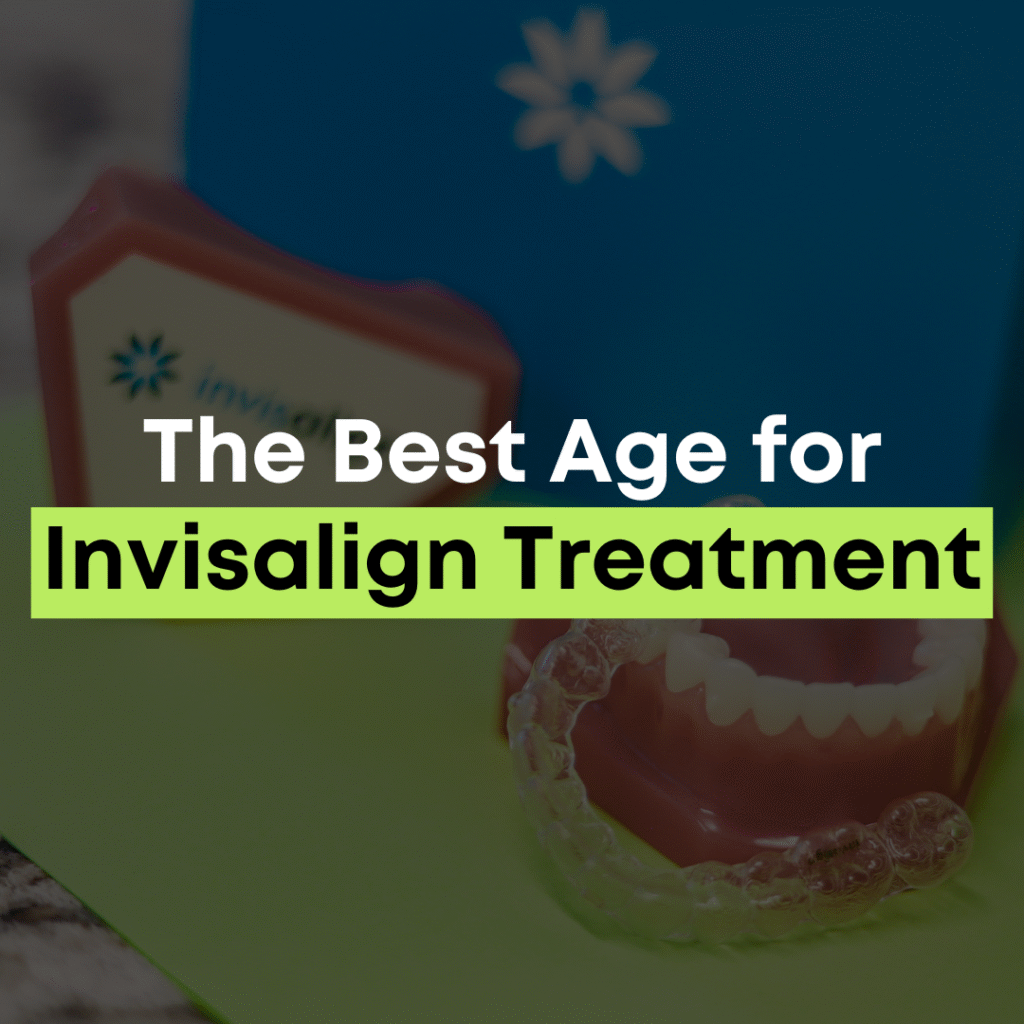
The Best Age for Invisalign Treatment A straight, confident smile is something people of all ages desire, and Invisalign treatment has become one of the most popular solutions for achieving it. Unlike traditional braces, Invisalign aligners are clear, removable, and comfortable, making them a great choice for a variety of patients. But when is the best age for Invisalign treatment? At Modern Dental of Durham, we’re here to help you determine the ideal time to begin your smile transformation. Invisalign for Teens (Ages 12-18) For many patients, the teen years are the perfect time to start Invisalign treatment. By this age, most or all of the permanent teeth have erupted, and the jaw is still growing, making it easier to guide teeth into their ideal positions. Benefits of Invisalign for teens include: ✔ Discreet Treatment – Clear aligners are nearly invisible, boosting confidence during school and social activities. ✔ Removable Convenience – Teens can take out aligners to eat, brush, and floss, promoting better oral hygiene. ✔ Effective for Mild to Moderate Issues – Invisalign can correct gaps, crowding, and bite issues effectively. Invisalign Treatment for Young Adults (Ages 18-30) Many young adults choose Invisalign to achieve a perfect smile while maintaining a professional appearance. This age group benefits from: ✔ Increased Responsibility – Young adults are more likely to wear aligners as directed. ✔ Flexibility – No dietary restrictions like with metal braces. ✔ Confidence Boost – A straighter smile can enhance self-esteem in personal and professional settings. Invisalign Treatment for Adults (30+) It’s never too late for a smile transformation! Many adults seek Invisalign Treatment for a variety of reasons, including: ✔ Improving Smile Aesthetics – Straight teeth contribute to a more youthful look. ✔ Correcting Shifting Teeth – Teeth can shift with age, and Invisalign helps realign them. ✔ Better Oral Health – Properly aligned teeth are easier to clean, reducing the risk of cavities and gum disease. When Should You Start Invisalign Treatment? The best age for Invisalign depends on individual needs, dental health, and lifestyle, however the younger the better! But regardless of age, Modern Dental of Durham will assess your teeth and create a customized Invisalign plan to fit your smile goals. Ready to Begin Your Invisalign Journey? If you’re considering Invisalign, schedule a consultation with Modern Dental of Durham today! We’ll help you achieve a healthier, straighter smile, at any age. 📞 Call us at 919-5443723 or visit https://www.moderndentalofdurham.com/request-an-appointment
Restore Your Smile with Dental Implants
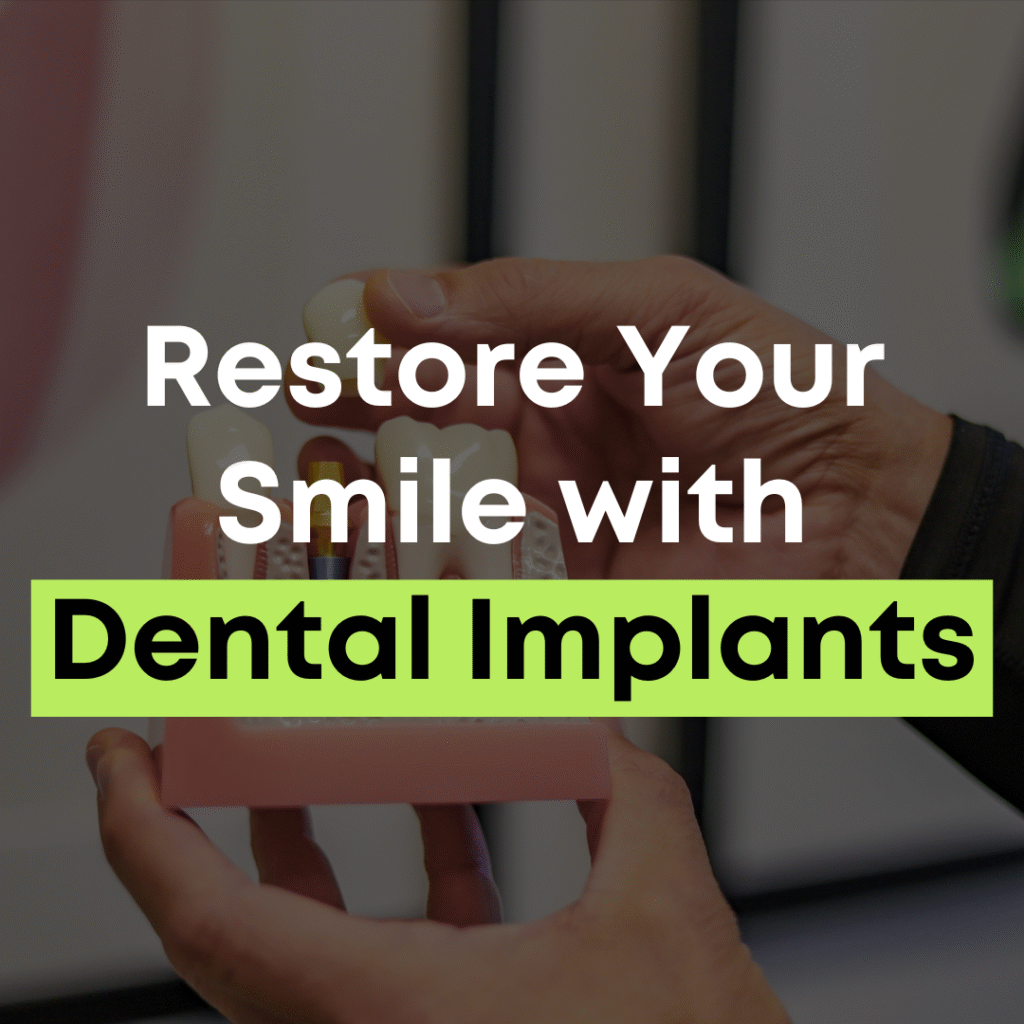
Restore Your Smile with Dental Implants Want to restore your smile? A healthy, beautiful smile is essential for confidence and overall well-being. If you’re missing one or more teeth, dental implants offer a permanent, natural-looking solution. At Modern Dental of Durham, we specialize in restoring smiles with high-quality dental implants that look, feel, and function like real teeth. What Are Dental Implants? Dental implants are artificial tooth roots made of biocompatible titanium, surgically placed into the jawbone to support a replacement tooth or bridge. Over time, the implant fuses with the bone, creating a strong and durable foundation for a crown, bridge, or denture. Benefits of Using Dental Implants to Restore Your Smile ✔ Natural Appearance – Implants mimic the look and feel of natural teeth. ✔ Durability – With proper care, implants can last a lifetime. ✔ Improved Oral Health – Unlike dentures, implants help preserve jawbone density and prevent bone loss. ✔ Better Functionality – Enjoy eating, speaking, and smiling with confidence. ✔ Convenience – No need for adhesives or nightly removal like traditional dentures. The Dental Implant Process Consultation & Evaluation – Our dental experts will assess your oral health and determine if implants are the right choice for you. Implant Placement – A small titanium post is surgically inserted into the jawbone. Healing & Osseointegration – Over a few months, the implant bonds with the bone. Crown Placement – A custom-made crown is attached to restore your smile’s appearance and function. Who Is a Good Candidate for Dental Implants? Most healthy adults with sufficient jawbone density and good oral hygiene are candidates for dental implants. If bone loss has occurred, a bone graft may be recommended to create a stable foundation for the implant. Why Choose Modern Dental of Durham to Restore Your Smile? At Modern Dental of Durham, we use the latest technology and advanced techniques to ensure precise placement, comfort, and long-lasting results. Our experienced team is dedicated to personalized care, helping you achieve the smile you deserve. Schedule Your Consultation and Restore Your Smile Today! Don’t let missing teeth hold you back. Schedule a consultation with Modern Dental of Durham today and take the first step toward a restored, confident smile. 📞 Call us at 919-544-3723 or visit https://www.moderndentalofdurham.com/dental-implants to learn more.
Crowns, Fillings, Bridges, and Implants
Types of Dental Treatments When it comes to dental treatments, the terminology can get confusing fast. You may have heard your dentist mention crowns, fillings, bridges, or implants, but what do all these actually mean, and how do you know which one is right for your situation? At Modern Dental of Durham, we believe in helping our patients make informed decisions about their oral health. Below is a simple breakdown of these four common dental treatments, what they’re used for, and how they differ. 1. Fillings: The First Line of Defense Best for: Small to moderate cavities or tooth decay. What they are: A filling is used to restore a tooth that has been damaged by decay. Your dentist will remove the decayed portion and “fill” the space with a material like composite resin (tooth-colored), amalgam (silver), or another dental-safe substance. Why you might need one:If you have a cavity that’s not too deep, a filling is usually the simplest and least invasive solution. 2. Crowns: Protection for Weakened Teeth Best for: Severely decayed, cracked, or weakened teeth. What they are:A dental crown is a tooth-shaped “cap” that covers the entire visible surface of a damaged tooth. Crowns restore shape, strength, and appearance, and are made from materials like porcelain, ceramic, or metal. Why you might need one:If a tooth is too damaged for a filling to hold, or after a root canal, a crown provides long-term protection and function. 3. Bridges: Replacing Missing Teeth Best for: One or more missing teeth in a row. What they are:A dental bridge is a fixed appliance that literally “bridges” the gap created by missing teeth. It uses crowns on the adjacent teeth (called abutment teeth) to hold a false tooth (or teeth) in place. Why you might need one:Bridges are a great solution when you’re missing a tooth but aren’t ready for or don’t qualify for an implant. 4. Implants: The Gold Standard for Tooth Replacement Best for: Permanent replacement of missing teeth. What they are:Dental implants are titanium posts surgically placed into the jawbone, acting like artificial tooth roots. Once healed, they are topped with a crown, creating a fully functional and natural-looking tooth. Why you might need one:Implants are durable, long-lasting, and feel most like real teeth. They also help prevent bone loss that can occur when teeth are missing for long periods. How to Know What Dental Treatments Are Right for You? Each option comes with unique benefits, and the right choice depends on your specific dental needs, overall oral health, and personal preferences. At Modern Dental of Durham, we take the time to walk you through every option and recommend the best path to restore your smile with comfort and confidence. Ready to Take the Next Step with Dental Treatments? If you think you might need a filling, crown, bridge, or implant, or any other type of dental treatments, we’re here to help. Request an appointment today and let’s get started on your journey to a healthier, happier smile.
The Truth About Cavities
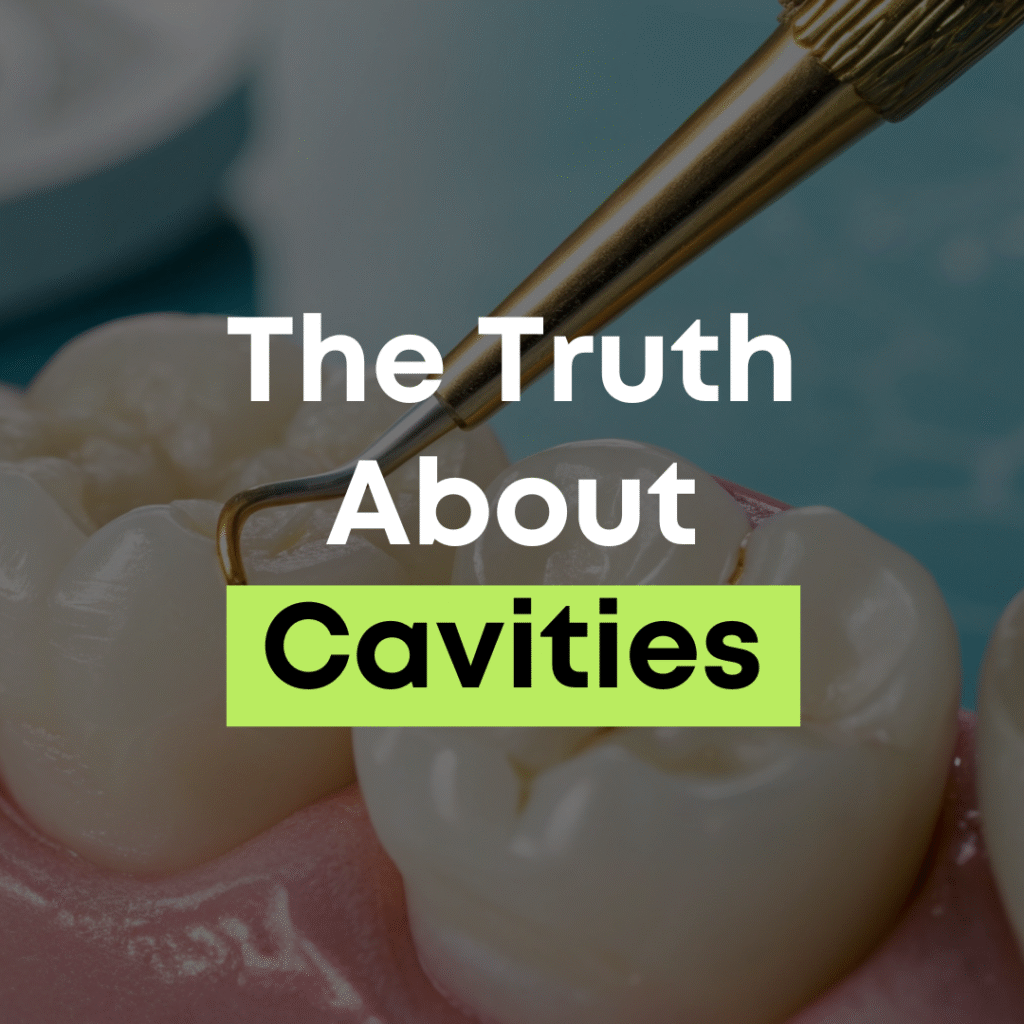
The Truth About Cavities: Causes, Myths & Prevention Tips Cavities. They’re one of the most common dental problems, yet also one of the most misunderstood. You may think cavities only come from eating too much candy or that you’ll always feel them if they’re forming. The truth is, cavities can be sneaky, preventable, and even reversible in their early stages, if you know the facts. At Modern Dental of Durham, we believe education is just as important as treatment. Let’s clear up some myths and give you practical tips to help keep your smile cavity-free. What are Cavities? A cavity is a hole or area of decay that forms in your tooth when plaque (a sticky film of bacteria) isn’t properly removed. The bacteria feed on sugars from your food and drinks, producing acids that wear away the tooth enamel. Over time, this leads to decay and eventually a cavity. If untreated, a cavity can grow larger, cause pain, and even lead to infection or tooth loss. Common Myths MYTH 1: Only Sugar Causes Cavities While sugar definitely contributes, it’s not the only culprit. Starchy foods (like chips or bread) also break down into sugars and feed bacteria. MYTH 2: You’ll Always Feel a Cavity Not true. Many cavities start painlessly. By the time you feel sensitivity or pain, the decay has likely reached deeper layers of your tooth. MYTH 3: Kids Get More Cavities Than Adults While children are certainly at risk, adults often develop cavities too, especially around old fillings, receding gums, or if dry mouth is an issue. MYTH 4: Brushing Alone Will Prevent Cavities Brushing helps, but it’s not enough. Flossing, limiting snacking, and regular dental cleanings are essential for full cavity prevention. Proven Ways to Prevent Cavities 1. Brush & Floss Consistently Brush twice a day with fluoride toothpaste and floss at least once daily. Don’t forget to clean along the gumline and between teeth where your brush can’t reach. 2. Drink Plenty of Water Water helps rinse away food particles and keeps saliva levels up. Saliva is your mouth’s natural defense against cavity-causing bacteria. 3. Limit Sugary Snacks & Drinks Sipping soda or snacking all day feeds cavity-causing bacteria. Try to eat at set times and choose tooth-friendly snacks like cheese, nuts, or fresh vegetables. 4. Use Fluoride Products Fluoride strengthens tooth enamel and helps reverse early signs of decay. Ask your dentist about fluoride rinses or in-office treatments if you’re at high risk. 5. Get Regular Dental Checkups Cavities caught early are easier and cheaper to treat. At Modern Dental of Durham, we use digital X-rays and thorough exams to detect even the smallest signs of trouble. Don’t Wait for the Pain Whether you’re due for a checkup or just want to improve your oral care routine, we’re here to help you stay ahead of cavities and keep your smile strong for life. Request an appointment today with Modern Dental of Durham, and take the next step toward a healthier, cavity-free smile.