The Link Between Oral Health and Overall Health
The Link Between Oral Health and Overall Health: Why Your Mouth Matters More Than You Think The link between oral health and overall health is stronger than you think. When most people think about dental care, they think about teeth, gums, and their smile. But oral health is closely connected to your overall health, and what happens in your mouth can impact your entire body. How oral health affects the rest of your body Your mouth is the gateway to your body. Bacteria from untreated oral conditions can enter the bloodstream and contribute to inflammation elsewhere. Research has shown links between poor dental health and several systemic conditions, including: Heart disease Diabetes Respiratory infections Pregnancy complications According to the Centers for Disease Control and Prevention (CDC), gum disease has been associated with chronic health conditions that affect millions of adults in the United States. The connection between gum disease and heart health Gum disease (periodontitis) causes chronic inflammation. That inflammation doesn’t stay confined to the mouth. Studies suggest: Dental bacteria can enter the bloodstream Inflammation may contribute to plaque buildup in arteries Patients with gum disease may have a higher risk of cardiovascular issues The American Heart Association notes that while gum disease doesn’t directly cause heart disease, the two share common risk factors, and maintaining oral health is an important part of overall wellness. Oral health and diabetes: a two-way relationship Diabetes and dental health are closely linked, and each can affect the other. Diabetes can make it harder to fight oral infections Gum disease can make blood sugar harder to control Untreated oral infections may worsen diabetic complications The National Institutes of Health (NIH) reports that managing gum health can help improve blood sugar control in patients with diabetes. How Oral health impacts pregnancy and immune health Hormonal changes during pregnancy can increase the risk of gum inflammation. If left untreated, oral infections may affect pregnancy outcomes. Good oral care can help: Reduce the risk of pregnancy-related gum disease Support immune system health Lower the chance of oral infections spreading Routine dental checkups are considered safe and beneficial during pregnancy when coordinated with your healthcare providers. Why preventive dental care matters Regular dental visits help detect issues early, before they impact more than just your teeth. Preventive care supports: Early detection of gum disease Reduced inflammation in the body Better long-term health outcomes At Modern Dental of Durham, exams and cleanings are designed to protect both your smile and your overall health. Simple ways to support oral health and overall health Healthy habits make a difference. Patients are encouraged to: Brush twice daily with fluoride toothpaste Floss once a day Maintain regular dental checkups Address gum bleeding or discomfort early Share medical history changes with your dentist Dental health is not separate from your body, it’s part of it. Take a proactive step toward better health Your dental health plays a bigger role in your overall wellness than you might realize. Preventive care today can help reduce health risks tomorrow. 👉 Schedule a dental checkup with Modern Dental of Durham today Our team is here to support your smile, and your health, every step of the way.
Crowns, Fillings, Bridges, and Implants
Types of Dental Treatments When it comes to dental treatments, the terminology can get confusing fast. You may have heard your dentist mention crowns, fillings, bridges, or implants, but what do all these actually mean, and how do you know which one is right for your situation? At Modern Dental of Durham, we believe in helping our patients make informed decisions about their oral health. Below is a simple breakdown of these four common dental treatments, what they’re used for, and how they differ. 1. Fillings: The First Line of Defense Best for: Small to moderate cavities or tooth decay. What they are: A filling is used to restore a tooth that has been damaged by decay. Your dentist will remove the decayed portion and “fill” the space with a material like composite resin (tooth-colored), amalgam (silver), or another dental-safe substance. Why you might need one:If you have a cavity that’s not too deep, a filling is usually the simplest and least invasive solution. 2. Crowns: Protection for Weakened Teeth Best for: Severely decayed, cracked, or weakened teeth. What they are:A dental crown is a tooth-shaped “cap” that covers the entire visible surface of a damaged tooth. Crowns restore shape, strength, and appearance, and are made from materials like porcelain, ceramic, or metal. Why you might need one:If a tooth is too damaged for a filling to hold, or after a root canal, a crown provides long-term protection and function. 3. Bridges: Replacing Missing Teeth Best for: One or more missing teeth in a row. What they are:A dental bridge is a fixed appliance that literally “bridges” the gap created by missing teeth. It uses crowns on the adjacent teeth (called abutment teeth) to hold a false tooth (or teeth) in place. Why you might need one:Bridges are a great solution when you’re missing a tooth but aren’t ready for or don’t qualify for an implant. 4. Implants: The Gold Standard for Tooth Replacement Best for: Permanent replacement of missing teeth. What they are:Dental implants are titanium posts surgically placed into the jawbone, acting like artificial tooth roots. Once healed, they are topped with a crown, creating a fully functional and natural-looking tooth. Why you might need one:Implants are durable, long-lasting, and feel most like real teeth. They also help prevent bone loss that can occur when teeth are missing for long periods. How to Know What Dental Treatments Are Right for You? Each option comes with unique benefits, and the right choice depends on your specific dental needs, overall oral health, and personal preferences. At Modern Dental of Durham, we take the time to walk you through every option and recommend the best path to restore your smile with comfort and confidence. Ready to Take the Next Step with Dental Treatments? If you think you might need a filling, crown, bridge, or implant, or any other type of dental treatments, we’re here to help. Request an appointment today and let’s get started on your journey to a healthier, happier smile.
The Truth About Cavities
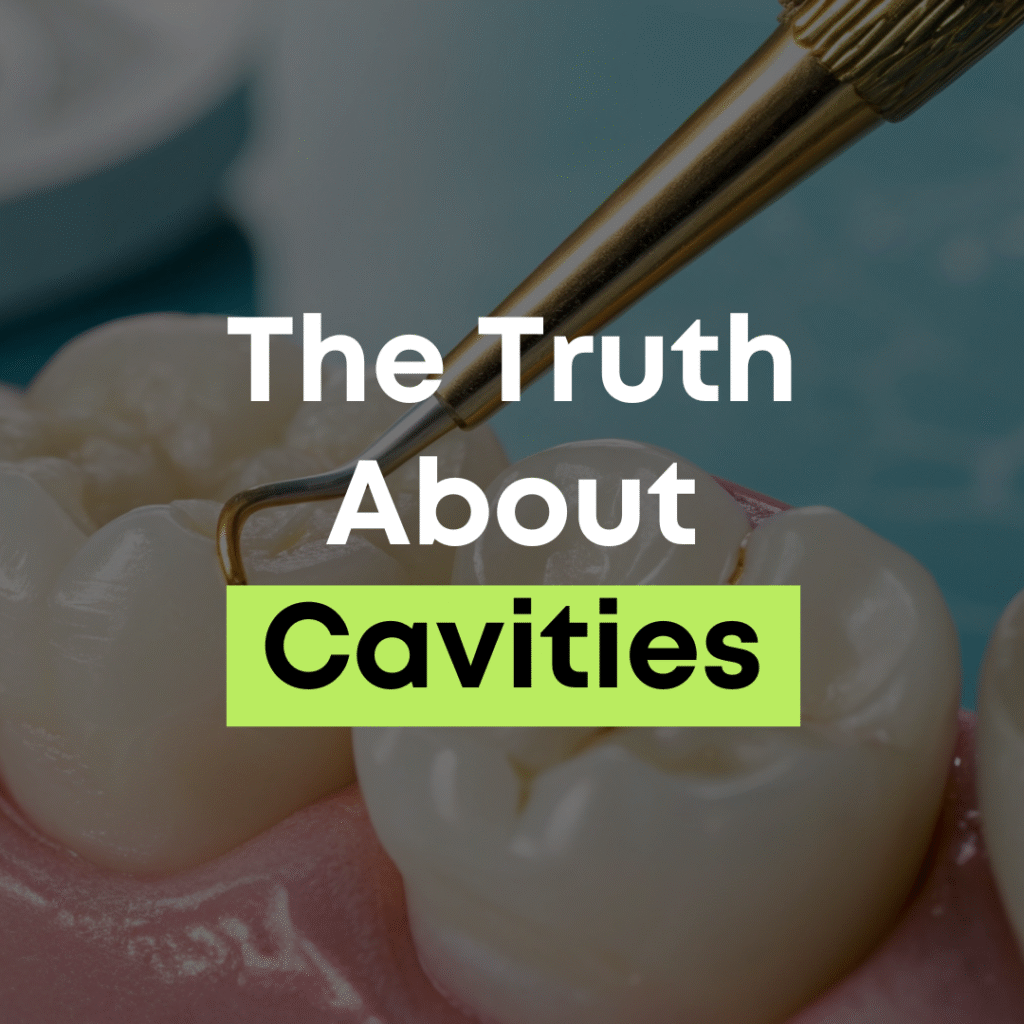
The Truth About Cavities: Causes, Myths & Prevention Tips Cavities. They’re one of the most common dental problems, yet also one of the most misunderstood. You may think cavities only come from eating too much candy or that you’ll always feel them if they’re forming. The truth is, cavities can be sneaky, preventable, and even reversible in their early stages, if you know the facts. At Modern Dental of Durham, we believe education is just as important as treatment. Let’s clear up some myths and give you practical tips to help keep your smile cavity-free. What are Cavities? A cavity is a hole or area of decay that forms in your tooth when plaque (a sticky film of bacteria) isn’t properly removed. The bacteria feed on sugars from your food and drinks, producing acids that wear away the tooth enamel. Over time, this leads to decay and eventually a cavity. If untreated, a cavity can grow larger, cause pain, and even lead to infection or tooth loss. Common Myths MYTH 1: Only Sugar Causes Cavities While sugar definitely contributes, it’s not the only culprit. Starchy foods (like chips or bread) also break down into sugars and feed bacteria. MYTH 2: You’ll Always Feel a Cavity Not true. Many cavities start painlessly. By the time you feel sensitivity or pain, the decay has likely reached deeper layers of your tooth. MYTH 3: Kids Get More Cavities Than Adults While children are certainly at risk, adults often develop cavities too, especially around old fillings, receding gums, or if dry mouth is an issue. MYTH 4: Brushing Alone Will Prevent Cavities Brushing helps, but it’s not enough. Flossing, limiting snacking, and regular dental cleanings are essential for full cavity prevention. Proven Ways to Prevent Cavities 1. Brush & Floss Consistently Brush twice a day with fluoride toothpaste and floss at least once daily. Don’t forget to clean along the gumline and between teeth where your brush can’t reach. 2. Drink Plenty of Water Water helps rinse away food particles and keeps saliva levels up. Saliva is your mouth’s natural defense against cavity-causing bacteria. 3. Limit Sugary Snacks & Drinks Sipping soda or snacking all day feeds cavity-causing bacteria. Try to eat at set times and choose tooth-friendly snacks like cheese, nuts, or fresh vegetables. 4. Use Fluoride Products Fluoride strengthens tooth enamel and helps reverse early signs of decay. Ask your dentist about fluoride rinses or in-office treatments if you’re at high risk. 5. Get Regular Dental Checkups Cavities caught early are easier and cheaper to treat. At Modern Dental of Durham, we use digital X-rays and thorough exams to detect even the smallest signs of trouble. Don’t Wait for the Pain Whether you’re due for a checkup or just want to improve your oral care routine, we’re here to help you stay ahead of cavities and keep your smile strong for life. Request an appointment today with Modern Dental of Durham, and take the next step toward a healthier, cavity-free smile.
What is Gum Disease?
What Is Gum Disease? Symptoms, Causes, Treatment & Prevention Gum disease, also known as periodontal disease, is one of the most common dental health issues among adults. Despite being widespread, it’s also highly preventable and treatable, especially when detected early. If you’ve noticed bleeding gums, persistent bad breath, or gum recession, you may be experiencing signs of periodontal disease. Here’s what you need to know to protect your smile. Image by: fightgumdisease.com What Is Gum Disease? Gum disease is an infection of the tissues surrounding and supporting your teeth. It starts as gingivitis, mild inflammation of the gums, and can progress to periodontitis, a more severe form that can lead to tooth loss if left untreated. What Causes Gum Disease? Periodontal disease is primarily caused by plaque, a sticky film of bacteria that forms on your teeth. When plaque is not removed through daily brushing and flossing, it hardens into tartar, leading to irritation and infection of the gums. Other common causes and risk factors include: Poor oral hygiene habits Smoking or tobacco use Hormonal changes (pregnancy, menopause) Certain illnesses (such as diabetes or cancer) Medications that reduce saliva flow Genetics Symptoms of Gum Disease Early detection is key. If you notice any of the following symptoms, it’s time to schedule a dental check-up: Red, swollen, or tender gums Bleeding when brushing or flossing Persistent bad breath (halitosis) Receding gums Loose or shifting teeth Pain when chewing A change in your bite or the way your teeth fit together How Is Gum Disease Treated? Treatment depends on the stage of the disease. The earlier it’s caught, the easier it is to treat. Common gum disease treatments include: Professional dental cleanings – Remove plaque and tartar buildup Scaling and root planing – A deep cleaning procedure that cleans below the gumline Antibiotic therapy – Topical or oral antibiotics to eliminate bacteria Surgical treatments – For advanced cases, procedures like flap surgery or bone grafts may be necessary Learn more about treatment options from the American Dental Association. How to Prevent Gum Disease The best way to fight periodontal disease is to stop it before it starts. Here’s how: Brush your teeth twice a day with fluoride toothpaste Floss daily to remove plaque between teeth Use an antibacterial mouthwash Avoid smoking and tobacco products Eat a healthy diet low in sugar Visit your dentist twice a year for professional cleanings and checkups For more prevention tips, check out this helpful guide from the Centers for Disease Control and Prevention (CDC). Don’t Ignore the Signs. Protect Your Smile Today At Modern Dental of Durham, we’re here to help you maintain a healthy, confident smile. If you’re experiencing symptoms of periodontal disease or just want to stay ahead of your oral health, don’t wait. 📞 Call us today at 919-544-3723 💻 Or request an appointment online at moderndentalofdurham.com/request-an-appointment
What’s in Your Toothpaste? Natural vs. Fluoride
What’s in Your Toothpaste? Natural vs. Fluoride Toothpaste Overwhelmed by all the toothpaste options out there? From “all-natural” pastes with coconut oil and charcoal to fluoride toothpaste promising cavity protection, it’s hard to know what’s actually best for your smile. The Rise of Natural Toothpastes With growing interest in clean living and chemical-free products, natural toothpaste brands have surged in popularity. These formulas often boast ingredients like: Baking soda Essential oils (peppermint, tea tree) Activated charcoal Coconut oil Xylitol (a natural sweetener that may reduce cavity-causing bacteria) Pros: Gentle on sensitive mouths Fewer synthetic ingredients Eco-friendly packaging in many cases Cons: Often lack fluoride Some abrasive ingredients (like charcoal) may harm enamel over time Limited clinical testing What Is Fluoride Toothpaste And Why Is It Controversial? Fluoride is a naturally occurring mineral that strengthens enamel and helps prevent tooth decay. It’s been added to toothpaste and public water supplies for decades and is widely recommended by dental associations worldwide. Yet, some people worry about fluoride exposure due to: Concerns about overuse (especially in children) Misinformation about toxicity Preference for “natural” products Fact check: According to the American Dental Association, fluoride toothpaste is safe and effective when used as directed. In fact, the CDC named water fluoridation one of the top public health achievements of the 20th century. What the Science Says About Fluoride Toothpaste A 2023 review in the Cochrane Database of Systematic Reviews found that fluoride toothpaste significantly reduces cavities in both children and adults compared to non-fluoride options. While natural ingredients like xylitol or baking soda may offer some benefits, they are not proven substitutes for fluoride’s cavity-fighting power. What We Recommend at Modern Dental of Durham We understand that every patient has different values, preferences, and health needs. Our team is happy to work with you to find the best solution for your smile. Here’s our general guidance: For most people: A fluoride toothpaste is your best bet for long-term oral health. For those with fluoride concerns: Choose a reputable natural toothpaste with xylitol and avoid overly abrasive ingredients like charcoal. For kids: Use a fluoride toothpaste in small amounts (pea-sized or smaller) and supervise brushing. What Happens If You Skip Fluoride Toothpaste? While fluoride isn’t the only factor in dental health, removing it from your routine without replacing it with a proven alternative can leave your teeth more vulnerable to: Cavities Enamel erosion Higher dental costs in the long run Skipping fluoride without a dental professional’s input could mean more fillings, or worse, down the road. Let’s Talk About Your Toothpaste Confused about what’s in your toothpaste? Wondering if you’re using the right one for your needs? 👉 Schedule a consultation with Modern Dental of Durham today, and let our friendly, expert team guide you toward the healthiest smile possible. Because informed choices = confident smiles.